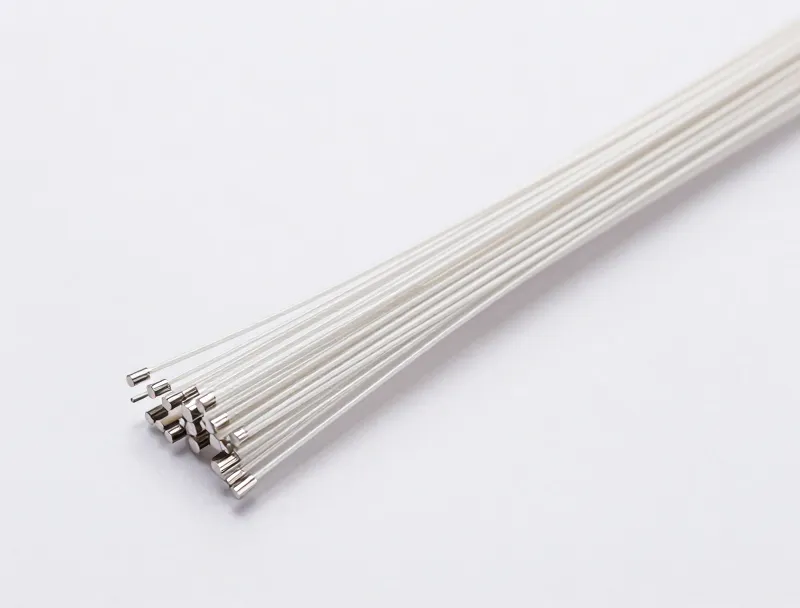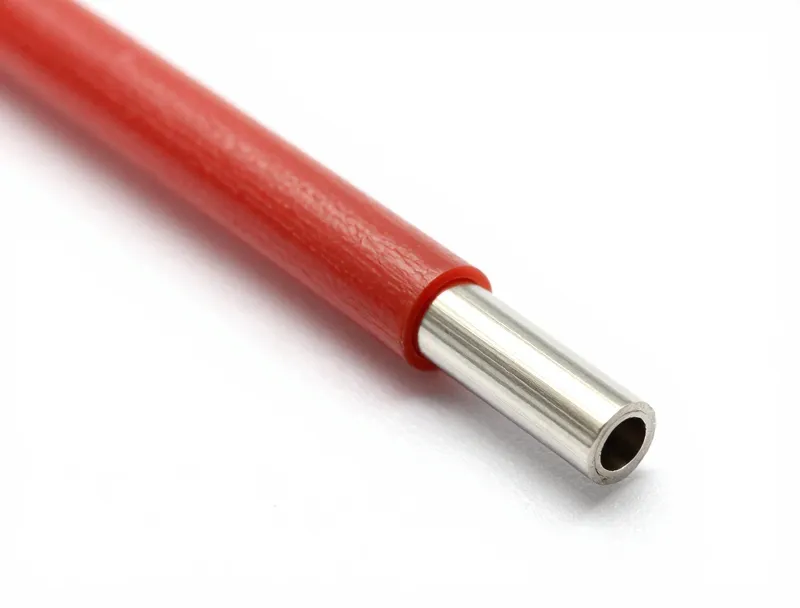
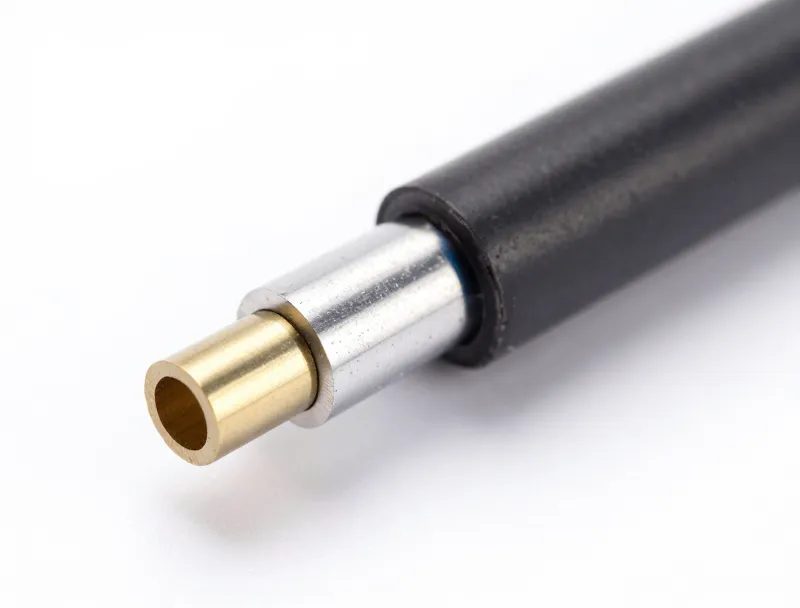
Comprehensive review of tight-buffered plastic optical fiber. Explore the world of tight-buffered plastic optical fibers, their construction, advantages, applications, and future trends in modern telecommunication.
Tight-Buffered Plastic Optical Fiber: A Comprehensive Guide
Introduction
Tight-buffered plastic optical fiber (POF) is a revolutionary technology that has significantly impacted the field of optical communication. This article delves into the intricacies of tight-buffered POF, exploring its structure, benefits, applications, and future prospects.
What is Tight-Buffered Plastic Optical Fiber?
Tight-buffered plastic optical fiber, often abbreviated as TPBF, is a type of optical fiber where the core is made of plastic instead of glass. Unlike traditional glass fibers that are loosely buffered, tight-buffered POF wraps the fiber tightly with a protective jacket, enhancing durability and flexibility.
Construction and Components
The construction of tight-buffered plastic optical fiber involves several key components:
1. Core: Typically made from polymethyl methacrylate (PMMA), the core is where light propagation occurs.
2. Cladding: Surrounds the core to facilitate total internal reflection, ensuring efficient light transmission.
3. Buffer Layer: A tight layer that protects the fiber from environmental factors and mechanical stress.
4. Jacket: The outermost protective layer made of durable materials like PVC or nylon, providing resistance to abrasion and moisture.
Technical Parameters
The performance of TPBF is determined by several technical parameters:
– Attenuation (dB/km): Typically ranges between 50 dB/km to 100 dB/km at wavelengths of 650 nm to 850 nm.
– Bandwidth (MHz·km): Usually in the range of 50 MHz·km to 200 MHz·km, making it suitable for high-speed data transmission.
– Diameter: The core diameter is larger than glass fibers, often ranging from 50 µm to 1 mm, which simplifies connectorization and splicing.
Advantages of Tight-Buffered Plastic Optical Fiber
Tight-buffered plastic optical fiber offers several advantages over traditional glass fibers:
1. Cost-Effective: Lower production costs due to the use of plastic materials.
2. Flexibility: The tight buffer allows for greater flexibility, making it ideal for applications requiring frequent movement or bending.
3. Ease of Installation: Simpler and quicker installation processes compared to glass fiber optics.
4. Durability: Enhanced protection against environmental factors and mechanical stress due to the robust buffer layer.
Applications of Tight-Buffered Plastic Optical Fiber
Tight-buffered plastic optical fibers find applications in a variety of fields:
1. Telecommunications: Used for short-distance communication within buildings or campuses.
2. Automotive Industry: Employed in vehicle networking systems (e.g., CAN bus) for data transmission between components.
3. Medical Equipment: Utilized in endoscopes and other medical devices requiring high-quality imaging.
4. Military and Aerospace: Applied in harsh environments where durability and reliability are critical.
5. Industrial Automation: Used for data and control signals in industrial settings.
Challenges and Limitations
Despite its advantages, tight-buffered plastic optical fiber has certain limitations:
1. Limited Transmission Distance: Higher attenuation compared to glass fibers restricts transmission distances to a few kilometers.
2. Lower Bandwidth Capacity: While sufficient for many applications, the bandwidth is lower than that of glass fibers, limiting high-speed data transmission over longer distances.
3. Temperature Sensitivity: The plastic core may degrade under extreme temperatures, affecting performance and longevity.
Future Trends and Innovations
The future of tight-buffered plastic optical fiber looks promising with ongoing advancements:
1. Improved Materials: Development of advanced polymers to enhance durability and reduce attenuation.
2. Increased Bandwidth: Research into multi-mode POF to expand bandwidth capabilities for higher data rates.
3. Miniaturization: Innovations in manufacturing techniques to produce smaller, more flexible fibers without compromising performance.
4. Integration with IoT: Use of TPBF in Internet of Things (IoT) applications for efficient and reliable data communication.
Conclusion
Tight-buffered plastic optical fiber has carved a niche in various industries due to its unique advantages. As technology continues to evolve, TPBF is expected to play an even more significant role in the field of optical communication. Its cost-effectiveness, flexibility, and ease of use make it an ideal choice for numerous applications, ensuring continued growth and innovation in this sector.