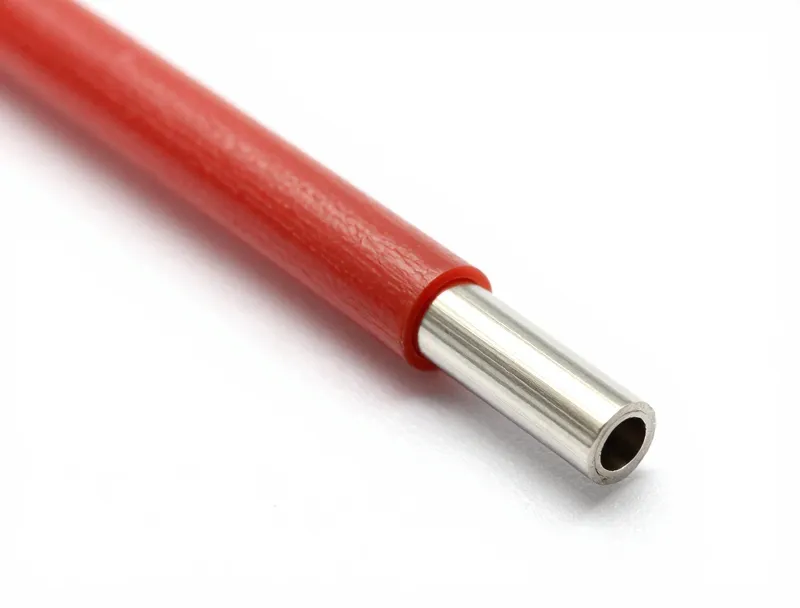
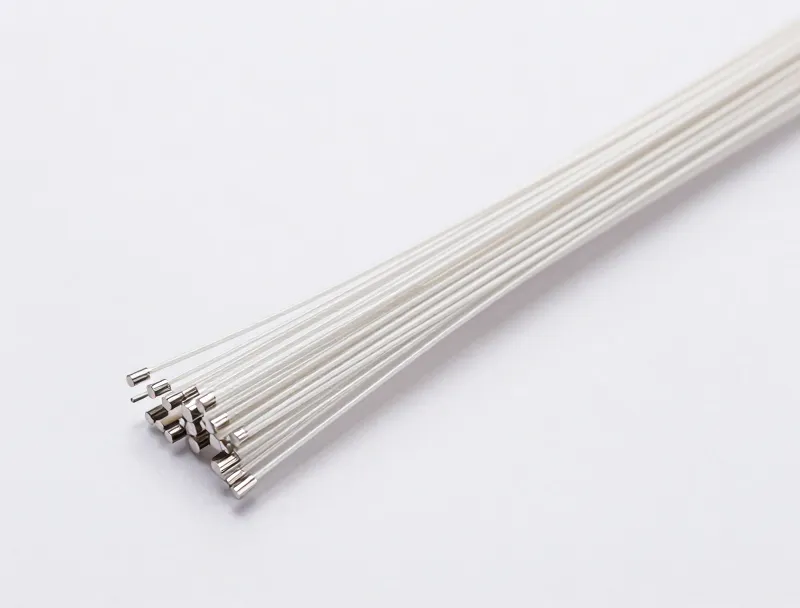
Comprehensive review of optical fiber. Explore the world of 0.3mm micro plastic optical fibers, their applications, advantages, and technical specifications in modern telecommunications.
Introduction
Optical fibers have revolutionized the way we communicate and transmit data across the globe. Among these, the 0.3mm micro plastic optical fiber stands out as a lightweight, efficient solution for various applications. In this article, we delve into its features, benefits, technical specifications, and real-world uses.
What is a 0.3mm Micro Plastic Optical Fiber?
A 0.3mm micro plastic optical fiber is an ultra-thin fiber designed to transmit light signals over long distances with minimal loss. Its small diameter makes it ideal for applications where space is limited or lightweight construction is required.
Technical Specifications
The 0.3mm micro plastic optical fiber boasts several key technical parameters:
– Core Diameter: 0.3mm (200μm)
– Cladding Diameter: 0.6mm (600μm)
– Outer Diameter: 1.0mm
– Numerical Aperture (NA): 0.47
– Attenuation: <50 dB/km at 850nm
- Operating Wavelength: 850nm
– Temperature Range: -20°C to +60°C
– Flexibility: Excellent, with a bend radius of 15mm
Applications
The versatility of the 0.3mm micro plastic optical fiber makes it suitable for a wide range of applications:
1. Telecommunications: Used in local area networks (LANs) and data centers for high-speed data transmission.
2. Industrial Automation: Ideal for connecting sensors and control systems in manufacturing environments.
3. Medical Devices: Employed in endoscopes and other medical imaging equipment due to its flexibility and durability.
4. Aerospace: Utilized in aircraft wiring for lightweight, reliable communication systems.
5. Military Applications: Provides secure, high-speed data transmission in defense systems.
Advantages
– High Bandwidth: Supports fast data transfer rates.
– Low Attenuation: Minimal signal loss over long distances.
– Lightweight and Flexible: Easy to install and maneuver in tight spaces.
– Cost-Effective: Offers a budget-friendly solution without compromising on performance.
Challenges and Limitations
While the 0.3mm micro plastic optical fiber offers numerous benefits, it also has some limitations:
– Limited Distance: Best suited for short to medium distance applications.
– Susceptibility to Environmental Factors: Sensitive to temperature changes and physical stress.
– Alignment Sensitivity: Requires precise alignment during installation to ensure optimal performance.
Installation and Maintenance
Proper installation and maintenance are crucial for maximizing the performance of 0.3mm micro plastic optical fibers:
– Installation: Use dedicated tools for stripping, cleaving, and splicing. Ensure clean connections to minimize signal loss.
– Maintenance: Regularly inspect for physical damage or contamination. Clean connectors with isopropyl alcohol if necessary.
Conclusion
The 0.3mm micro plastic optical fiber is a versatile and efficient solution for modern communication needs. Its combination of high performance, flexibility, and affordability makes it an excellent choice across various industries. As technology continues to evolve, these fibers will undoubtedly play a pivotal role in shaping the future of data transmission.