Comprehensive review of Production Line. Explore how Production Line Guiding POF enhances manufacturing efficiency. Learn about its components, benefits, and technical specifications.
What is Production Line Guiding POF?
Production Line Guiding POF (PLG-POF) stands for Production Line Guiding with Plastic Optical Fiber technology. It is an advanced system designed to optimize production lines by enabling precise communication between machines and control systems. This technology plays a crucial role in modern manufacturing, ensuring seamless data transmission that supports efficient operations.
Components of PLG-POF Systems
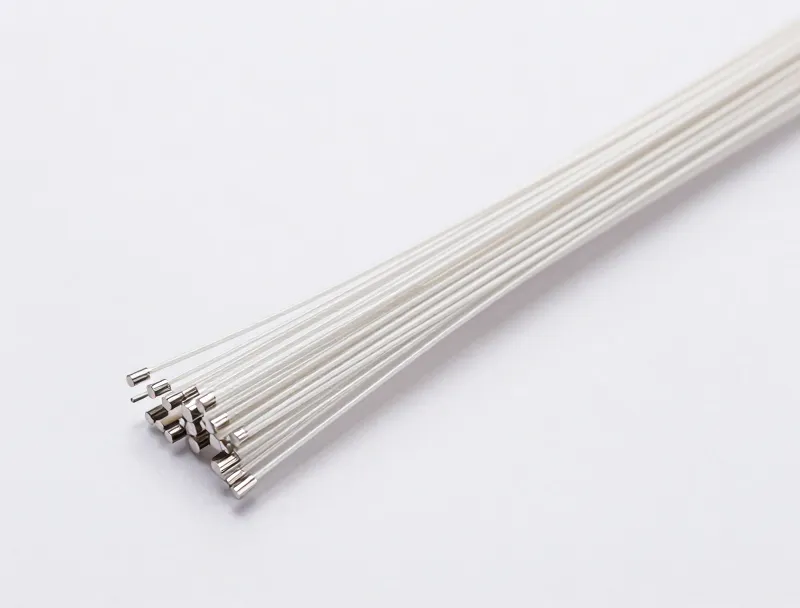
1. Optical Fibers: These are the backbone of the system, transmitting data at high speeds with minimal loss. The fibers used are made from plastic, making them more durable and cost-effective compared to traditional glass fibers.
2. Connectors: High-quality connectors ensure reliable connections between different parts of the optical network. Proper installation is critical for maintaining signal integrity.
3. Repeaters/Amplifiers: These devices boost the signal strength over long distances, ensuring data remains clear and accurate throughout the production line.
4. Controllers: Centralized controllers manage the entire system, processing data from various machines and coordinating their operations to maximize efficiency.
5. Sensors and Actuators: Integrated sensors detect machine statuses and environmental conditions, while actuators execute commands based on the received data.
Technical Parameters of PLG-POF
Understanding the technical specifications is essential for selecting the right system for your production needs:
– Bandwidth: Typically ranges from 10 MHz to several GHz, ensuring fast data transmission speeds suitable for real-time monitoring and control.
– Attenuation: Low attenuation levels (usually less than 5 dB per kilometer) ensure minimal signal loss over long distances.
– Fiber Diameter: Usually between 0.5 mm to 2 mm, providing flexibility in routing while maintaining durability.
– Connector Types: SC, FC, ST, and LC connectors are commonly used, each offering different advantages depending on the application.
– Temperature Range: Most systems operate effectively from -40°C to +85°C, making them suitable for various industrial environments.
Benefits of Implementing PLG-POF Systems
1. Enhanced Communication: Real-time data transmission ensures that all machines and control systems are in sync, reducing downtime and errors.
2. Increased Efficiency: By optimizing machine coordination, production lines can achieve higher throughput and better resource utilization.
3. Improved Reliability: Optical fibers offer immunity to electromagnetic interference (EMI), ensuring stable communication even in harsh industrial settings.
4. Cost-Effectiveness: The use of plastic fibers reduces the overall cost compared to glass fiber systems while maintaining high performance.
5. Scalability: PLG-POF systems can easily be scaled up or modified to accommodate changes in production demands.
Challenges and Considerations
While PLG-POF offers numerous benefits, there are challenges to consider:
1. Installation Complexity: Proper installation requires skilled technicians to ensure optimal performance and minimize signal loss.
2. Environmental Factors: Extreme temperatures or harsh conditions can affect fiber performance, so selecting the right type of fiber is crucial.
3. Compatibility: Ensuring that all components are compatible with each other is essential for smooth operation.
4. Maintenance Requirements: Regular maintenance is needed to keep the system functioning at peak efficiency, including cleaning connectors and checking for wear and tear.
Applications in Manufacturing
PLG-POF systems find applications across various manufacturing sectors:
1. Automotive Industry: Used for coordinating assembly lines and monitoring machine performance in automotive production facilities.
2. Electronics Manufacturing: Enables precise communication between automated components in high-speed electronics assembly lines.
3. Food and Beverage Production: Helps in managing conveyors, packaging machines, and quality control systems efficiently.
4. Pharmaceuticals: Ensures accurate data transmission for automation in drug production and packaging processes.
5. Textile Industry: Facilitates communication between spinning, weaving, and cutting machines to streamline operations.
Conclusion
Production Line Guiding POF is a transformative technology that enhances manufacturing efficiency by enabling seamless communication across production lines. With its high-speed data transmission, resistance to interference, and cost-effectiveness, PLG-POF offers numerous benefits for industries seeking to optimize their production processes. However, careful planning, proper installation, and regular maintenance are essential to maximize the system’s potential.
References
For further reading:
– [Understanding Optical Fiber Types](https://example.com)
– [PLG-POF System Installation Guide](https://example.com)
– [Case Studies in Manufacturing Automation](https://example.com)