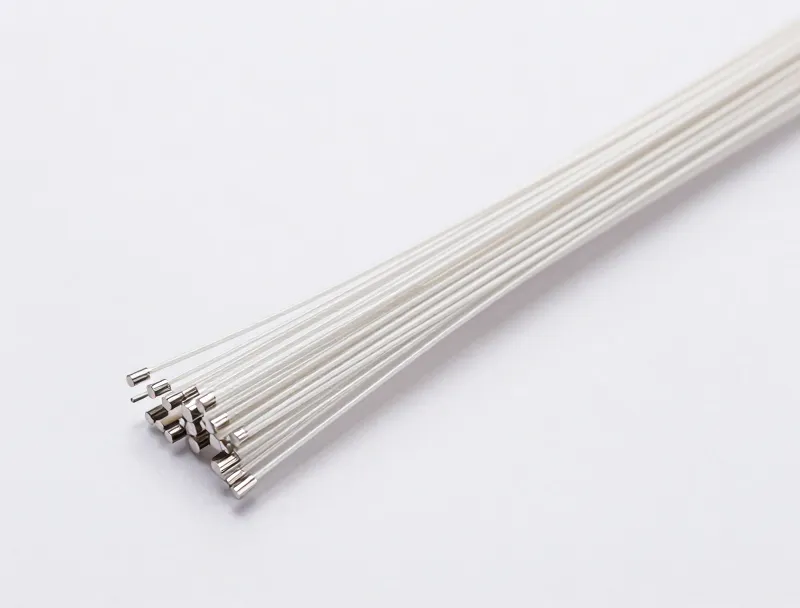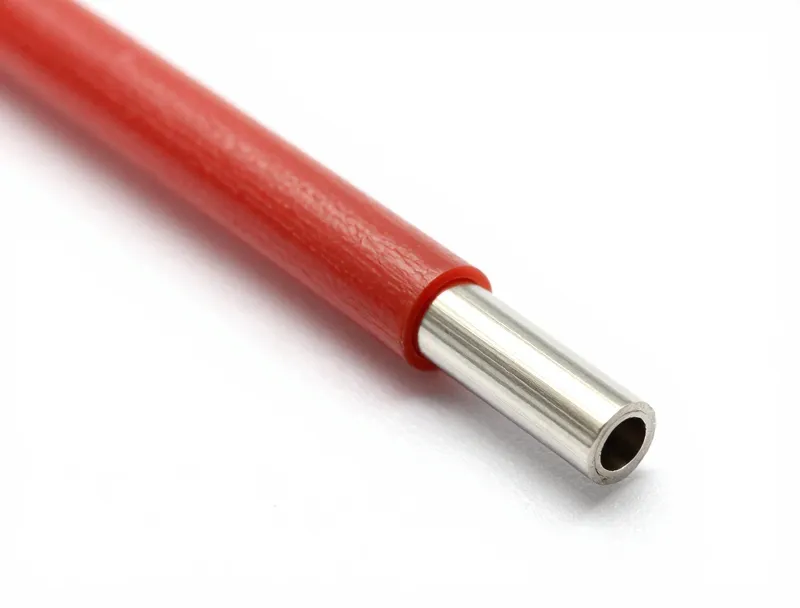
Comprehensive review of POF. Explore the applications, benefits, and technical specifications of 4.0mm multi-core POF in modern telecommunications.
Introduction
Plastic Optical Fibers (POF) have become an essential component in various technological applications due to their unique properties and cost-effectiveness compared to traditional glass-based optical fibers. Among these, the 4.0mm Multi-Core POF stands out as a groundbreaking solution for high-speed data transmission, offering enhanced performance and versatility. This article delves into the intricacies of 4.0mm multi-core POF, its technical specifications, applications, and the benefits it brings to modern telecommunications.
Technical Specifications
The 4.0mm Multi-Core POF is designed with precision engineering to meet the demands of high-speed data transmission. Here are some key technical parameters:
– Outer Diameter (OD): 4.0mm
– Core Count: Typically, this type of POF features multiple cores, ranging from 2 to 64, depending on the application requirements.
– Cladding Material: Usually made from high-quality plastic polymers such as PMMA (Polymethyl Methacrylate) or similar materials that ensure efficient light propagation and minimal signal loss.
– Numerical Aperture (NA): Typically ranges between 0.4 to 0.5, which is higher than traditional single-core POFs, allowing for a broader acceptance angle and easier coupling of light sources.
– Attenuation: The attenuation of multi-core POF is generally lower compared to its single-core counterparts, supporting longer transmission distances with minimal signal degradation.
– Temperature Range: Designed to operate within a wide temperature range (-40°C to 85°C), making it suitable for diverse environmental conditions.
Applications of 4.0mm Multi-Core POF
The versatility of 4.0mm multi-core POF makes it applicable in numerous fields:
1. Telecommunications: Ideal for high-speed data transmission in local area networks (LANs) and metropolitan area networks (MANs), offering reliable connectivity with reduced latency.
2. Industrial Automation: Used in industrial settings for connecting sensors, control systems, and automation machinery, ensuring robust communication under harsh conditions.
3. Automotive Industry: Employed in vehicle networking systems to enable fast and secure data transfer between different components of a car, enhancing infotainment systems and safety features.
4. Medical Equipment: Found in medical devices for transmitting critical patient data with high precision and reliability.
5. Avionics: Utilized in aircraft communication systems to provide reliable data transmission under extreme conditions, ensuring safe and efficient operation.
Benefits of 4.0mm Multi-Core POF
The adoption of 4.0mm multi-core POF offers several advantages over traditional optical fibers:
1. High Data Capacity: The multiple cores allow for simultaneous transmission of data across different channels, significantly increasing the overall bandwidth and data throughput.
2. Cost-Effective: Despite offering superior performance, multi-core POFs are more cost-effective than their glass-based counterparts, making them accessible for a wide range of applications.
3. Ease of Installation: The plastic material used in POFs is easier to handle and install compared to fragile glass fibers, reducing the risk of breakage during installation or maintenance.
4. Reduced Signal Loss: Advanced cladding materials and multi-core design minimize signal attenuation, ensuring high-quality data transmission over longer distances without the need for frequent repeaters.
5. Flexibility: The flexibility of 4.0mm multi-core POF allows it to be routed through tight spaces and complex pathways without compromising performance or durability.
Challenges and Considerations
While 4.0mm multi-core POF offers numerous benefits, there are challenges to consider:
1. Signal Crosstalk: The presence of multiple cores can lead to crosstalk between adjacent fibers, potentially affecting signal integrity. Proper design and shielding can mitigate this issue.
2. Heat Sensitivity: Although designed for a wide temperature range, prolonged exposure to extreme heat can affect the fiber’s performance over time.
3. Connectorization: Ensuring proper alignment of multiple cores during connectorization requires precise manufacturing techniques to prevent signal loss or misalignment.
Future Outlook
The development and adoption of 4.0mm multi-core POF are expected to grow significantly as demand for high-speed, reliable data transmission increases across various industries. Innovations in manufacturing processes and materials will further enhance the performance and applicability of these fibers, making them an integral part of future communication systems.
Conclusion
The 4.0mm Multi-Core Plastic Optical Fiber represents a remarkable advancement in optical fiber technology, offering enhanced performance, versatility, and cost-effectiveness. With its ability to support high-speed data transmission across multiple cores, this innovative solution is poised to play a critical role in modern telecommunications and beyond.