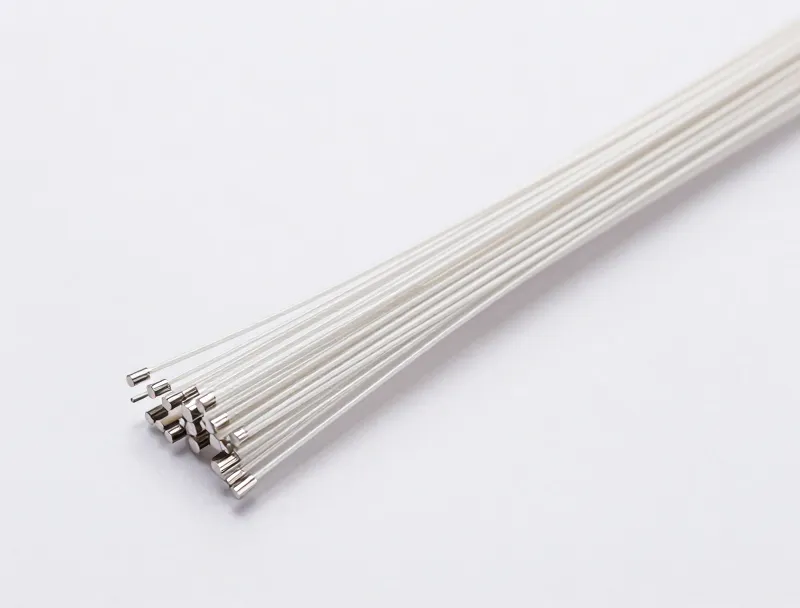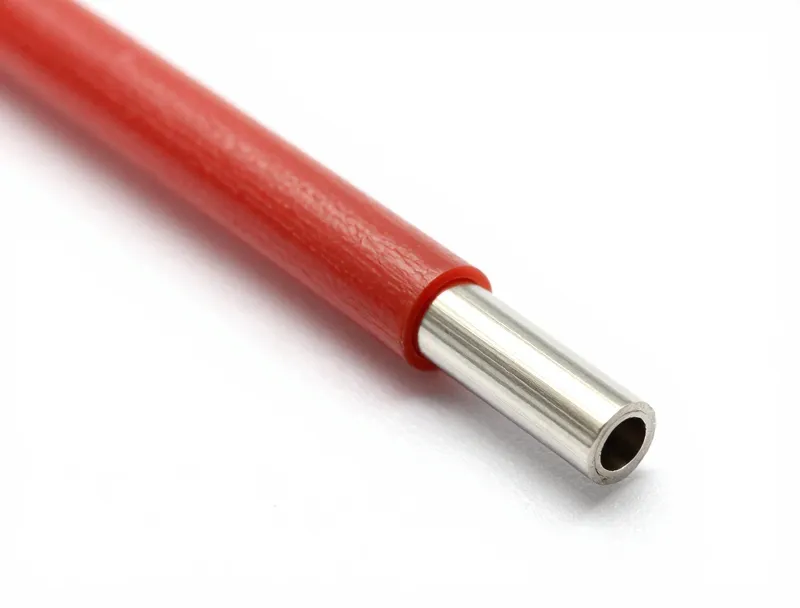
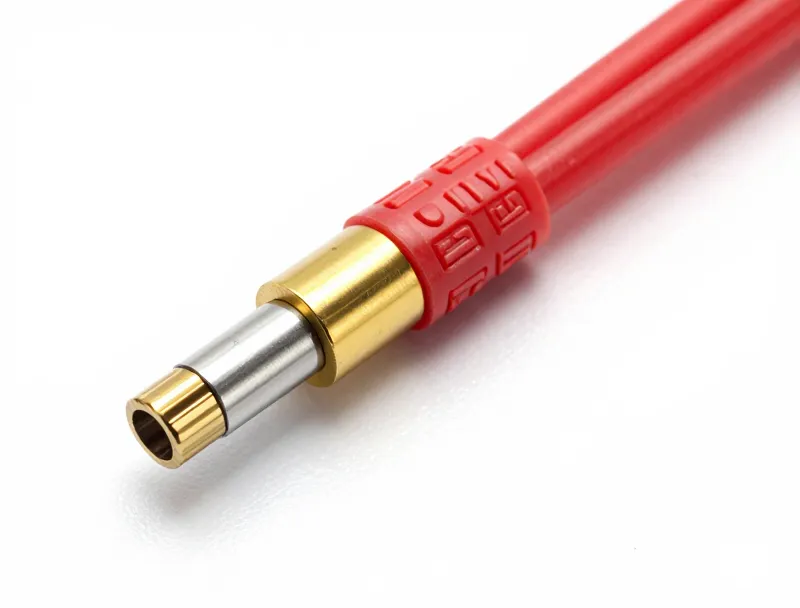
Comprehensive review of plastic optical fiber. Explore the 2.2mm Jacket Plastic Optical Fiber, its applications, advantages, technical specifications, and industry standards.
Introduction
Plastic Optical Fiber (POF), also known as Polymer Optical Fiber, is a versatile solution for various optical communication needs. The 2.2mm jacketed POF stands out due to its compact size, durability, and flexibility. This guide delves into its features, applications, and technical specifications.
What is 2.2mm Jacket Plastic Optical Fiber?
Plastic Optical Fiber (POF) uses plastic as the core material for transmitting light signals. The 2.2mm jacket refers to the outer protective layer surrounding the fiber. This size offers a balance between flexibility and durability, making it ideal for numerous applications.
Technical Specifications
– Core Diameter: Typically 0.5 mm or 1 mm
– Cladding Diameter: Approximately 0.6 mm or 1.2 mm
– Jacket Thickness: 0.6 mm to 0.8 mm, resulting in a total diameter of 2.2 mm
– Attenuation: Higher than glass fibers but sufficient for short-distance applications
– Operating Wavelengths: Usually in the visible spectrum (e.g., 650 nm red light)
– Tensile Strength: High resistance to breaking under tension
– Flexibility: Bend radius as low as 25 mm, allowing easy installation in tight spaces
Applications of 2.2mm POF
1. Automotive Industry: Used for data and lighting systems within vehicles.
2. Medical Equipment: Ideal for endoscopes and surgical instruments due to flexibility and durability.
3. Consumer Electronics: Applied in devices like televisions, game consoles, and home theater systems for high-speed data transmission.
4. Industrial Automation: Employed in sensor networks and control systems for reliable communication.
5. Building Automation: Utilized in lighting controls, security systems, and smart home applications.
Advantages of 2.2mm Jacket POF
– Cost-Effective: Lower production costs compared to glass fibers.
– Ease of Installation: Flexible and lightweight, reducing labor costs.
– Durability: Resistant to harsh environments and temperature fluctuations.
– Versatility: Suitable for a wide range of applications across industries.
– Signal Quality: Despite higher attenuation, it provides sufficient signal quality for short-distance communication.
Limitations
While 2.2mm POF offers numerous benefits, it does have limitations:
– Higher Attenuation: Compared to glass fibers, leading to shorter transmission distances.
– Bandwidth Constraints: Limited bandwidth compared to other optical fiber types.
– Temperature Sensitivity: Some materials may degrade at extreme temperatures.
Industry Standards and Certifications
The 2.2mm Jacket POF must comply with standards such as:
– IEC 60794-2-10: Specifies requirements for POF cables.
– ISO/IEC 11801: Covers general cabling systems including optical fibers.
Installation and Maintenance
Proper installation involves careful handling to avoid kinking or damaging the jacket. Regular maintenance includes inspecting for physical damage and ensuring connectors are secure.
Conclusion
The 2.2mm Jacket Plastic Optical Fiber is a cost-effective, versatile solution for short-distance communication needs. Its flexibility, durability, and ease of use make it an excellent choice across multiple industries. Understanding its technical specifications and applications can help in making informed decisions for various projects.