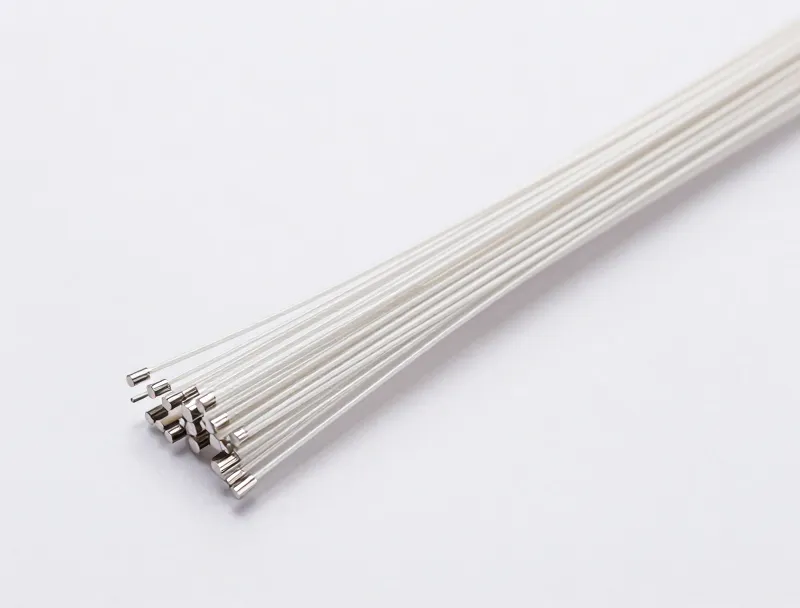
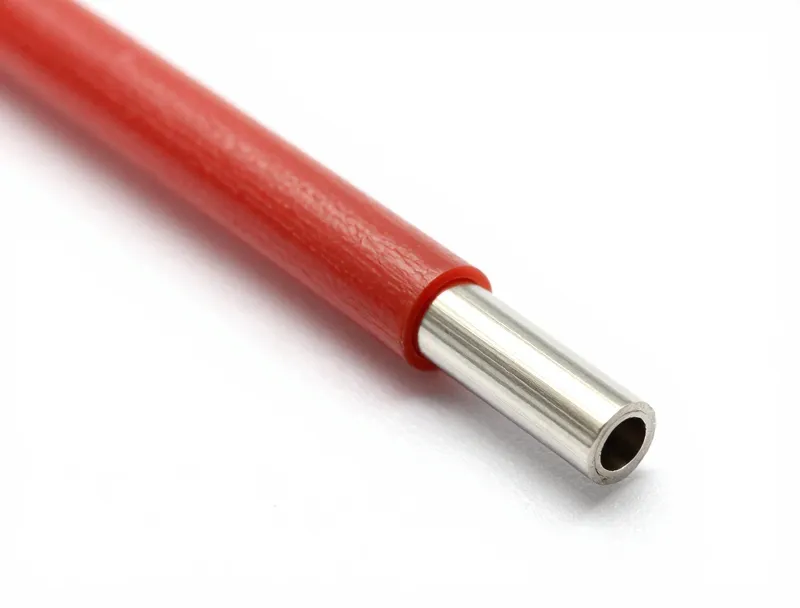
Comprehensive review of plastic optical fiber. Discover everything about 0.75mm core plastic optical fiber, its applications, advantages, and technical specifications in this detailed guide.
Introduction
Plastic Optical Fiber (POF) has become an essential component in modern telecommunications and data transmission systems. Among the various types of POF available, the 0.75mm core size stands out for its unique properties and widespread applications. This article delves into the technical aspects, advantages, and practical uses of 0.75mm core plastic optical fiber.
Technical Specifications
The 0.75mm core plastic optical fiber is characterized by several key parameters that define its performance:
– Core Diameter: 0.75mm (nominal)
– Cladding Diameter: Typically ranges from 1.0mm to 2.0mm, depending on the specific application
– Numerical Aperture (NA): Usually around 0.5, which is relatively high for POF and allows for a wider acceptance angle
– Attenuation: Approximately 10-30 dB/km at visible wavelengths, making it suitable for short-distance applications
– Fiber Material: Typically made of polymethyl methacrylate (PMMA) or similar plastics that are cost-effective and durable
Advantages of 0.75mm Core POF
Cost-Effective Solution
One of the primary advantages of 0.75mm core POF is its affordability compared to traditional glass optical fibers. The production process for plastic fibers is less complex, leading to lower costs without compromising on performance for short-distance applications.
Easy Handling and Installation
The larger core size (compared to single-mode or multi-mode glass fibers) makes it easier to couple light sources and receivers. This feature simplifies installation processes, especially in environments where skilled technicians may not be readily available.
Versatile Applications
0.75mm POF is ideal for a wide range of applications, including:
– Automotive Networking: Used in vehicle data networks for reliable and efficient communication between different subsystems.
– Building Automation: Employed in smart building systems for connecting sensors, actuators, and control units.
– Medical Equipment: Utilized in medical devices where flexibility, durability, and reliability are critical.
– Consumer Electronics: Found in devices like high-speed data transfer cables and multimedia applications.
Applications in Detail
Automotive Industry
In the automotive sector, 0.75mm POF is used for:
1. CAN Bus Communication: Enabling fast and reliable data transmission between control units.
2. Sensor Networks: Connecting various sensors (e.g., temperature, pressure) to central processing units.
3. Infotainment Systems: Supporting high-quality audio/video data transfer within the vehicle.
Building Automation
Within building automation systems, 0.75mm POF is employed for:
1. Lighting Control: Managing and controlling LED lighting systems efficiently.
2. Security Systems: Transmitting video signals from surveillance cameras to control centers.
3. HVAC Systems: Monitoring and regulating heating, ventilation, and air conditioning units through data transmission.
Medical Field
In medical applications, the 0.75mm POF is utilized for:
1. Endoscopic Imaging: Delivering high-quality video signals in minimally invasive surgical procedures.
2. Patient Monitoring Systems: Transmitting vital signs data from sensors to monitoring units.
3. Dental Equipment: Used in intraoral cameras and other dental imaging devices.
Consumer Electronics
For consumer electronics, the applications include:
1. High-Speed Data Cables: Offering fast and reliable data transfer between devices.
2. Multimedia Systems: Supporting high-definition video and audio transmission.
3. Portable Devices: Used in compact devices where flexibility and durability are essential.
Challenges and Limitations
While 0.75mm core POF offers numerous benefits, it also has some limitations:
– Distance Limitations: Higher attenuation compared to glass fibers limits its use to short-distance applications (typically up to a few kilometers).
– Bandwidth Constraints: The relatively larger core size can lead to modal dispersion, which may limit the bandwidth suitable for high-speed data transmission.
– Environmental Sensitivity: Plastic fibers are more sensitive to environmental factors like temperature and humidity compared to glass fibers.
Conclusion
The 0.75mm core plastic optical fiber is a versatile and cost-effective solution for various short-distance communication needs across multiple industries. Its ease of use, durability, and flexibility make it an ideal choice for applications where traditional glass fibers may be too expensive or difficult to implement. As technology continues to evolve, POF will likely find even more applications in the coming years.