What is an Optical Fiber Fixing Clip?
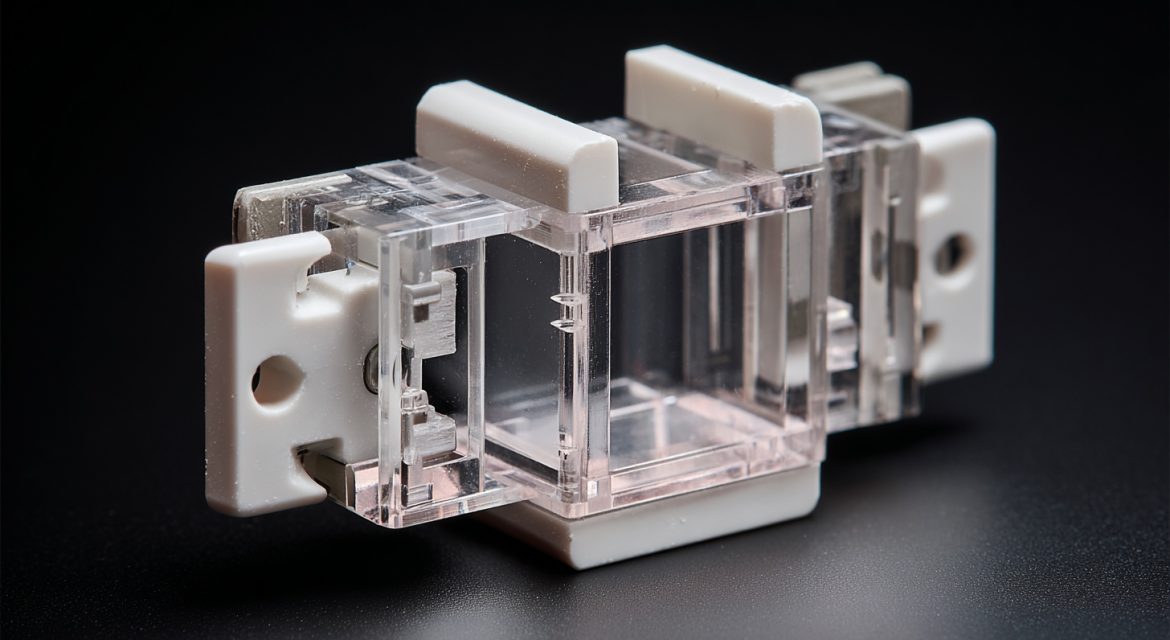
An optical fiber fixing clip is a specialized tool used in the installation and maintenance of fiber optic cables. These clips are designed to securely hold and protect optical fibers during and after the installation process, ensuring optimal performance and longevity of the network infrastructure.
Types of Optical Fiber Fixing Clips
1. Molded Fiber Optic Clip:
– Designed for applications where fiber alignment is critical.
– Typically used in high-density environments like data centers.
– Features include UV-curable adhesive for secure fiber retention.
2. Adjustable Fiber Clip:
– Offers flexibility with adjustable arms to accommodate various fiber sizes.
– Ideal for field installations where precise alignment is needed.
– Made from durable materials like stainless steel or high-grade plastic.
3. Cantilever Fiber Clip:
– Provides a cantilevered arm that gently holds the fiber without excessive pressure.
– Suitable for long-term installations and repeated access scenarios.
– Commonly used in telecom cabinets and outdoor applications.
4. Snap-On Fiber Clip:
– Quick installation with a snap-on mechanism, saving time during setup.
– Designed for temporary or semi-permanent fiber installations.
– Often used in testing environments or short-term deployments.
Technical Parameters of Optical Fiber Fixing Clips
When selecting an optical fiber fixing clip, several technical parameters must be considered to ensure optimal performance:
– Material:
– Common materials include stainless steel, plastic, and nylon. Stainless steel offers durability, while plastic and nylon provide lightweight solutions.
– Clamping Force:
– The force applied by the clip should be sufficient to hold the fiber without causing damage.
– Typical clamping forces range from 0.5 N to 2 N depending on fiber type and application.
– Compatibility:
– Ensure the clip is compatible with the fiber diameter (usually 9/125 μm for single-mode fibers).
– Temperature Range:
– Operating temperature ranges vary; choose clips suitable for your environment, typically from -40°C to +85°C.
Applications of Optical Fiber Fixing Clips
Optical fiber fixing clips are essential in various applications within telecommunications and networking:
1. Data Centers:
– Used for securing fiber optic cables in high-density server racks.
2. Telecom Cabinets:
– Helps organize and protect fibers in outdoor cabinets exposed to harsh conditions.
3. Fiber Optic Splicing:
– Assists in temporarily holding fibers during splicing processes.
4. Field Installations:
– Facilitates quick and secure installations in remote or challenging environments.
Best Practices for Using Optical Fiber Fixing Clips
To maximize the effectiveness of optical fiber fixing clips:
1. Proper Installation:
– Follow manufacturer guidelines to ensure correct application and avoid fiber damage.
2. Regular Inspection:
– Periodically check clips for wear and tear, especially in high-stress environments.
3. Compatibility Check:
– Verify that the clip is compatible with your specific fiber type and diameter before installation.
4. Environmental Considerations:
– Select clips rated for the temperature, humidity, and other environmental factors of your deployment site.
Conclusion
Optical fiber fixing clips are indispensable tools in modern telecommunications and networking infrastructure. By understanding the types, technical specifications, and best practices associated with these clips, professionals can ensure reliable and efficient fiber optic installations. Proper selection and use of fixing clips contribute significantly to the overall performance and longevity of optical networks.