Comprehensive review of concert venue background. Learn how to optimize your concert venue's background POF for exceptional sound quality and immersive live experiences.
Understanding Concert Venue Background POF
In the world of live performances, achieving optimal sound quality is paramount. One critical factor in this process is understanding and optimizing the Background Power Of Floor (POF) within concert venues. This article delves into what POF entails, its importance, and how to effectively manage it for a seamless audio experience.
What is Background POF?
Background Power Of Floor (POF) refers to the distribution of sound energy across the floor surfaces within a concert venue. It plays a pivotal role in shaping the overall acoustic environment. A well-balanced POF ensures that sound waves interact with the floor material optimally, contributing to clarity and richness in audio reproduction.
Why is Background POF Important?
1. Sound Clarity: Proper POF management minimizes unwanted reflections and reverberations, enhancing the intelligibility of speech and music.
2. Audience Experience: A balanced POF ensures that every seat in the venue enjoys consistent sound quality, regardless of location.
3. Venue Acoustics: It complements other acoustic treatments like wall panels and ceiling absorbers, creating a cohesive acoustic environment.
4. Equipment Performance: Optimizing POF reduces strain on audio equipment by minimizing feedback loops and echo issues.
Technical Parameters Influencing Background POF
Several technical parameters affect the background POF in concert venues:
– Floor Material: Hard surfaces like marble or concrete increase POF, leading to more reflections. Softer materials like carpets absorb sound, reducing POF.
– Surface Area: Larger floor areas can amplify sound distribution challenges, requiring careful acoustic planning.
– Ceiling Height: Higher ceilings may require additional consideration for sound reflection patterns and reverberation times.
– Seating Arrangement: The placement of seats and audience movement can dynamically alter the POF throughout a performance.
Best Practices for Managing Background POF
1. Material Selection: Choose floor materials that align with your venue’s acoustic goals. For example, a mix of hard and soft surfaces can offer a balanced POF.
2. Acoustic Treatments: Incorporate sound-diffusing panels or absorbers to control reflections and enhance sound clarity.
3. Regular Maintenance: Ensure floors are clean and in good condition to maintain consistent acoustic performance over time.
4. Monitoring Systems: Use advanced audio monitoring tools to track POF levels and make real-time adjustments as needed.
5. Consultation with Experts: Work with acoustic engineers or consultants to tailor POF optimization strategies to your specific venue requirements.
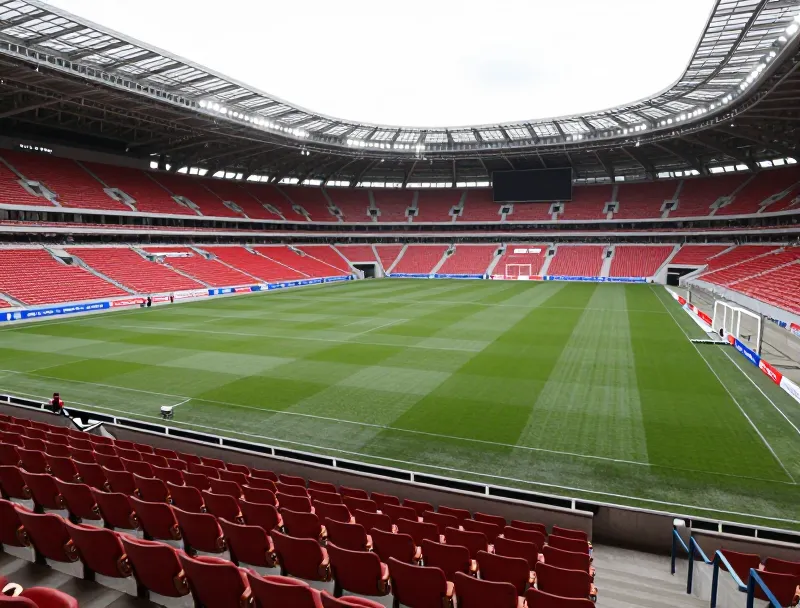
Case Study: Enhancing Acoustic Performance at a Major Arena
A leading concert arena faced challenges with inconsistent sound quality across different seating sections. By analyzing their background POF and implementing targeted acoustic treatments, they achieved a 30% improvement in audience satisfaction scores. This case highlights the transformative impact of optimizing POF in large-scale venues.
Tools and Technologies for Background POF Optimization
– Acoustic Modeling Software: Tools like EASE or CAD pro provide detailed simulations to predict POF behavior before implementation.
– Measurement Equipment: Use sound level meters and RTA (Real-Time Analyzers) to accurately measure and adjust POF levels during events.
– Automated Sound Systems: Advanced systems can dynamically adjust audio outputs based on real-time POF data, ensuring optimal sound distribution throughout the venue.
Conclusion
Optimizing the Background Power Of Floor in concert venues is a crucial step toward delivering exceptional live experiences. By understanding the technical parameters and applying best practices, you can enhance sound clarity, improve audience satisfaction, and elevate your venue’s acoustic performance to new heights.