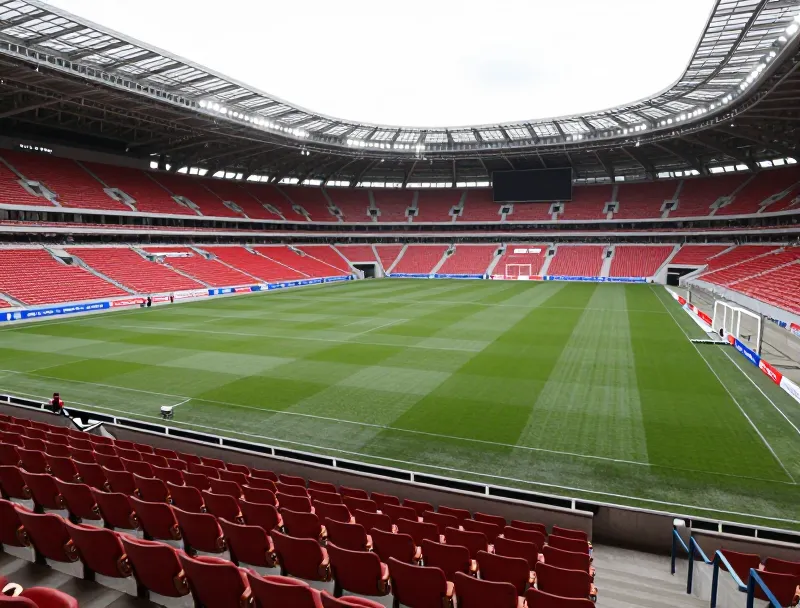
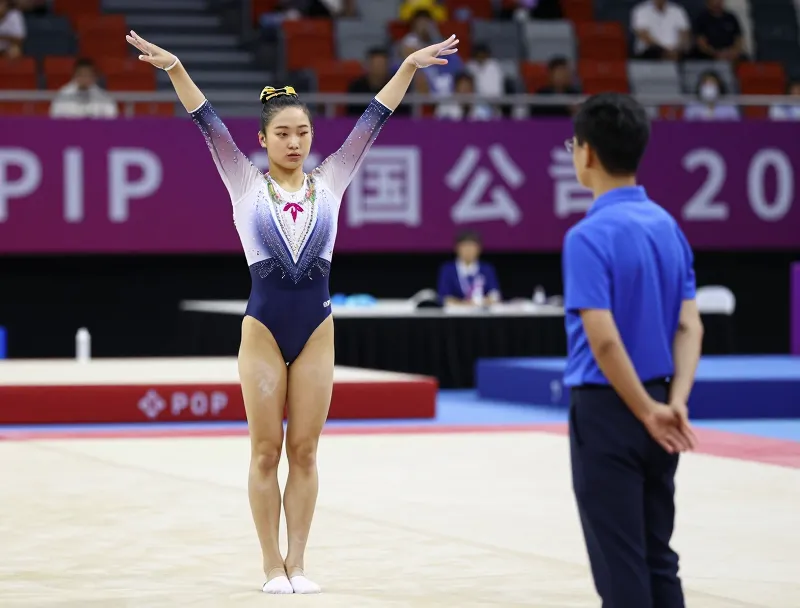
Comprehensive review of gymnastics arena. Learn about designing, maintaining, and optimizing gymnastics arenas for peak performance and safety. Explore key factors like layout, equipment, safety measures, and operational strategies.
Introduction
Gymnastics is a discipline that demands precision, strength, and flexibility. To support athletes in achieving their full potential, the design and operation of gymnastics arenas play a crucial role. This article explores essential aspects of gym arena design, focusing on elements like layout, equipment placement, safety measures, and operational strategies to ensure optimal performance environments.
Layout and Space Utilization
1. Arena Dimensions: The standard size for a gymnastics arena is typically 25 meters in length and 14 meters in width, though this can vary based on the specific events hosted. Adequate space is necessary to accommodate various apparatuses such as vaults, balance beams, pommel horses, and rings.
2. Floor Space Allocation: The floor area should be clearly divided into zones for different activities—warm-up areas, competition zones, and spectator seating. Proper zoning ensures smooth operations during events.
3. Circuit Design: For apparatus-based gymnastics, the layout must allow athletes to move seamlessly from one piece of equipment to another without interference or bottlenecks. A logical flow reduces the risk of accidents and enhances efficiency.
Equipment Placement and Safety
1. Vaulting Table Placement: The vaulting table should be placed at a height of 135 cm (for women) or 160 cm (for men) above the ground, with a runway length of approximately 25 meters leading up to it.
2. Balance Beam Considerations: Balance beams for women are set at 1.25 meters high and 5 meters long. Proper padding around these beams is essential to prevent injuries during falls.
3. Pommel Horse Setup: The pommel horse stands at a height of about 1.45 meters with handgrips positioned correctly to allow athletes to perform their routines effectively and safely.
4. Safety Mats and Padding: All apparatuses should be surrounded by thick, high-quality safety mats that can absorb impact. Mat thickness typically ranges from 5 cm to 10 cm depending on the type of gymnastics and skill level of participants.
Lighting and Acoustics
1. Illumination Levels: Adequate lighting is critical for both performance and spectator visibility. The recommended illuminance level is between 800 lux to 1200 lux, ensuring that all apparatuses are well-lit without causing glare.
2. Acoustic Design: Arena acoustics should minimize echo and reverberation while allowing clear communication between coaches and athletes. Sound absorption panels can be used to control noise levels effectively.
Flooring and Surface Safety
1. Floor Material: The flooring must provide a balance of grip, cushioning, and durability. Common materials include sprung wood floors or specialized gymnastics mats that offer excellent shock absorption and traction.
2. Surface Testing: Regular testing of the floor surface is essential to ensure it meets safety standards. Tests can include impact attenuation measurements and slip resistance evaluations.
Operational Strategies
1. Event Scheduling: Efficient scheduling is vital to avoid overbooking and ensure adequate preparation time between events. A well-organized schedule prevents delays and reduces stress for both athletes and staff.
2. Staff Training: All personnel, including coaches, judges, and medical staff, should undergo regular training to stay updated on the latest safety protocols and operational procedures.
3. Emergency Preparedness: The arena must have clear emergency exits, first aid stations, and a well-trained medical team on standby. Regular drills ensure that everyone knows what to do in case of an incident.
4. Maintenance and Upkeep: Routine maintenance checks on all equipment and facilities are necessary to prevent malfunctions or hazards. A preventive maintenance schedule helps extend the lifespan of equipment and ensures safety.
Conclusion
A well-designed gymnastics arena is more than just a venue; it’s a carefully crafted environment that supports athletes in achieving their best performances. By focusing on layout, equipment placement, safety measures, lighting, acoustics, flooring, and operational strategies, you can create an optimal space where excellence in gymnastics can thrive.
References
– International Gymnastics Federation (FIG) Guidelines
– National Collegiate Athletic Association (NCAA) Safety Protocols
– ASTM International Standards for Sports Equipment