
Comprehensive review of swimming pool deck safety. Learn how to maintain a safe swimming pool deck with expert tips on POF, materials, and best practices. Ensure compliance with safety standards for a secure environment.
Swimming Pool Deck Safety: A Comprehensive Guide
Introduction
Swimming pools are meant for enjoyment, relaxation, and fun. However, the surrounding deck area can pose significant risks if not properly maintained and designed. In this article, we delve into swimming pool deck safety, focusing on the Premise of Function (POF) and practical tips to ensure a safe environment.
Understanding POF in Pool Deck Safety
The Premise of Function (POF) is a critical concept in design and engineering, referring to how a structure or system should operate under normal conditions. For pool decks, the POF ensures that the deck not only supports its intended use but also adheres to safety standards.
#### Key Considerations for Pool Deck Safety
1. Material Selection:
– Choose non-slip materials like textured concrete, rubber, or specialized pool deck tiles to reduce the risk of slips and falls.
2. Surface Conditions:
– Regularly inspect for uneven surfaces, cracks, or worn-out areas that could lead to accidents.
3. Drainage Systems:
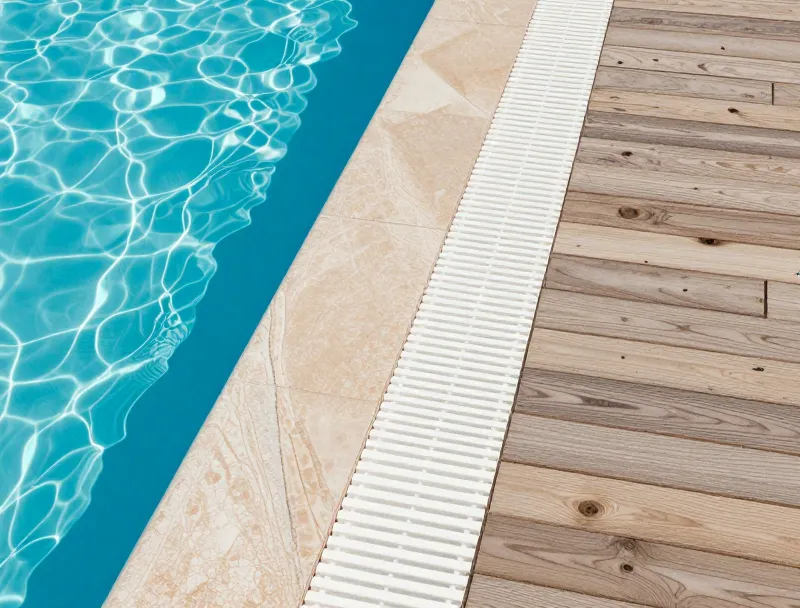
– Proper drainage is essential. Ensure water doesn’t puddle on the deck, which can create slippery conditions.
4. Lighting:
– Adequate lighting around the pool deck enhances visibility and reduces tripping hazards at night.
5. Furniture Placement:
– Position furniture away from high-traffic areas to prevent collisions and ensure clear pathways.
Technical Parameters for Pool Deck Safety
To maintain safety, specific technical parameters must be considered:
– Load-Bearing Capacity: The deck should withstand the expected weight loads without compromising structural integrity.
– Slip Resistance (COF): A Coefficient of Friction (COF) of at least 0.6 is recommended for pool decks to minimize slip risks.
– Expansion Joints: Properly installed expansion joints prevent cracking due to temperature changes and structural settling.
Best Practices for Maintaining Safety
1. Regular Inspections:
– Conduct routine checks for wear and tear, especially after harsh weather conditions or heavy use.
2. Cleaning Routine:
– Keep the deck clean by removing debris and using appropriate cleaning agents to maintain surface integrity.
3. Repair Promptly:
– Address any damage immediately to prevent minor issues from becoming major hazards.
4. Educate Users:
– Inform pool users about safe practices, such as wearing proper footwear and avoiding running on the deck.
Conclusion
A safe swimming pool deck is essential for a enjoyable experience. By understanding POF principles, adhering to technical parameters, and following best maintenance practices, you can create a secure environment for everyone. Remember, prevention is key—regular inspections and prompt repairs go a long way in ensuring safety.