
Understanding Low-Loss Plastic Optical Fiber: Applications and Advantages
Optical fibers have revolutionized the way we communicate, enabling high-speed data transmission over long distances. Among the various types of optical fibers available, low-loss plastic optical fiber (POF) stands out due to its unique properties and versatility. This article delves into the intricacies of low-loss POF, exploring its applications, advantages, and key technical parameters.

What is Low-Loss Plastic Optical Fiber?
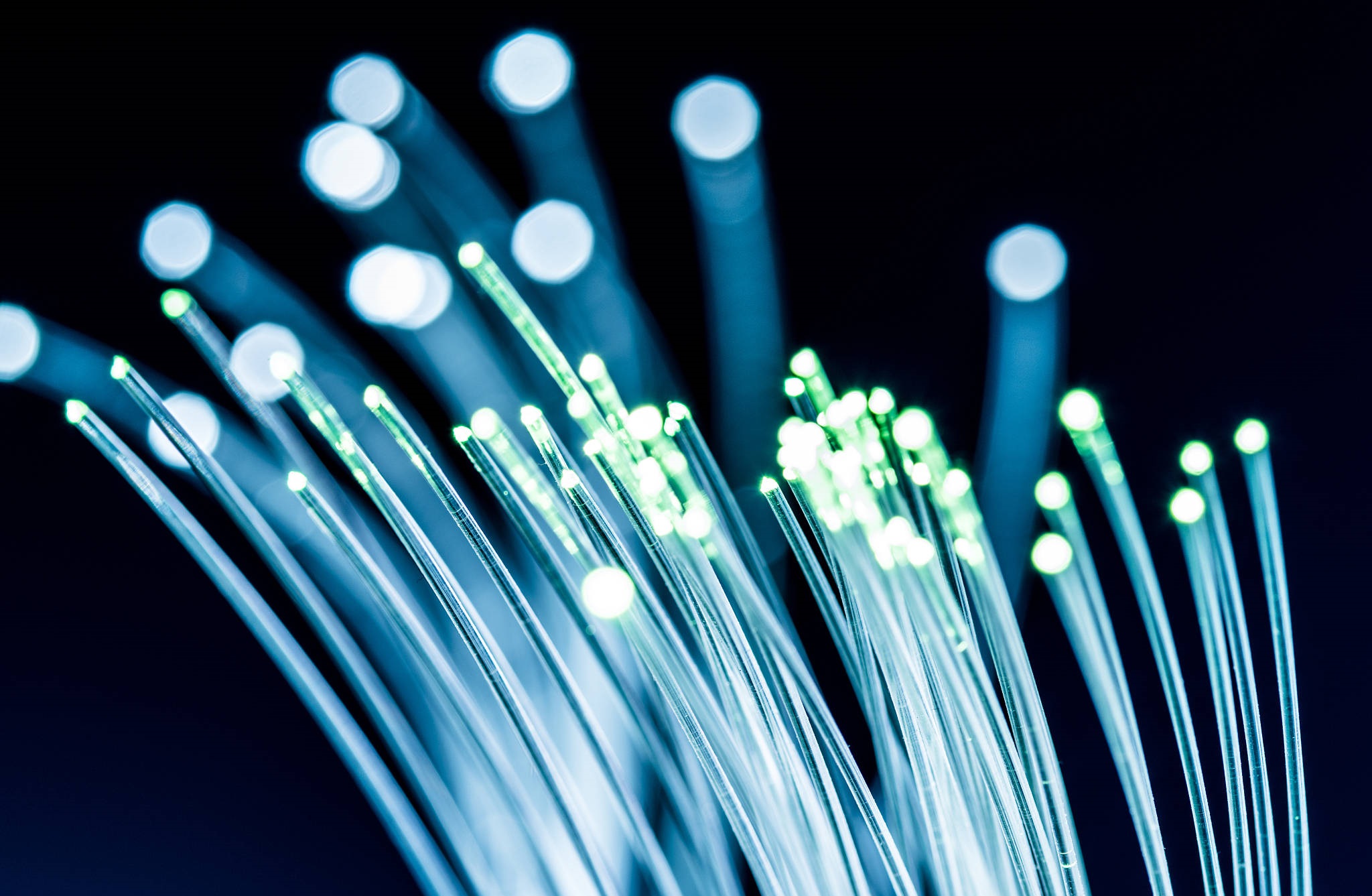
Low-loss plastic optical fiber is a type of optical fiber made from plastic materials rather than glass. Unlike traditional glass-based fibers, POFs are more flexible, lightweight, and cost-effective. The term ‘low-loss’ refers to the minimal signal attenuation or loss that occurs as light travels through the fiber. This characteristic makes low-loss POF ideal for various applications where efficient data transmission is crucial.
Key Technical Parameters of Low-Loss Plastic Optical Fiber
When evaluating low-loss plastic optical fibers, several technical parameters are critical:
1. Attenuation (Loss per Unit Length): The attenuation coefficient measures the reduction in light intensity as it travels through the fiber. For low-loss POFs, this is typically around 0.5 dB/km to 2 dB/km, which is significantly lower than standard plastic fibers.
2. Numerical Aperture (NA): This parameter indicates the fiber’s ability to capture light from a source. A higher NA means more efficient coupling of light into the fiber. Low-loss POFs often have an NA ranging from 0.45 to 0.5, ensuring optimal performance.
3. Core Diameter: The core diameter is critical for determining the fiber’s bandwidth and capacity. Low-loss POFs usually have a core diameter between 80 μm and 1 mm, making them suitable for various applications.
4. Fiber Jacket Material: The jacket material protects the fiber from environmental factors. Low-loss POFs often use durable materials like fluoropolymer or PVC to enhance longevity and flexibility.
Applications of Low-Loss Plastic Optical Fiber
Low-loss plastic optical fibers find application in a wide range of fields due to their unique properties:
1. Telecommunications: In local area networks (LANs) and fiber-to-the-home (FTTH) solutions, low-loss POFs provide high-speed data transmission with minimal interference.
2. Automotive Industry: These fibers are used in car networking systems for reliable communication between vehicle components, such as sensors and control units.
3. Medical Equipment: The flexibility and durability of low-loss POF make them ideal for medical imaging devices like endoscopes and fiber optic scopes.
4. Industrial Automation: In industrial settings, these fibers are employed in machine-to-machine (M2M) communication and process monitoring systems.
5. Aerospace and Defense: Low-loss POFs are used in aircraft and defense systems for data transmission due to their lightweight and resistance to harsh environments.
Advantages of Low-Loss Plastic Optical Fiber
The benefits of low-loss plastic optical fiber make it a preferred choice in many industries:
1. Cost-Effective: Compared to glass fibers, POFs are more affordable, making them accessible for large-scale applications.
2. Flexibility and Durability: The plastic material allows the fibers to bend without breaking, enhancing their applicability in complex systems.
3. Ease of Use: Low-loss POFs require less stringent installation conditions compared to glass fibers, reducing complexity and costs.
4. Resistance to Interference: Unlike copper wires, optical fibers are immune to electromagnetic interference (EMI), ensuring reliable data transmission.
5. High Bandwidth Capacity: Despite being made of plastic, low-loss POFs offer sufficient bandwidth for high-speed communication needs.
Challenges and Considerations
While low-loss plastic optical fiber offers numerous advantages, there are some challenges to consider:
1. Bandwidth Limitations: Compared to glass fibers, POFs have lower bandwidth capacity, which may limit their use in ultra-high-speed applications.
2. Temperature Sensitivity: The performance of plastic fibers can degrade under extreme temperature conditions, requiring careful installation and monitoring.
3. Attenuation Limits: Although low-loss POFs have improved attenuation characteristics, they still cannot match the performance of some high-end glass fibers over long distances.
Conclusion
Low-loss plastic optical fiber represents a significant advancement in optical communication technology. Its combination of flexibility, cost-effectiveness, and reliable performance makes it an excellent choice for a wide range of applications. As technology continues to evolve, further improvements in POFs are expected, expanding their utility in both existing and emerging fields.
By understanding the technical parameters, applications, and advantages of low-loss plastic optical fiber, engineers and technicians can make informed decisions when selecting the most suitable communication solutions for their projects.