
Introduction
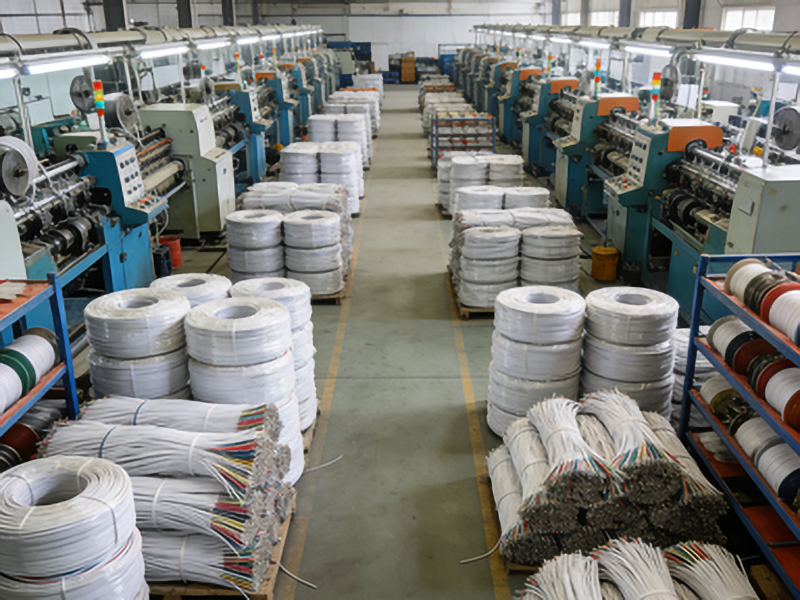
Polyolefin Films (POF) have become a cornerstone of modern packaging solutions due to their versatility, durability, and cost-effectiveness. Achieving a production rate of 1,000,000 meters per day is no small feat and requires meticulous planning, advanced machinery, and continuous process optimization. This article delves into the key factors, technologies, and best practices that enable manufacturers to reach such high-volume POF production levels while maintaining product quality.
Understanding POF Production
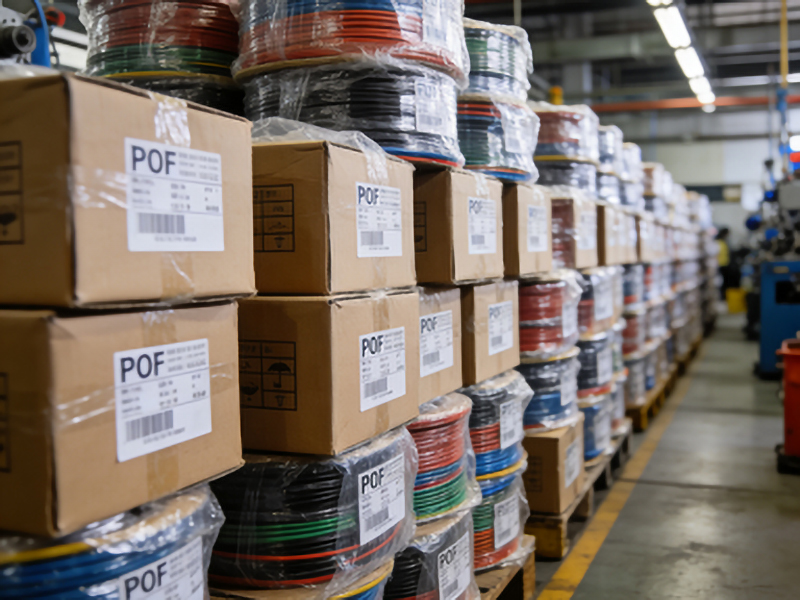
Polyolefin films are primarily made from polyethylene (PE) or polypropylene (PP), which are melted and extruded onto a chill roll. The process involves several critical steps:
1. Resin Preparation: High-quality raw materials are essential. Resins must be dried to remove moisture, as residual moisture can lead to defects like bubble formation.
2. Extrusion Process: The extruder melts the resin and forces it through a die to form a continuous film. Temperature control is crucial here; deviations can cause uneven thickness or weak spots.
3. Chill Roll Cooling: After extrusion, the molten film is cooled rapidly on a chill roll to set its structure. Proper cooling ensures dimensional stability and prevents warping.
4. Slitting and Winding: The film is slit into desired widths and wound onto rolls for packaging or further processing.
Key Technical Parameters for High-Volume Production
To achieve 1,000,000 meters/day, manufacturers must pay close attention to several technical parameters:
1. Extruder Performance
The extruder’s throughput capacity directly impacts production volume. Modern extruders are designed with high-shear mixing sections and efficient cooling systems to handle large volumes without compromising quality.
– Screw Design: screws should be optimized for high melt flow rates while ensuring uniform melting.
– Barrel Temperature Control: precise temperature zones prevent thermal degradation of the resin and ensure consistent melt viscosity.
2. Chill Roll Efficiency
The chill roll plays a pivotal role in film structure formation. Its efficiency is measured by how quickly it can cool the molten film without causing stress or uneven cooling.
– Chill Roll Temperature: typically maintained between -30°C to 0°C depending on polymer type and desired film properties.
– Cooling Media: advanced systems use liquid nitrogen or refrigerated glycol for rapid, uniform cooling.
3. Film Thickness Control
Uniform thickness is critical for maintaining mechanical properties and ensuring consistent performance across the roll.
– Automatic Gauge Control (AGC): modern AGC systems use infrared sensors to monitor thickness variations in real-time and adjust the extruder screw speed accordingly.
– Tension Control: proper tension ensures even distribution of the film on the chill roll, preventing thickness irregularities.
4. Winding and Slitting
The final stages of production are crucial for packaging quality and efficiency.
– Slitter Accuracy: precision slitters ensure accurate widths with minimal waste.
– Winding Tension: consistent winding tension prevents telescoping or edge damage, ensuring roll stability during transportation and further processing.
Best Practices for Operational Efficiency
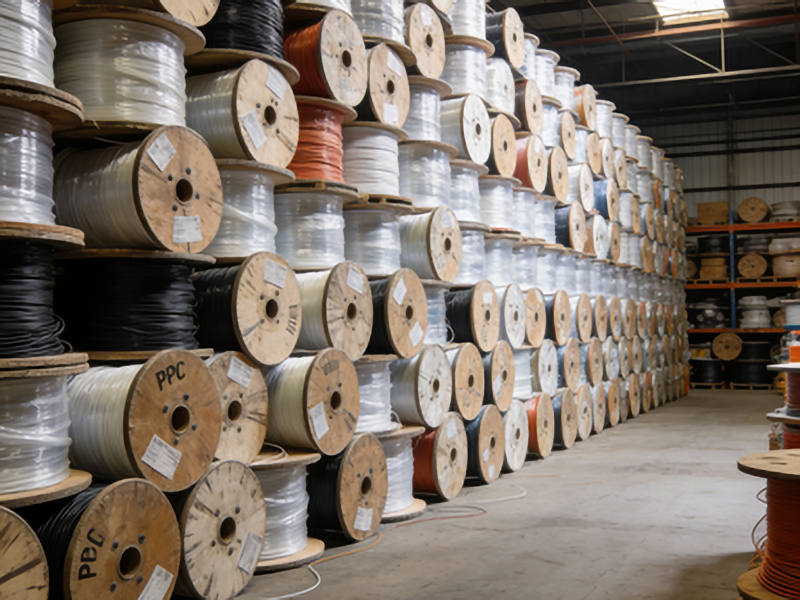
High-volume POF production isn’t just about machinery; it’s also about operational excellence. Here are some best practices:
1. Regular Maintenance: schedule routine maintenance to ensure all components operate at peak efficiency. This includes cleaning chill rolls, checking extruder screws for wear, and recalibrating sensors.
2. Process Monitoring: implement real-time monitoring systems to track key parameters such as temperature, pressure, and thickness deviations. Early detection of anomalies can prevent costly downtime.
3. Training Programs: invest in training programs to keep staff updated on the latest technologies and operational techniques. Skilled operators are better equipped to handle complex machinery and troubleshoot issues quickly.
4. Quality Control Systems: establish robust quality control protocols with automated inspection systems. These systems can detect defects like holes, bubbles, or thickness variations before they become significant issues.
Case Study: Achieving 1,000,000 Meters/Day
A leading POF manufacturer implemented several key changes to boost their production capacity:
– Upgraded Extrusion Lines: They invested in state-of-the-art extruders with higher throughput and more precise temperature control.
– Automated AGC Systems: Introduced real-time thickness monitoring, reducing waste by 15%.
– Optimized Cooling Systems: Enhanced chill roll cooling efficiency led to a 20% increase in line speed without compromising film quality.
These changes enabled them to achieve their target of 1,000,000 meters/day while maintaining product consistency and reducing operational costs by 10%.
Challenges and Solutions
While aiming for high production rates, manufacturers often face challenges such as:
– Film Thickness Variation: Addressed through advanced AGC systems and regular calibration checks.
– Melt Flow Instability: Solved by optimizing screw design and maintaining consistent barrel temperatures.
– Cooling Efficiency Issues: Resolved with better cooling media management and chill roll maintenance schedules.
Conclusion
Achieving 1,000,000 meters/day in POF production is a testament to technological advancement and operational excellence. By focusing on key technical parameters, implementing best practices, and investing in modern machinery, manufacturers can not only reach these high-volume targets but also maintain superior product quality. Continuous innovation and a commitment to process optimization will remain critical as the demand for polyolefin films continues to grow in various industries.
References
1. Plastics Europe – Guide to Polyolefin Film Production
2. Extrusion Equipment Manufacturers Association (EEMA) – Best Practices in High-Volume Manufacturing
3. International Organization for Standardization (ISO) – Standards for Film Thickness Measurement and Control