Introduction to Optoelectronic Components for POF
Optoelectronic components are critical elements in plastic optical fiber (POF) communication and sensing systems. These devices convert electrical signals into light and vice versa, enabling efficient data transmission over POF networks.
Types of Optoelectronic Components
1. Optical Transceivers
Optical transceivers combine both transmitter and receiver functionalities in a single package. They are essential for bidirectional communication in POF systems. Key parameters include:
– Wavelength: Typically operates at 850 nm or 650 nm.
– Data Rate: Supports up to 1 Gbps depending on the design.
– Power Consumption: Low power consumption is crucial for portable applications.
2. Light Sources
a) LEDs
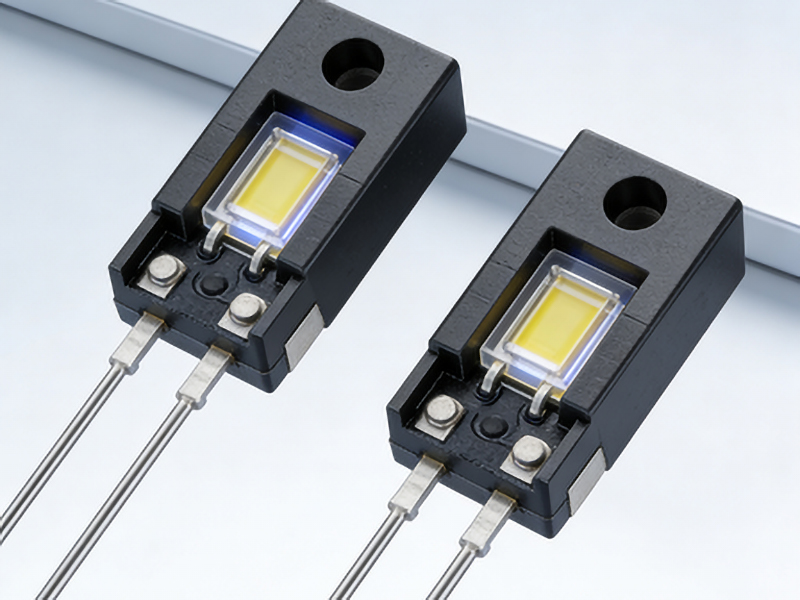
Light Emitting Diodes (LEDs) are commonly used as light sources in POF systems due to their low cost and reliability. Parameters include:
– Emission Wavelength: 650 nm or 850 nm for optimal fiber coupling.
– Luminous Intensity: Measured in millicandela (mcd).
b) Laser Diodes
For higher data rates and longer distances, laser diodes are preferred. Key parameters include:
– Threshold Current: The minimum current required to initiate lasing.
– Output Power: Typically in the range of 10 mW to 50 mW.
3. Photodetectors
Photodetectors convert incoming optical signals back into electrical signals. Common types include:
a) PIN Diodes
PIN photodiodes offer high speed and sensitivity, making them suitable for POF applications. Key parameters:
– Response Time: Typically in the nanosecond range.
– Sensitivity: Measured in amps per watt (A/W).
b) avalanche Photodiodes (APDs)
APD photodetectors provide high sensitivity but require careful biasing to avoid noise. Parameters include:
– Gain: Typically from 50 to 200.
– Dark Current: Measured in nanoamperes or microamperes.
Selection Criteria for Optoelectronic Components
When selecting components, consider the following factors:
– Compatibility with POF: Ensure the wavelength matches the fiber’s attenuation characteristics.
– Data Rate Requirements: Higher speeds require more sophisticated components like laser diodes and APDs.
– Power Constraints: Choose low-power devices for battery-operated systems.
– Cost Considerations: Balance between performance and budget to select appropriate devices.
Applications of Optoelectronic Components in POF
1. Communications
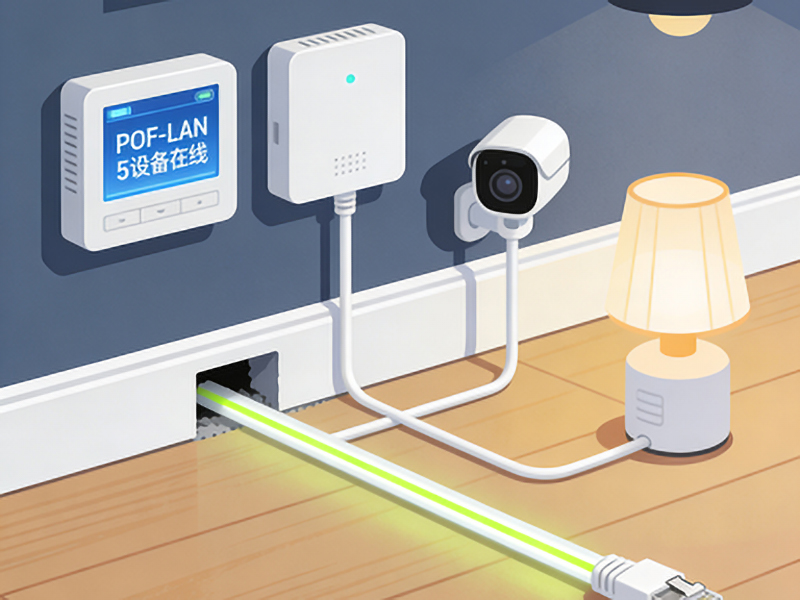
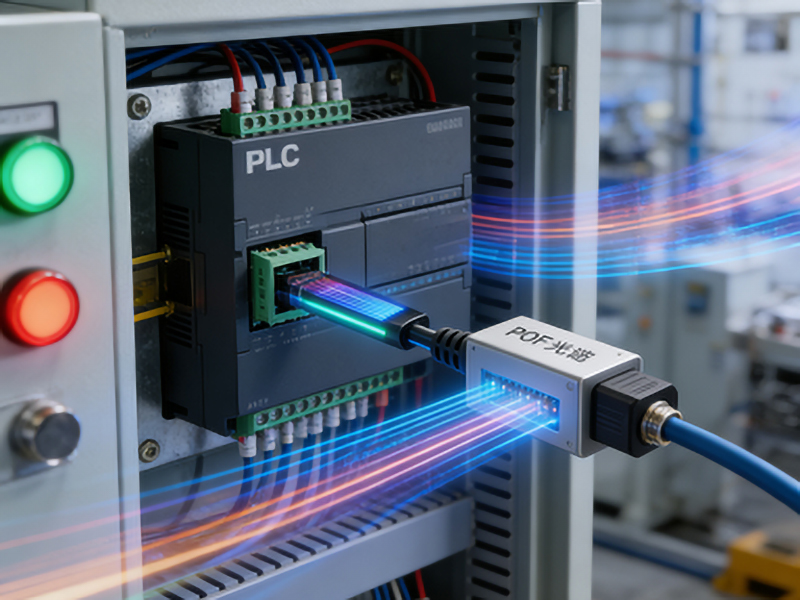
POF-based communication systems use optoelectronic components for data transmission in LANs, multimedia networks, and industrial automation.
2. Sensing
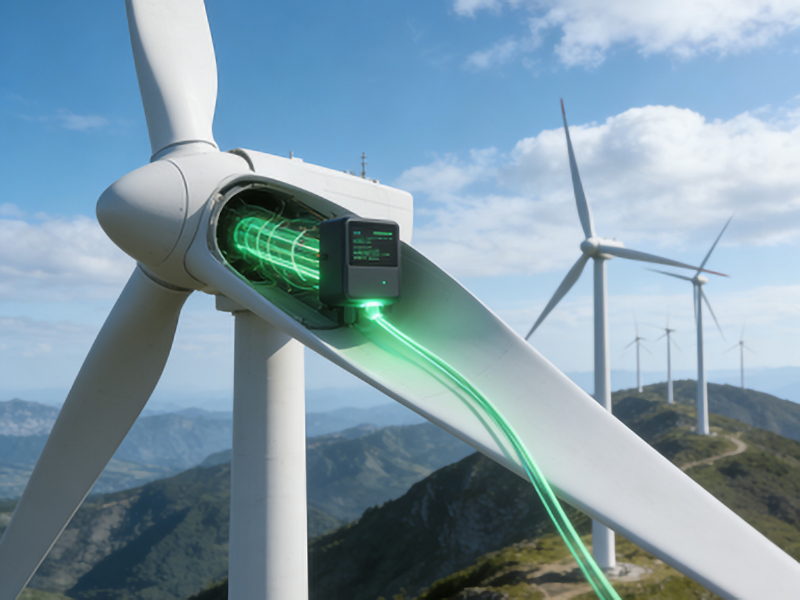
Optoelectronic sensors integrate with POF to detect parameters like temperature, pressure, and strain in harsh environments.
Conclusion
Optoelectronic components are fundamental to the functionality of Plastic Optical Fiber systems. By understanding their types, parameters, and application considerations, engineers can design efficient and reliable POF-based solutions.