Introduction
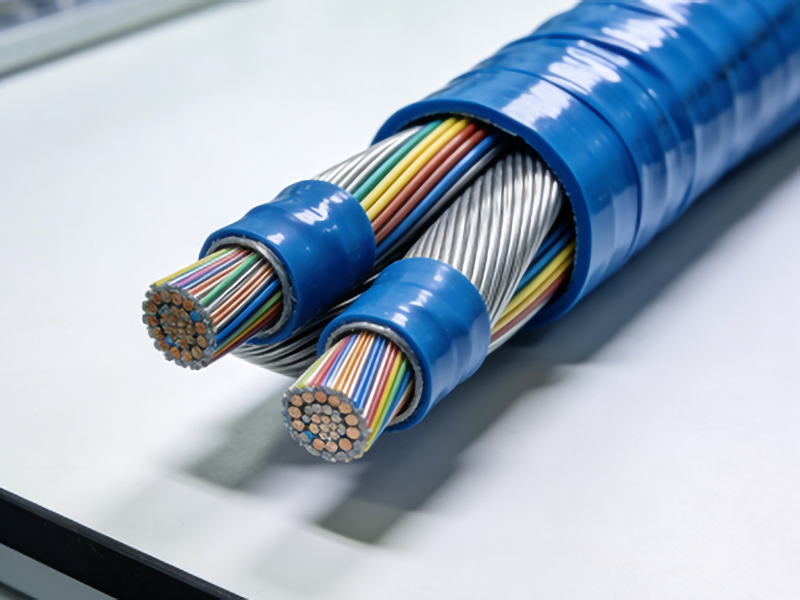
Plastic Optical Fiber (POF) has emerged as a revolutionary material in the field of telecommunications and data transmission. Unlike traditional glass-based optical fibers, POF is made from plastic, offering unique advantages such as flexibility, ease of installation, and cost-effectiveness. However, concerns about toxicity have led to the development of non-toxic variants that meet stringent environmental and safety standards.

Properties of Non-Toxic Plastic Optical Fiber
Material Composition
Non-toxic POF is typically composed of polymers like PMMA (Polymethyl Methacrylate), which is known for its high transparency and mechanical durability. The manufacturing process ensures that no harmful substances are released during production or use, making it safe for various applications.
Transmission Characteristics
– Numerical Aperture (NA): 0.5 to 0.6, providing efficient light capture and transmission.
– Attenuation: Typically ranges between 200 dB/km to 300 dB/km at wavelengths of 650 nm to 850 nm, suitable for short-distance communication.
– Bandwidth: Supports data rates up to several gigabits per second, making it ideal for high-speed applications.
Applications of Non-Toxic Plastic Optical Fiber
Telecommunications
Non-toxic POF is widely used in local area networks (LANs) and fiber-to-the-home (FTTH) solutions. Its flexibility allows easy installation in buildings and homes without the need for expensive equipment or specialized skills.
Industrial Automation
In industrial settings, non-toxic POF enables reliable communication between machines and control systems. The material’s resistance to electromagnetic interference makes it a preferred choice for harsh environments.
Medical Applications
The non-toxic nature of POF makes it suitable for medical devices such as endoscopes and imaging equipment. Its biocompatibility ensures safe use in healthcare settings without posing risks to patients or staff.
Advantages Over Traditional Glass Fibers
1. Cost-Effective: Non-toxic POF is significantly cheaper than glass fibers, making it accessible for a wide range of applications.
2. Flexibility: The plastic material allows bending without signal loss, unlike brittle glass fibers.
3. Ease of Use: Simpler termination and connectorization processes reduce installation time and complexity.
4. Environmental Safety: Non-toxic composition aligns with global environmental standards, reducing ecological impact.
Challenges and Future Developments
Despite its advantages, non-toxic POF faces challenges such as higher signal attenuation compared to glass fibers, limiting its use to short-distance applications. However, ongoing research focuses on improving transmission efficiency and expanding application areas.
Future Outlook
The demand for non-toxic POF is expected to grow with advancements in technology and increasing environmental consciousness. Innovations in material science are likely to enhance performance while maintaining the non-toxic profile of these fibers.
Conclusion
Non-toxic Plastic Optical Fiber represents a significant advancement in optical communication technologies. Its combination of safety, flexibility, and cost-effectiveness positions it as a valuable alternative to traditional glass-based solutions. As technology continues to evolve, non-toxic POF will play an increasingly important role in shaping the future of telecommunications and data transmission.