
# High-Bandwidth Communication POF
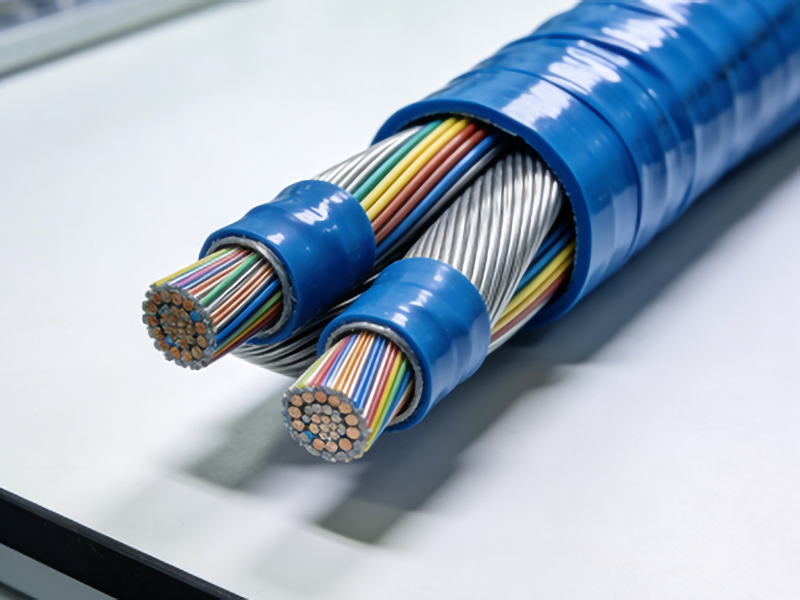
Parallel Optical Fiber (POF) is revolutionizing the way we transmit data at unprecedented speeds. This article delves into the intricacies of POF technology, highlighting its advantages, applications, and key technical parameters that make it a cornerstone in modern communication systems.
What is Parallel Optical Fiber?
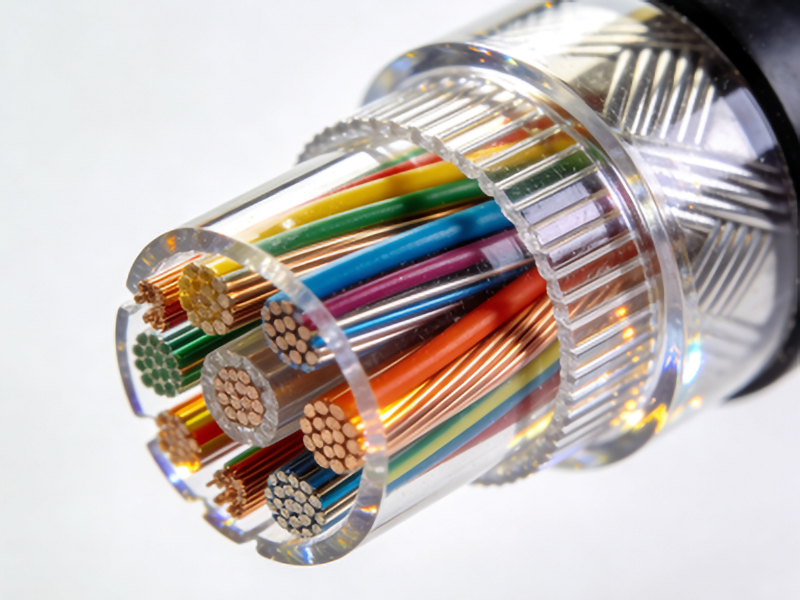
Parallel Optical Fiber, or POF, represents a cutting-edge approach to optical communication. Unlike traditional single-mode fibers (SMF) that rely on a single light beam for data transmission, POF utilizes multiple parallel fiber channels to significantly enhance bandwidth and throughput. This innovation allows for higher data rates with lower latency, making it ideal for applications requiring massive data transfer capabilities.
Technical Parameters of POF
To fully understand the potential of POF, it’s essential to examine its technical specifications:
Bandwidth Capacity
– Single-mode Fiber (SMF): Typically offers a bandwidth up to 10 GHz·km.
– Parallel Optical Fiber (POF): Achieves a bandwidth capacity of over 100 GHz·km, enabling faster data transmission rates.
Data Rate
– POF systems can support data rates ranging from 10 Gbps to an impressive 400 Gbps per channel, depending on the configuration and modulation techniques employed.
Latency
– With lower latency compared to traditional copper-based systems, POF ensures real-time communication, critical for applications like cloud computing and high-frequency trading.
Applications of Parallel Optical Fiber
The versatility of POF makes it suitable for a wide array of applications:
1. Data Centers: Enhancing interconnectivity between servers with ultra-high bandwidths to handle the growing demands of big data and AI.
2. Telecommunications: Enabling faster internet speeds and improved network performance in backbone infrastructure.
3. Avionics and Aerospace: Providing reliable, high-speed communication systems for aircraft and spacecraft.
4. Automotive Industry: Facilitating advanced driver-assistance systems (ADAS) and vehicle-to-everything (V2X) communication with low latency.
5. Medical Imaging: Supporting high-resolution imaging devices that require rapid data transfer rates.
Advantages of POF Technology
– Higher Bandwidth: Multiple parallel channels allow for simultaneous data transmission, increasing overall system bandwidth.
– Lower Latency: Reduced signal delay compared to copper cables, ensuring real-time data processing.
– Scalability: Easily scalable to meet future demands by adding more fiber channels as needed.
– Immunity to EMI: Optical fibers are inherently immune to electromagnetic interference, making POF systems highly reliable in noisy environments.

Challenges and Considerations
While POF offers numerous benefits, it also presents certain challenges:
1. Cost: The initial investment in POF infrastructure can be higher than traditional copper or SMF solutions due to the complexity of manufacturing parallel fibers.
2. Installation Complexity: Requires skilled technicians for installation and maintenance, as the system involves multiple fiber channels.
3. Signal Integrity: Ensuring consistent signal quality across all parallel channels necessitates advanced synchronization techniques and high-quality components.
Future Prospects
As technology continues to evolve, POF is poised to play a pivotal role in meeting the increasing demand for higher bandwidth and faster data transmission. Innovations such as increased channel counts, improved modulation techniques, and cost-effective manufacturing processes will further solidify its position in various industries.
In conclusion, Parallel Optical Fiber represents a significant leap forward in high-bandwidth communication solutions. Its ability to deliver exceptional performance across diverse applications underscores its importance in shaping the future of data transmission technologies.