
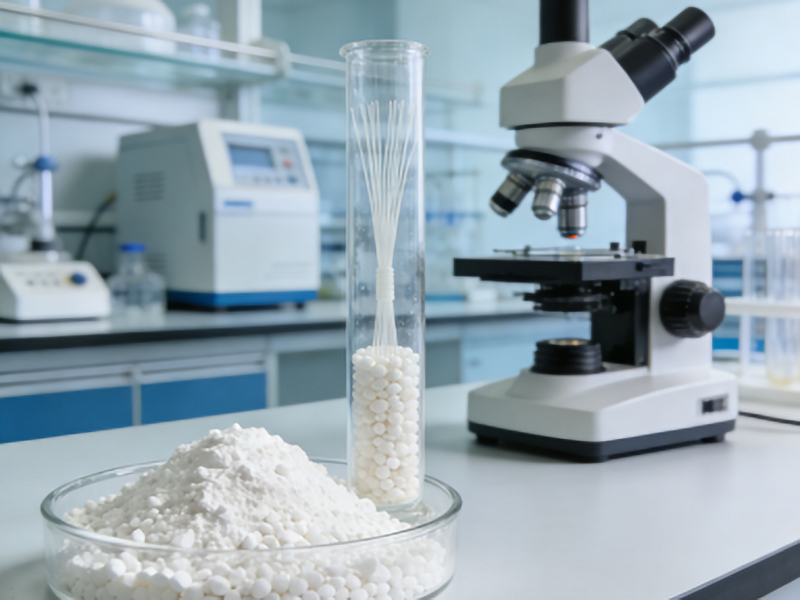
What is Eco-Friendly POF?
Eco-friendly polyolefin film (POF) is a type of packaging material designed to reduce environmental impact while maintaining durability and flexibility. Unlike traditional plastics, eco-friendly POF often incorporates recycled materials or biodegradable components.
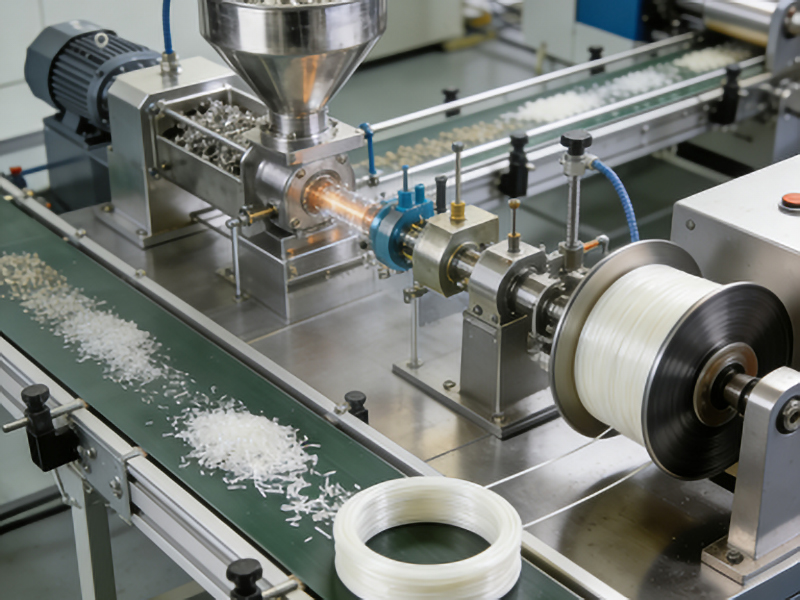
Key Features of Eco-Friendly POF
– Recycled Content: Many eco-friendly POF products use post-consumer or post-industrial recycled (PCR) materials to minimize resource consumption.
– Biodegradability: Some formulations include additives that accelerate degradation in specific conditions, reducing long-term environmental harm.
– Reduced Carbon Footprint: Eco-friendly POF often requires less energy to produce compared to conventional plastics, contributing to lower greenhouse gas emissions.
Technical Parameters of Eco-Friendly POF
Eco-friendly POF can be characterized by several technical parameters that determine its performance and sustainability:
– Tensile Strength (MPa): Indicates the film’s ability to withstand stretching forces without breaking. Typical values range from 15 MPa to 30 MPa depending on application.
– Gloss Level: Reflects the film’s surface finish, measured in units of glossiness. Higher gloss levels are preferred for premium packaging.
– Oxygen Permeability (cm³/m²·24h): Measured using standard tests like ASTM D1054, this parameter is crucial for food packaging to maintain product freshness.
– Water Vapor Transmission Rate (WVTR) (g/m²·24h): Determines the film’s resistance to moisture, important for protecting hygroscopic products.
Applications of Eco-Friendly POF
Eco-friendly POF finds application across various industries due to its versatility and sustainability:
– Food Packaging: Used for fresh produce, snacks, and ready-to-eat meals where freshness retention is critical.
– Household Products: Ideal for packaging items like detergents, cleaning agents, and personal care products.
– E-commerce and Shipping: Provides durable protection for fragile items during transit while reducing environmental impact.
Benefits of Using Eco-Friendly POF
1. Environmental Impact Reduction: By using recycled materials or biodegradable components, eco-friendly POF helps reduce plastic waste in landfills and oceans.
2. Cost Efficiency: Over time, the use of PCR materials can lead to cost savings for manufacturers.
3. Market Appeal: Eco-conscious consumers increasingly prefer products packaged in sustainable materials, enhancing brand loyalty.
Challenges in Implementing Eco-Friendly POF
Despite its advantages, adopting eco-friendly POF presents several challenges:
– Higher Initial Costs: The production of eco-friendly POF may require investment in new technologies or materials.
– Performance Trade-offs: Some formulations might compromise on durability or barrier properties compared to traditional plastics.
– Regulatory Hurdles: Compliance with varying international standards and certifications can be complex.
Future Trends and Innovations
The future of eco-friendly POF is promising, driven by advancements in materials science and increasing consumer demand for sustainable products. Potential innovations include:
– Improved Biodegradability: Development of films that degrade faster under compostable conditions without leaving harmful residues.
– Enhanced Recyclability: Formulations designed to be more easily recyclable, reducing contamination in recycling streams.
– Smart Packaging Solutions: Integration with IoT and sensors for real-time monitoring of product freshness and shelf life.
Conclusion
Eco-friendly POF represents a significant step towards sustainable packaging solutions. By understanding its technical parameters, applications, and benefits, businesses can make informed decisions to reduce their environmental footprint while meeting consumer expectations. As technology advances and awareness grows, eco-friendly POF is poised to play an even greater role in the global shift toward greener practices.