Introduction to Architectural Translucent POF
Polycarbonate Outdoor Film (POF) is a versatile material increasingly popular in architectural design for its ability to transmit light while maintaining privacy and durability. This article delves into the technical aspects, benefits, and applications of translucent POF in modern architecture.
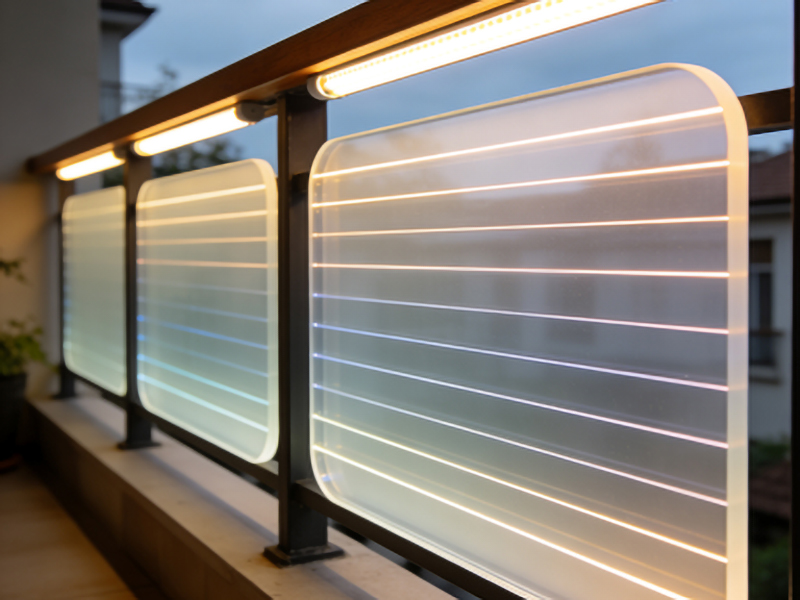
Technical Specifications of Translucent POF
Translucent polycarbonate sheets are known for their exceptional clarity and UV resistance. Key parameters include:
– Thickness: Typically ranges from 1mm to 10mm, depending on the required load-bearing capacity and insulation needs.
– Light Transmission: Approximately 85% diffuse light transmission, providing even illumination without glare.
– Impact Resistance: Up to 250 times stronger than glass, making it ideal for safety in architectural applications.
– Thermal Insulation: Excellent thermal properties, reducing energy consumption by maintaining indoor temperatures.
– UV Resistance: Resists yellowing and degradation under prolonged UV exposure, ensuring long-lasting clarity.
Benefits of Using Translucent POF in Architecture
1. Enhanced Natural Lighting: Allows ample daylight to penetrate interiors, minimizing the need for artificial lighting and reducing energy costs.
2. Privacy and Aesthetics: Provides privacy while maintaining a modern, sleek appearance with its translucent finish.
3. Durability and Safety: Resistant to impact and weather conditions, offering a safe and durable solution for facades, roofing, and partitions.
4. Sustainability: Lightweight and recyclable, contributing to eco-friendly building practices.
5. Design Flexibility: Available in various colors, thicknesses, and finishes, allowing architects to customize designs according to project requirements.
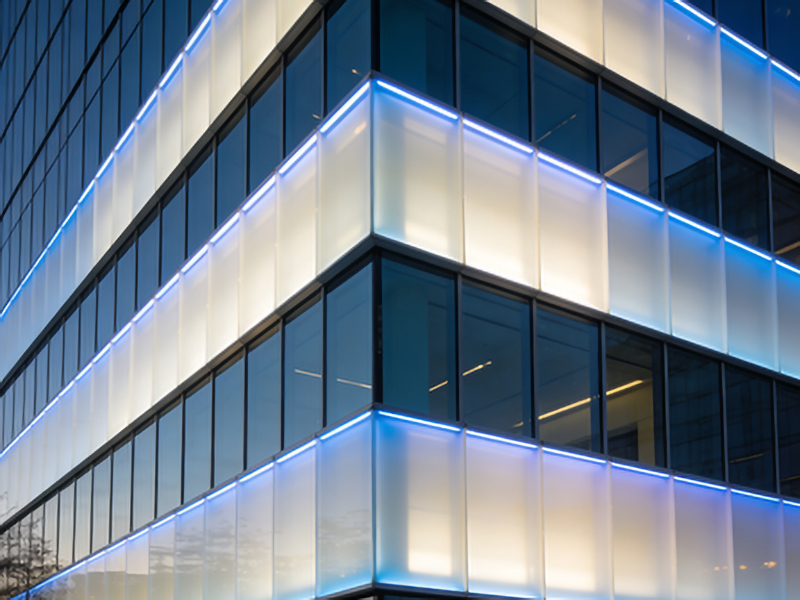
Applications of Translucent POF in Architecture
Translucent polycarbonate sheets find application in diverse architectural elements:
– Facade Cladding: Used as an outer layer for buildings to allow light penetration while offering weather protection.
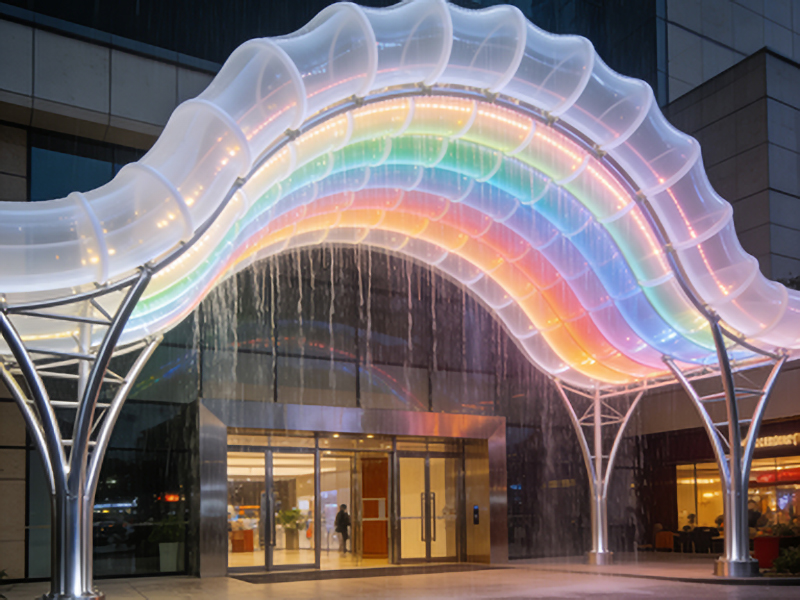
– Roofing and Canopies: Provides shade and aesthetic appeal, commonly used in walkways, patios, and commercial spaces.
– Interior Partitions: Creates semi-private spaces within interiors, maintaining openness while ensuring privacy.
– Skylights and Roof Windows: Replaces traditional glass with a safer, more durable alternative that enhances natural lighting.
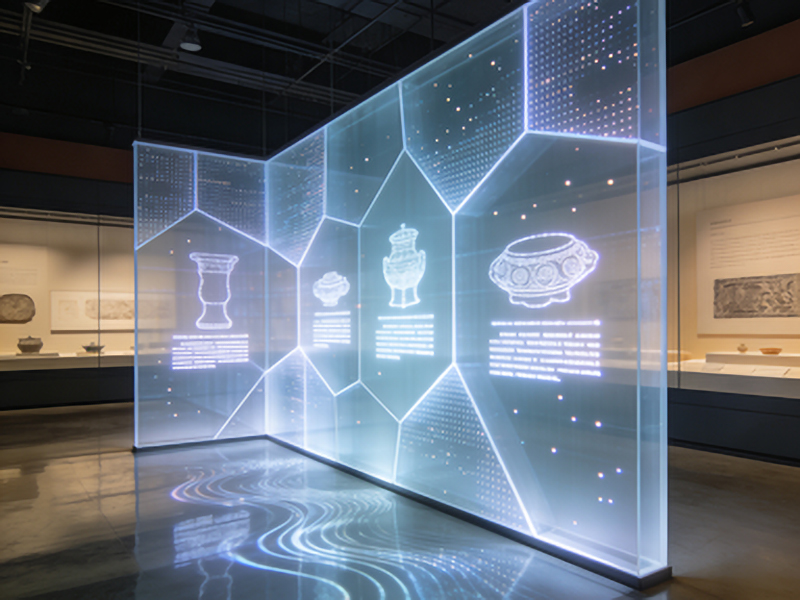
– Exhibition and Display Structures: Utilized in creating visually appealing displays and exhibition spaces with optimal light diffusion.
Design Considerations for Translucent POF
When integrating translucent POF into architectural designs, several factors must be considered:
1. Load-Bearing Capacity: Ensure the selected thickness can withstand expected loads, including snow, wind, and structural stress.
2. Weather Conditions: Assess local climate to determine appropriate UV protection and thermal insulation requirements.
3. Installation Techniques: Proper installation is crucial for maximizing performance; consult manufacturer guidelines for best practices.
4. Maintenance: While durable, regular cleaning can prevent dust accumulation and maintain optimal light transmission.
5. Aesthetic Integration: Coordinate with the overall design theme to ensure seamless integration of translucent elements.
Conclusion
Translucent polycarbonate sheets offer a modern, sustainable solution for architectural designs, balancing functionality, aesthetics, and environmental considerations. By understanding their technical parameters and applications, architects can leverage this material to create innovative, energy-efficient structures that enhance both form and function.