The Evolution of Indoor Lighting
Fiber optics have revolutionized the way we illuminate indoor spaces. By harnessing the principles of total internal reflection, these innovative systems allow light to travel through flexible fibers, offering unparalleled design flexibility.
Types of Fiber Optic Systems
1. End-Emitting Fibers: These fibers emit light from their ends, creating a focused beam ideal for task lighting or accentuating specific areas.
2. Side-Emitting Fibers: Emitting light along their length, these are perfect for ambient or mood lighting in large spaces.
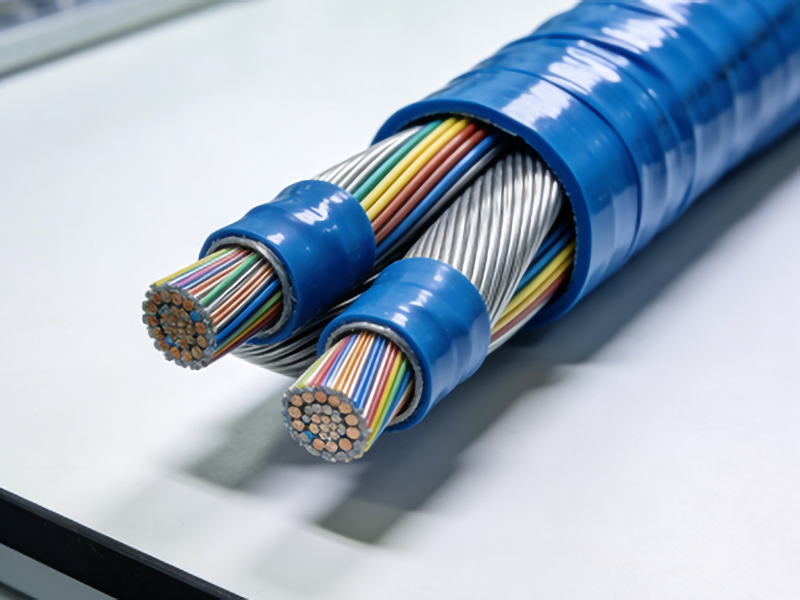
3. Bundle Fiber Optics: Comprising hundreds of individual fibers bundled together, they provide bright, even illumination suitable for general lighting needs.
Technical Parameters to Consider
– Numerical Aperture (NA): Determines the angle of light acceptance; higher NA means more light captured and transmitted.
– Core Diameter: Varies from 50µm to several hundred microns, affecting brightness and flexibility.
– Cladding Thickness: Influences fiber durability and bend radius capabilities.
– Connector Types: Options like ST, SC, or FC connectors ensure compatibility with various lighting fixtures.
Applications in Interior Design
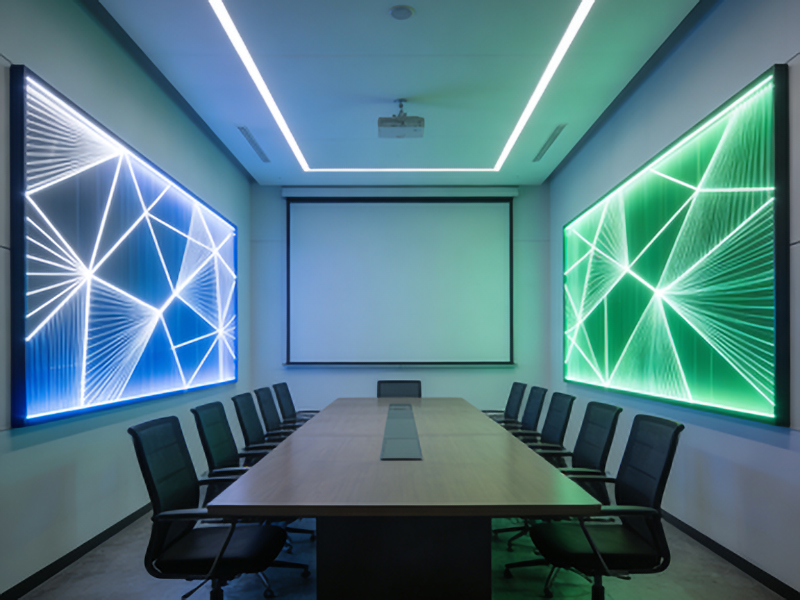
1. Accent Lighting: Highlight architectural features, art pieces, or decorative elements with precise, directional light.
2. Task Lighting: Provide focused illumination for workspaces or reading areas without glare.
3. Mood Lighting: Create a serene ambiance in living rooms, restaurants, or retail spaces by adjusting color and intensity.
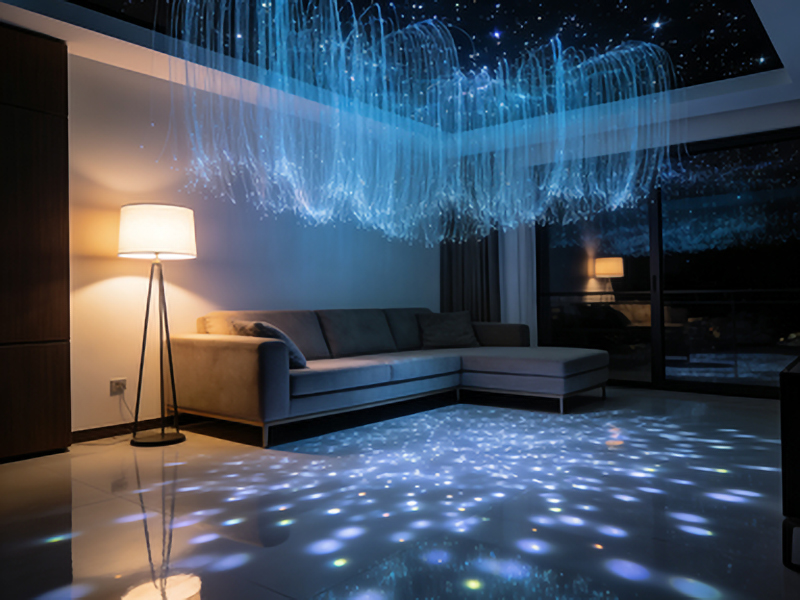
4. Special Effects: Use fiber optics to simulate natural lighting effects like starry skies or flowing water in themed environments.
Installation Tips and Best Practices
– Plan the Layout: Map out where fibers will be placed to ensure optimal coverage and minimize shadows.
– Choose the Right Source: Select LED light sources for energy efficiency and long lifespan, with color temperatures ranging from warm (2700K) to cool (6500K).
– Maintain Clean Connections: Keep fiber ends clean to prevent dust or contaminants from degrading light transmission.
– Consider Flexibility: Opt for fibers with appropriate bend radius to avoid signal loss and ensure durability.
Maintenance and Upkeep
– Regularly inspect connectors for dirt or damage, cleaning them gently with isopropyl alcohol.
– Replace faulty fibers promptly to maintain system integrity and performance.
– Update software or drivers if using programmable fiber optic systems to ensure compatibility and functionality.
Conclusion
Fiber optic lighting offers a versatile and sophisticated solution for enhancing indoor spaces. By understanding the types, applications, and technical aspects, you can effectively integrate this technology into your next lighting project, creating environments that are both functional and visually stunning.