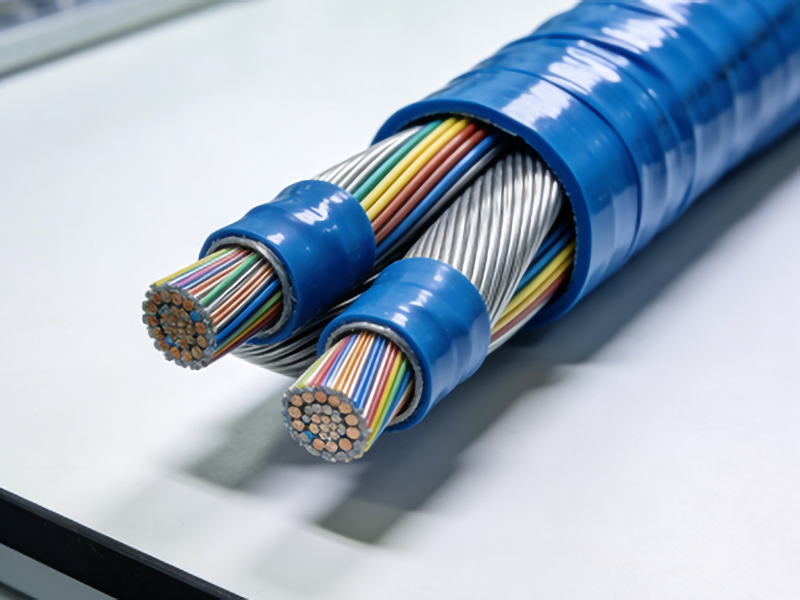

What is LAN Communication Over Plastic Optical Fiber?
Local Area Network (LAN) communication over Plastic Optical Fiber (POF) represents a cutting-edge solution for high-speed data transmission within confined network infrastructures. POF technology offers several advantages over traditional copper-based systems, making it an attractive option for modern networking needs.

Key Features of LAN Communication via POF
1. High-Speed Data Transmission: POF supports data rates up to 10 Gbps, ensuring fast and reliable communication within LAN environments.
2. Low Latency: With minimal signal delay, POF maintains real-time data integrity, crucial for applications requiring immediate responses.
3. Immunity to Electromagnetic Interference (EMI): Unlike copper cables susceptible to EMI, POF is immune, providing stable connections even in electrically noisy environments.
4. Cost-Effective: POF materials are more affordable than traditional optical fibers, reducing overall network infrastructure costs.
5. Flexibility and Durability: The plastic material offers excellent bend radius capabilities, making installation easier without compromising on durability.
Technical Parameters of LAN Communication via POF
– Bandwidth: Up to 10 GHz·km, supporting high-frequency data transmission.
– Attenuation: Typically less than 5 dB/km at 850 nm wavelength, ensuring minimal signal loss over distances.
– Connector Types: SC, LC, and ST connectors are commonly used for POF installations.
Applications of LAN Communication Over POF
1. Industrial Automation: POF is ideal for industrial settings where EMI interference is a concern, enabling seamless communication between machines and control systems.
2. Building Management Systems: Used in smart buildings for connecting sensors, controllers, and monitoring devices efficiently.
3. Data Centers: Enhances internal network connectivity with high-speed, low-latency links within data centers.
4. Medical Imaging: Utilized in medical equipment to ensure reliable communication without interference from nearby electronic devices.
5. AV Equipment: Connects audio-visual systems in conference rooms and entertainment setups, providing crystal-clear signal transmission.
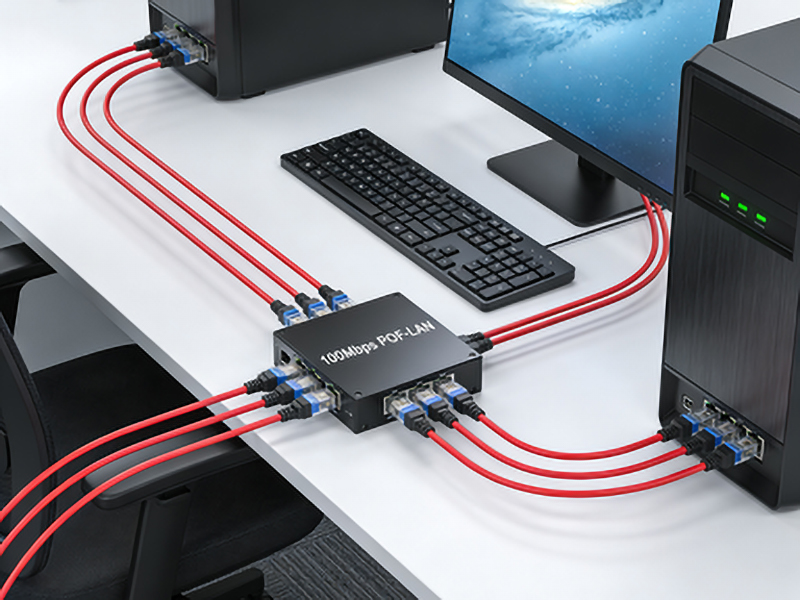
Benefits of Implementing POF in LAN Communication
1. Enhanced Performance: Higher data rates and lower latency compared to copper cables lead to improved network performance.
2. Reduced Costs: Lower material costs and easier installation reduce the overall expenses associated with network setup.
3. Scalability: Easily scalable to accommodate growing network demands without significant infrastructure changes.
4. Environmental Sustainability: POF is more eco-friendly, contributing to greener IT solutions due to reduced energy consumption and recyclable materials.
Challenges and Considerations
While POF offers numerous advantages, there are challenges to consider:
1. Limited Distance Capabilities: POF has a shorter maximum transmission distance compared to glass optical fibers (typically up to 500 meters for POF vs. several kilometers for GOF).
2. Connector and Adapter Compatibility: Ensuring compatibility with existing network infrastructure may require additional adapters or converters.
3. Temperature Sensitivity: POF is more sensitive to temperature fluctuations, which can affect signal quality in extreme conditions.
Conclusion
LAN communication over Plastic Optical Fiber stands out as a viable solution for modern networking needs, offering high-speed, reliable, and cost-effective data transmission. Its immunity to EMI, flexibility, and scalability make it an excellent choice for various applications across industries. As technology continues to evolve, POF is expected to play a significant role in future LAN infrastructure development.
For more information on implementing POF in your network setup or to explore related technologies, visit [TechXpert](https://www.techxpert.com) today.