Consumer Electronics Connecting POF
The world of consumer electronics is constantly evolving, with manufacturers striving to deliver innovative solutions that meet the growing demands of users. One such advancement is the integration of POF (Plastic Optical Fiber) technology into various electronic devices. This article delves into how POF enhances connectivity in consumer electronics, offering insights into its benefits and applications.
What is POF Technology?
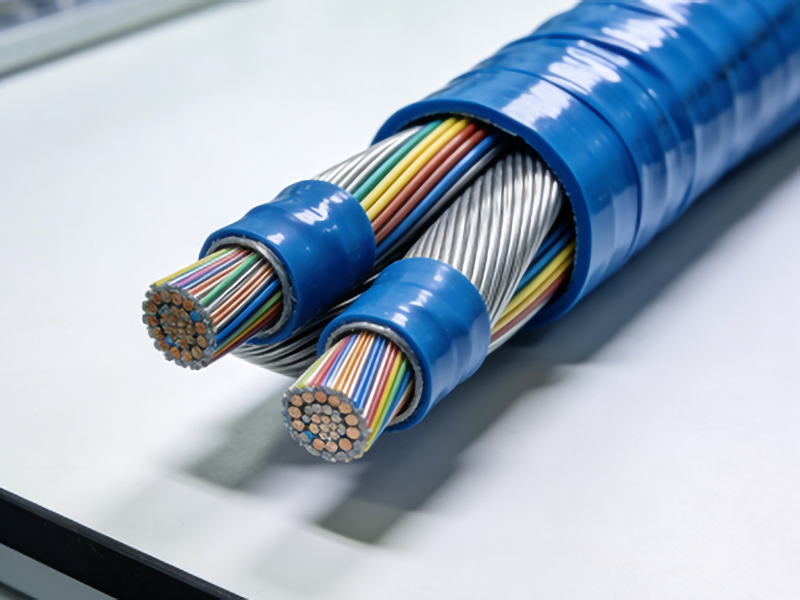
POF stands for Plastic Optical Fiber, a type of optical fiber that uses plastic as the core material instead of glass. Unlike traditional glass-based fibers, POF is more flexible, lightweight, and cost-effective, making it ideal for consumer electronics where space and weight are critical factors.
Benefits of POF in Consumer Electronics
1. High-Speed Data Transfer: POF supports high-speed data transmission rates, up to 10 Gbps, enabling faster communication between devices.
2. Low Latency: With minimal signal delay, POF ensures real-time data transfer, crucial for applications like gaming and video streaming.
3. Flexibility and Durability: The plastic material allows POF cables to bend without breaking, making them suitable for wearable devices and other portable electronics.
4. Cost-Effective: Compared to glass fibers, POF is more affordable to produce and install, reducing overall costs for manufacturers and consumers.
Applications of POF in Consumer Electronics
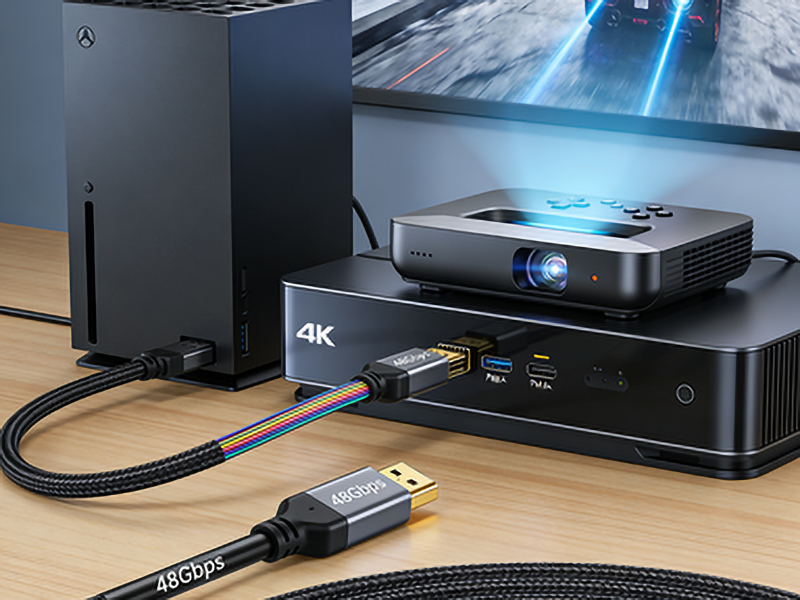
1. Televisions and Monitors: POF cables are used to connect high-resolution displays, ensuring crisp and clear visuals with minimal signal loss.
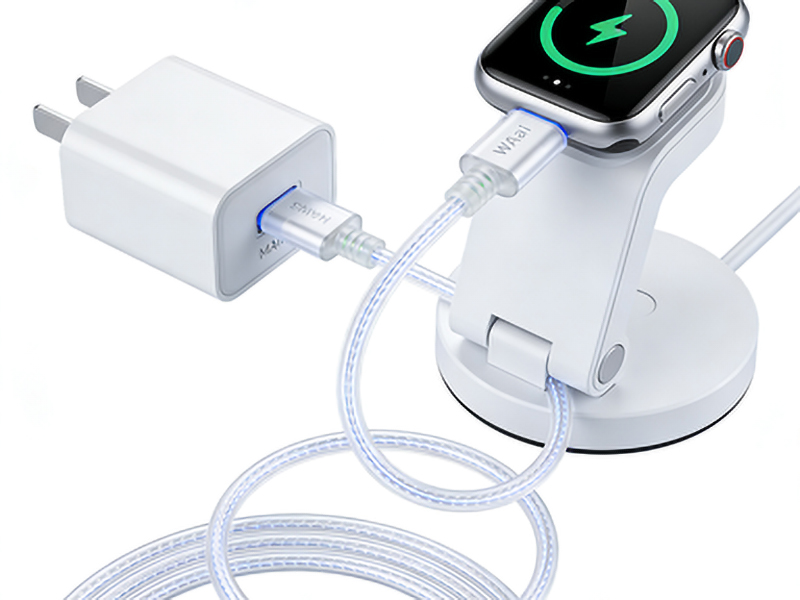
2. Smartphones and Tablets: Integrating POF into mobile devices enhances data transfer speeds between peripherals like docks and charging stations.
3. Wearable Technology: The flexibility of POF makes it perfect for use in fitness trackers, smartwatches, and other wearable devices.
4. Home Networking: POF technology is employed in creating robust home networks, providing stable connections for IoT devices, gaming consoles, and streaming services.
Technical Parameters and Indicators
– Bandwidth: Up to 10 GHz, ensuring high-speed data transmission.
– Attenuation: Low signal loss over distances, typically around 0.4 dB/km at 850 nm wavelength.
– Flexibility: Bend radius as low as 25 mm, allowing for versatile installation in compact devices.
– Connector Types: SC, LC, and ST connectors are commonly used with POF cables to ensure compatibility across different systems.
Challenges and Future Prospects
While POF offers numerous advantages, it also presents some challenges. The limited transmission distance compared to glass fibers can be a drawback in large-scale applications. Additionally, the need for precise manufacturing processes to maintain optical integrity adds complexity to production.
Looking ahead, advancements in materials science are expected to enhance the performance of POF further. Innovations like multi-mode POF and improved connector designs aim to overcome current limitations, making POF even more versatile and widely adopted in consumer electronics.
Conclusion
The integration of POF technology into consumer electronics is a significant leap forward in achieving faster, more reliable, and cost-effective connectivity. As manufacturers continue to innovate, POF will play an increasingly important role in shaping the future of electronic devices, offering enhanced performance and user experience.