
Introduction
Full-Body Light-Emitting POF (Plastic Optical Fiber) is an advanced technology that integrates light-emitting capabilities throughout an entire body structure. This system leverages the unique properties of plastic optical fibers to deliver uniform illumination across large areas, making it ideal for a wide range of applications.

Technical Overview
What is Full-Body Light-Emitting POF?
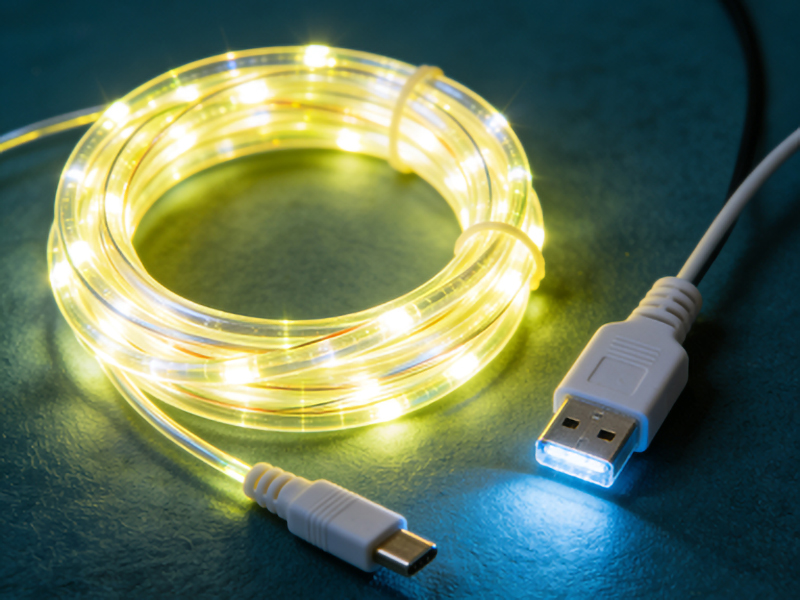
Full-Body Light-Emitting POF refers to a system where multiple light sources are embedded within or alongside plastic optical fibers. These fibers efficiently guide and emit light across their entire length, providing consistent illumination without hotspots.
Key Components
1. Plastic Optical Fibers (POF): Made from high-quality polymers like PMMA (Polymethyl Methacrylate), POF offers excellent light transmission properties.
2. Light Sources: Typically LED-based, these sources are small, energy-efficient, and provide precise control over light output.
3. Control Systems: Electronic systems manage the intensity, color, and timing of light emission to suit specific application needs.
Technical Specifications
– Light Output Intensity: Ranges from 100 to 5000 mcd (milli-candela), depending on the application.
– Color Options: Supports RGB configurations for customizable lighting effects.
– Power Consumption: Low power usage, typically between 1W and 5W per meter of fiber, ensuring energy efficiency.
– Durability: Fibers are flexible and resistant to environmental factors like temperature fluctuations and UV exposure.
Applications
Medical Applications
Full-Body Light-Emitting POF is revolutionizing medical fields with its ability to deliver precise light therapy. Applications include:
1. Photodynamic Therapy (PDT): Used in cancer treatment by targeting specific areas with light-sensitive drugs activated by the emitted light.
2. Wound Healing: Low-level laser therapy enhances tissue repair and reduces inflammation.
3. Dermatology: Effective for treating skin conditions like psoriasis and acne through targeted light exposure.
Wearable Technology
The integration of Full-Body Light-Emitting POF in wearable devices offers new possibilities:
1. Smart Clothing: Fibers embedded into fabrics provide dynamic lighting effects, enhancing both functionality and aesthetics.
2. Health Monitoring: Continuous light emission can be used for non-invasive monitoring of vital signs such as blood oxygen levels.
3. Interactive Garments: Enables gesture control and communication through light-based interfaces.

Advantages and Limitations
Advantages
– Uniform Illumination: Ensures even light distribution across large areas without hotspots or shadows.
– Energy Efficiency: Low power consumption makes it suitable for battery-powered devices.
– Flexibility: The soft, bendable nature of POF allows integration into various shapes and forms.
– Cost-Effective: Lower material costs compared to traditional optical fibers make it accessible for widespread use.
Limitations
– Limited Light Transmission Distance: While efficient, the light intensity diminishes over longer lengths of fiber.
– Environmental Sensitivity: POF can degrade under prolonged UV exposure or extreme temperatures, necessitating protective coatings.
– Color Fading Over Time: Continuous use may lead to slight color shifts in emitted light due to polymer aging.
Conclusion
Full-Body Light-Emitting POF represents a significant advancement in optical fiber technology, offering versatile applications across medicine and wearable tech. Its ability to provide uniform, customizable illumination makes it an invaluable tool for innovation in these fields. As research continues, we can expect further enhancements in efficiency and durability, solidifying its role in future technological advancements.