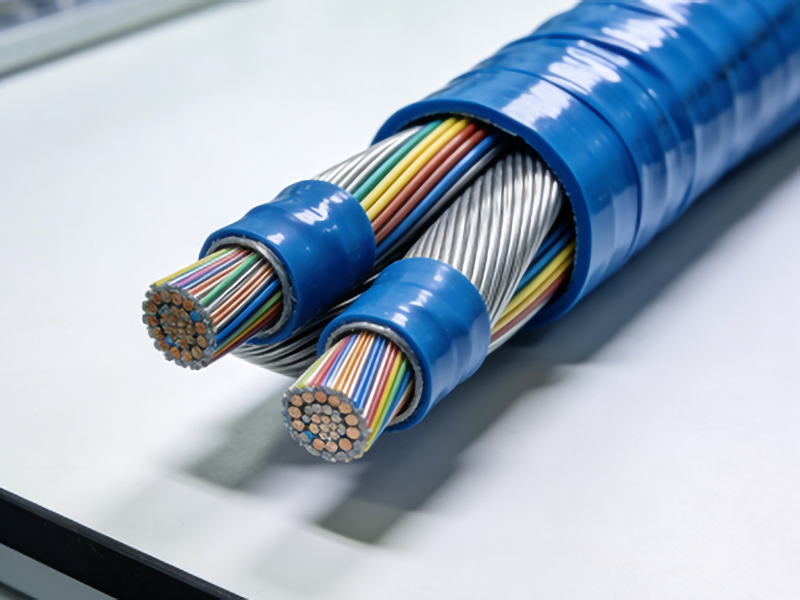

Understanding Halogen-Free Smoke-Suppressant POF: Properties and Applications
Polyolefin fibers (POF) are synthetic materials widely used across various industries due to their excellent mechanical properties, chemical resistance, and thermal stability. Among these, halogen-free smoke-suppressant POF stands out as a critical material in fire safety engineering. This article delves into the characteristics, benefits, and applications of this innovative material.

What is Halogen-Free Smoke-Suppressant POF?
Halogen-free smoke-suppressant polyolefin fibers are engineered materials designed to minimize smoke emission during combustion while avoiding the use of halogens. Unlike traditional flame retardants that rely on bromine or chlorine-based compounds, these fibers incorporate alternative additives to suppress smoke generation. This makes them environmentally friendly and safer for human health.
Key Properties of Halogen-Free Smoke-Suppressant POF
1. Low Smoke Emission: The primary function of these fibers is to reduce smoke production during a fire. This is achieved through the use of specific additives that inhibit the formation of thick, toxic smoke, improving visibility and escape routes.
2. Non-Halogenated Chemistry: By eliminating halogens, these materials avoid the release of hazardous gases like hydrogen bromide or dioxins, which are typically produced by halogen-containing flame retardants. This makes them more eco-friendly and reduces long-term environmental impact.
3. Excellent Thermal Stability: These fibers maintain their structural integrity at high temperatures, ensuring they perform reliably in fire scenarios. Their thermal stability is a critical factor in maintaining fire barriers and slowing down the spread of flames.
4. High Tensile Strength: Halogen-free smoke-suppressant POFs offer robust mechanical properties, making them suitable for applications that require durability and resilience against environmental stressors.
5. Chemical Resistance: These fibers exhibit strong resistance to various chemicals, enhancing their longevity in diverse industrial settings.
Technical Parameters of Halogen-Free Smoke-Suppressant POF
When evaluating halogen-free smoke-suppressant polyolefin fibers, several technical parameters are essential:
– Limiting Oxygen Index (LOI): Measures the material’s resistance to ignition. Higher LOI values indicate better fire resistance.
– Smoke Density: Assessed through standardized tests like ISO 5659-2, this parameter quantifies the amount of smoke produced during combustion.
– Heat Release Rate (HRR): Indicates how quickly heat is released during a fire. Lower HRR materials are preferable for fire safety.
– Thermal Conductivity: Reflects the material’s ability to conduct heat, influencing its performance in thermal insulation applications.
– Tensile Strength: Evaluated through ASTM D885 or ISO 37 standards, this parameter measures the fiber’s resistance to breaking under tension.
Applications of Halogen-Free Smoke-Suppressant POF
1. Fire Safety Systems: These fibers are integral in fire-resistant insulation materials, intumescent coatings, and fire barriers used in buildings, ships, and aircraft.
2. Building Materials: Used in construction for fire-rated wall linings, ceilings, and partitions to enhance building safety standards.
3. Transportation Industry: Applied in automotive interiors,飞机内部装饰,船舶和火车的防火材料。
4. Electrical and Electronics: Employed in insulation materials for wires and cables to prevent fire propagation and reduce smoke emission in case of electrical failures.
5. Textile Industry: Used in manufacturing fire-resistant textiles for protective clothing, curtains, and upholstery.
Benefits of Halogen-Free Smoke-Suppressant POF
– Environmental Friendliness: The absence of halogens reduces the environmental footprint and avoids hazardous byproducts during production and combustion.
– Improved Fire Safety: Lower smoke emission enhances visibility in emergency situations, aiding evacuation and firefighting efforts.
– Longevity and Durability: High tensile strength and chemical resistance ensure that these materials maintain their performance over time, reducing maintenance needs.
– Regulatory Compliance: Halogen-free materials often meet stringent international fire safety standards, facilitating compliance with global regulations.
Challenges and Considerations
While halogen-free smoke-suppressant POF offers numerous advantages, there are challenges to consider:
1. Higher Costs: The specialized additives used in these fibers can increase production costs compared to conventional materials.
2. Performance Trade-offs: Achieving optimal smoke suppression without halogens may require balancing with other properties like flexibility or cost-effectiveness.
3. Material Availability: Limited availability of certain non-halogenated additives might affect supply chain reliability.
Conclusion
Halogen-free smoke-suppressant polyolefin fibers represent a significant advancement in fire safety engineering, offering a safer, more environmentally friendly alternative to traditional materials. Their ability to suppress smoke without relying on halogens makes them indispensable in industries where fire safety is paramount. As research and development continue, we can expect even more innovative solutions that enhance both safety and sustainability.