Introduction
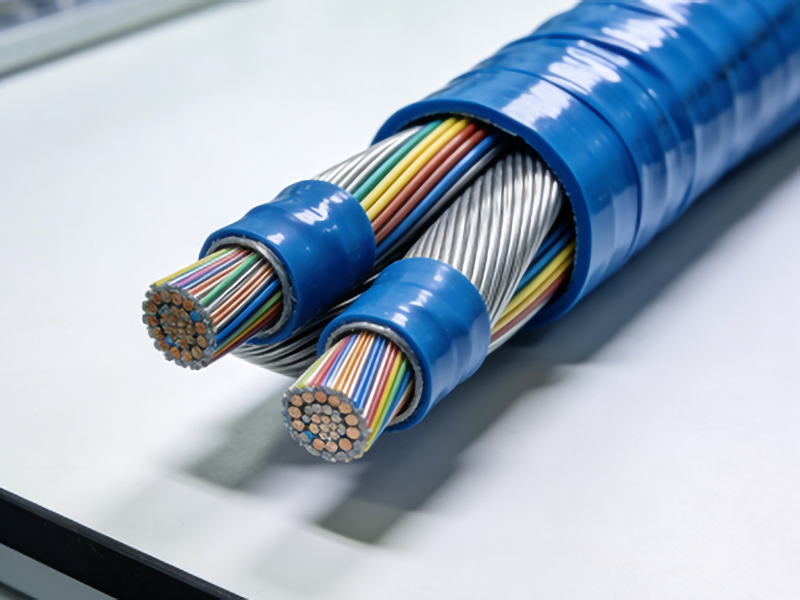
Plastic Optical Fiber (POF) has emerged as a versatile solution for various optical communication needs. Among its many types, Easy-Cut POF stands out due to its ease of use and reliability. This article delves into the characteristics, technical specifications, and applications of this innovative fiber technology.
What is Easy-Cut Plastic Optical Fiber?
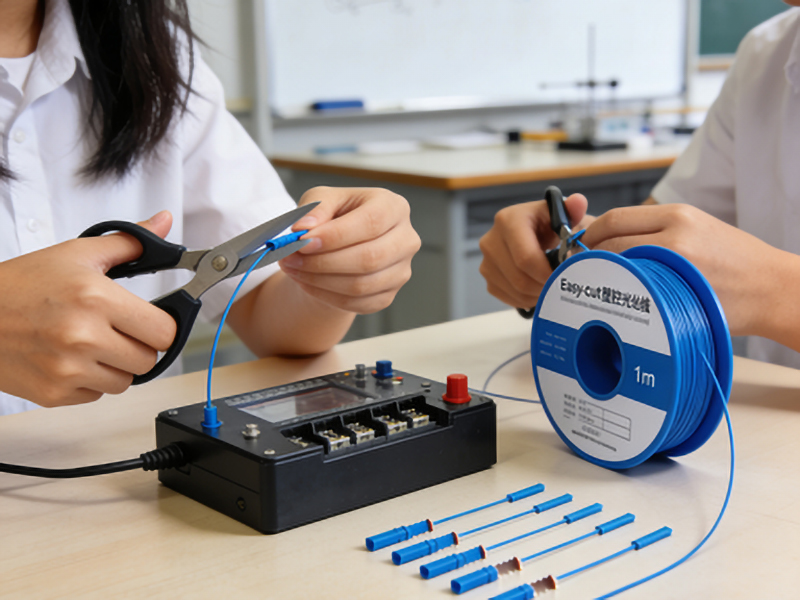
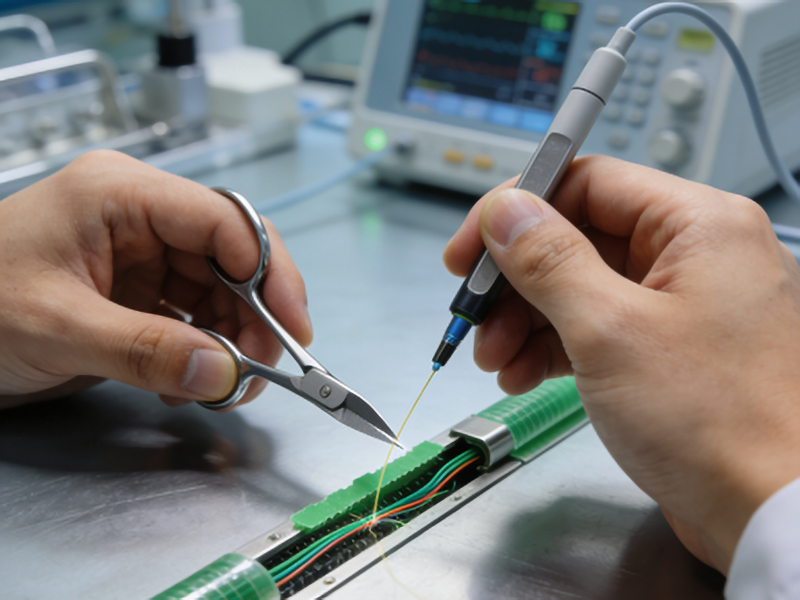
Easy-Cut POF is a type of plastic optical fiber designed for simplified installation and handling. Unlike traditional glass fibers, which require precision tools and expertise to cut and splice, Easy-Cut POF is engineered with features that make it more user-friendly while maintaining high performance.
Key Features and Benefits
1. User-Friendly Design
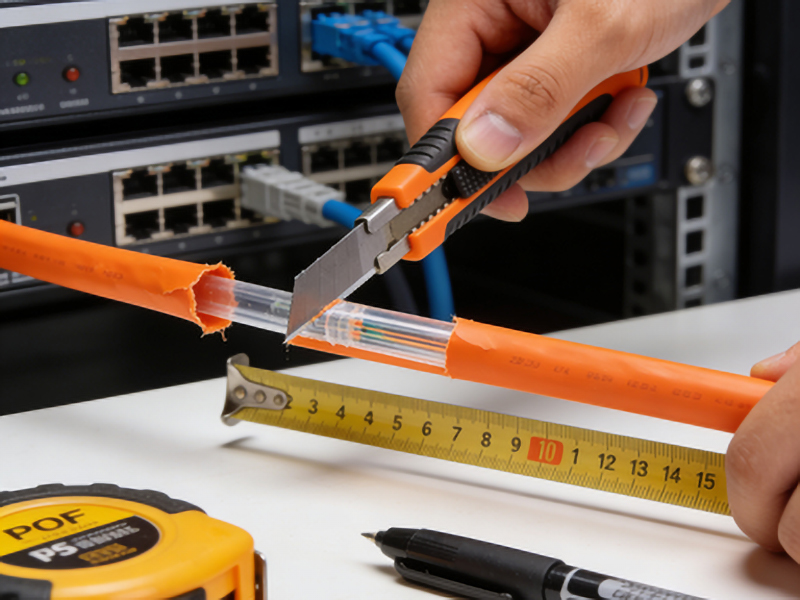
Easy-Cut POF minimizes the need for specialized tools or extensive training. Its design allows for precise cuts using standard fiber optic cutters, reducing installation time and costs.
2. High Performance
Despite its ease of use, Easy-Cut POF maintains excellent optical properties, including low attenuation and high bandwidth, ensuring reliable data transmission over long distances.
3. Cost-Effective
The simplified installation process reduces labor costs and minimizes the risk of errors, making it a cost-effective solution for various applications.
Technical Specifications
Core Diameter
– Typical Range: 500 μm to 1 mm
– Material: High-quality polymer materials optimized for light transmission.
Cladding Diameter
– Standard Sizes: 625 μm, 1000 μm
– Material: Same as core material for optimal light retention and minimal signal loss.
Attenuation
– At 850 nm (common wavelength): Less than 5 dB/km
– Advantage: Lower attenuation means longer transmission distances without signal degradation.
Bandwidth
– Typical Bandwidth: Up to 1 GHz·km
– Application: Suitable for high-speed data transmission in industrial and communication networks.
Applications of Easy-Cut POF
1. Industrial Networking
Used in factory automation, robotics, and process control systems where reliable and fast data transfer is critical.
2. Automotive Communication
Integral part of vehicle networking, enabling efficient communication between different subsystems.
3. Telecommunications
Ideal for short-distance communication within buildings or campuses, offering high-speed data transmission with low latency.
4. Medical Equipment
Used in medical devices where precise and reliable data transmission is essential for patient monitoring systems.
Advantages Over Traditional Glass Fibers
– Ease of Handling: No need for expensive tools or skilled personnel.
– Cost Efficiency: Lower material costs and simpler installation reduce overall expenses.
– Durability: Resistant to environmental factors, making it suitable for a wide range of applications.
Challenges and Limitations
While Easy-Cut POF offers numerous advantages, it also has some limitations:
– Limited Distance Capabilities: Compared to glass fibers, its transmission distance is shorter due to higher attenuation.
– Bandwidth Constraints: Although sufficient for many applications, it may not meet the demands of high-speed, long-distance networks.
Conclusion
Easy-Cut Plastic Optical Fiber represents a significant advancement in optical communication technology. Its combination of ease of use, high performance, and cost-effectiveness makes it an ideal choice for various industrial, automotive, medical, and telecommunication applications. As technology continues to evolve, Easy-Cut POF is expected to play a crucial role in meeting the growing demands of modern networking systems.