Introduction
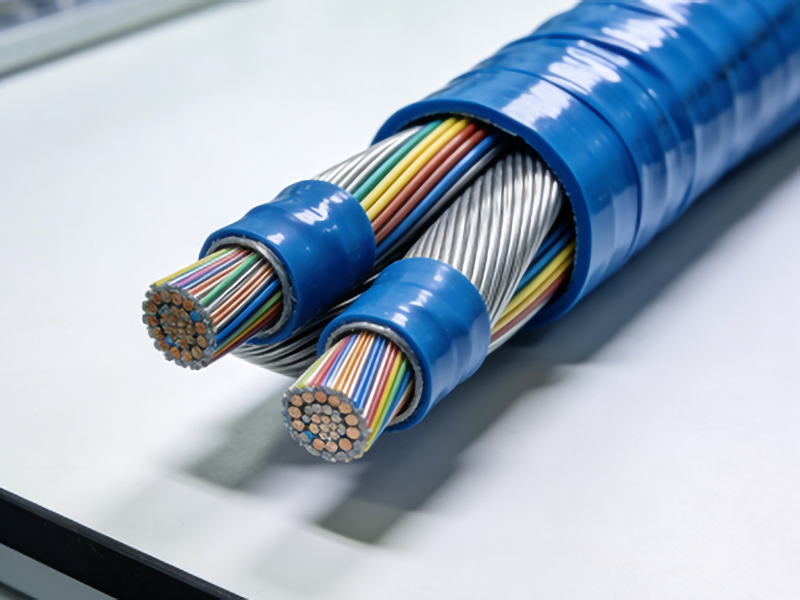
Plastic Optical Fiber (POF) has emerged as a game-changer in the field of optical communication and data transmission. Among its many variants, Lightweight Flexible POF stands out for its unique combination of durability, flexibility, and ease of use. This article delves into the features, applications, and benefits of this versatile material, providing insights into why it’s becoming a preferred choice across multiple industries.
What is Lightweight Flexible POF?
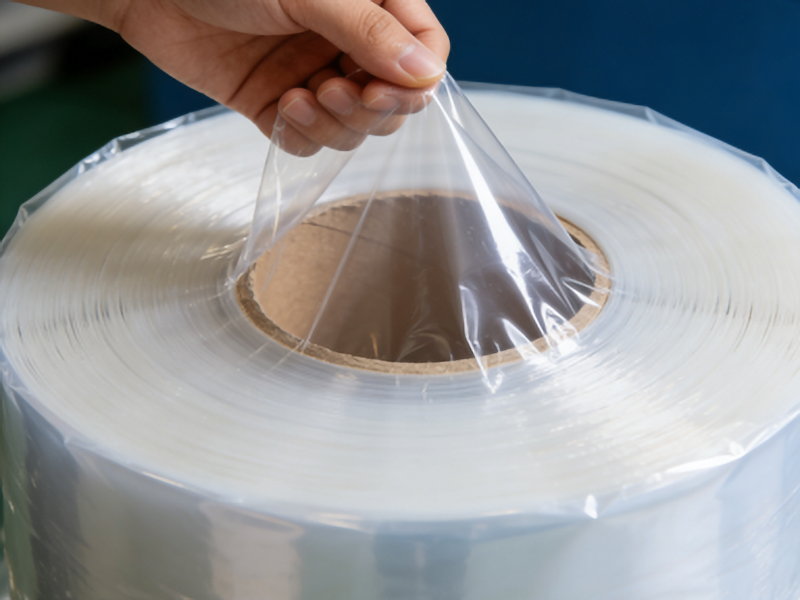
Lightweight Flexible POF refers to a type of plastic optical fiber designed for high flexibility and reduced weight compared to traditional glass or heavier plastic fibers. It maintains the essential properties required for efficient light transmission while offering enhanced bendability and portability.
Key Features
– High Flexibility: The material allows repeated bending without affecting performance, making it ideal for dynamic environments.
– Low Weight: Significantly lighter than conventional POF, reducing strain during installation and handling.
– Excellent Light Transmission: Despite its flexibility, it maintains high data transmission efficiency with minimal loss.
– Durability: Resistant to environmental factors such as temperature fluctuations and UV exposure, ensuring long-term reliability.
Technical Parameters of Lightweight Flexible POF
Understanding the technical specifications is crucial for selecting the right POF solution. Here are key parameters to consider:
– Core Diameter: Typically ranges from 0.5mm to 1mm, affecting bandwidth and signal clarity.
– Cladding Diameter: Usually between 0.7mm to 1.2mm, providing protection and preventing light leakage.
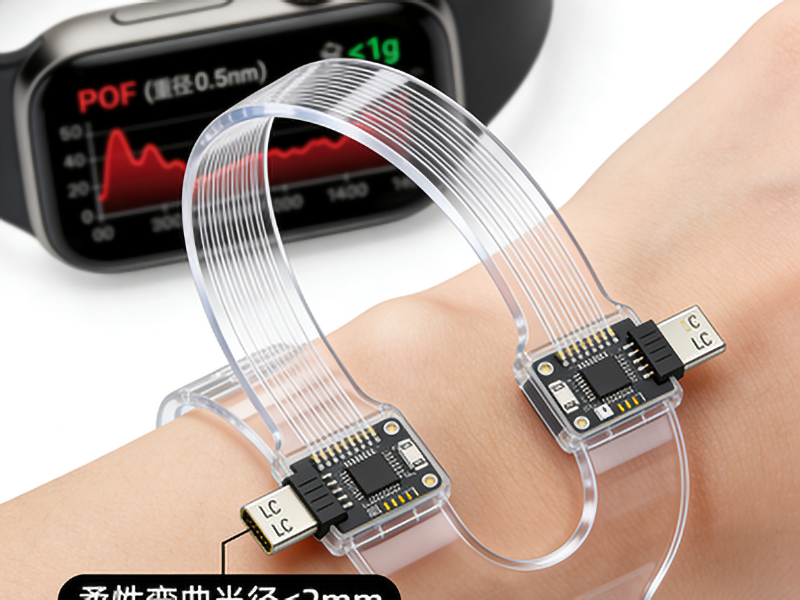
– Bend Radius: As low as 3mm, enabling tight bends without signal degradation.
– Tensile Strength: Up to 50N, ensuring resistance against stretching and breakage.
– Operating Temperature Range: From -40°C to +85°C, suitable for a wide range of environments.
Applications of Lightweight Flexible POF
Lightweight Flexible POF finds application across various sectors due to its adaptability and performance. Some key areas include:
1. Industrial Automation
– Robots and CNC Machines: Used in control systems for real-time data transmission, ensuring precise operations.
– Sensor Networks: Ideal for connecting sensors in harsh industrial environments, providing reliable communication.
2. Automotive Industry
– Vehicle Networking: Employed in vehicle-to-everything (V2X) communication systems for efficient data transfer.
– Interior Lighting: Flexible POFs are used to distribute light within vehicles, enhancing aesthetics and functionality.
3. Medical Devices
– Endoscopic Equipment: Lightweight and flexible, making them suitable for minimally invasive procedures.
– Patient Monitoring Systems: Ensures seamless data transmission in critical healthcare settings.
4. Consumer Electronics
– Home Automation: Used in smart home systems for connecting devices securely and efficiently.
– Wearable Technology: Incorporates POFs to provide lightweight, durable connectivity solutions.
Benefits of Lightweight Flexible POF
The advantages of using Lightweight Flexible POF are manifold:
1. Enhanced Connectivity
Lightweight Flexible POF offers reliable data transmission with minimal signal loss, ensuring high-quality communication in various applications.
2. Cost-Effective Solutions
Compared to traditional glass fibers, Lightweight Flexible POF is more economical to produce and install, making it a cost-effective choice for many industries.
3. Improved Installation and Maintenance
The flexibility and lightweight nature of these fibers simplify installation processes and reduce the need for heavy machinery or specialized tools.
4. Environmental Resistance
Designed to withstand harsh conditions, Lightweight Flexible POF ensures long-term performance without degradation, even in challenging environments.
Conclusion
Lightweight Flexible POF is revolutionizing optical communication with its unique blend of flexibility, durability, and efficiency. Its versatility across industries underscores its value as a modern solution for connectivity challenges. As technology advances, Lightweight Flexible POF will continue to play a pivotal role in shaping the future of data transmission and optical systems.