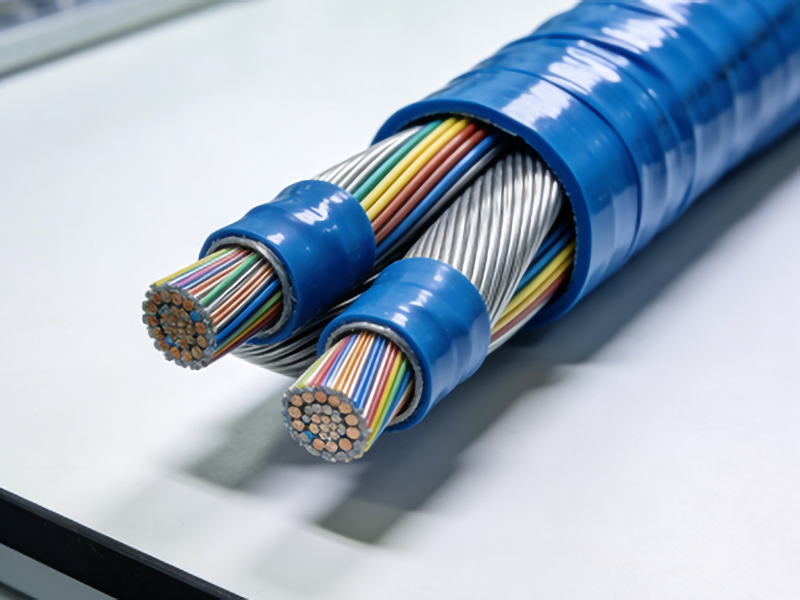
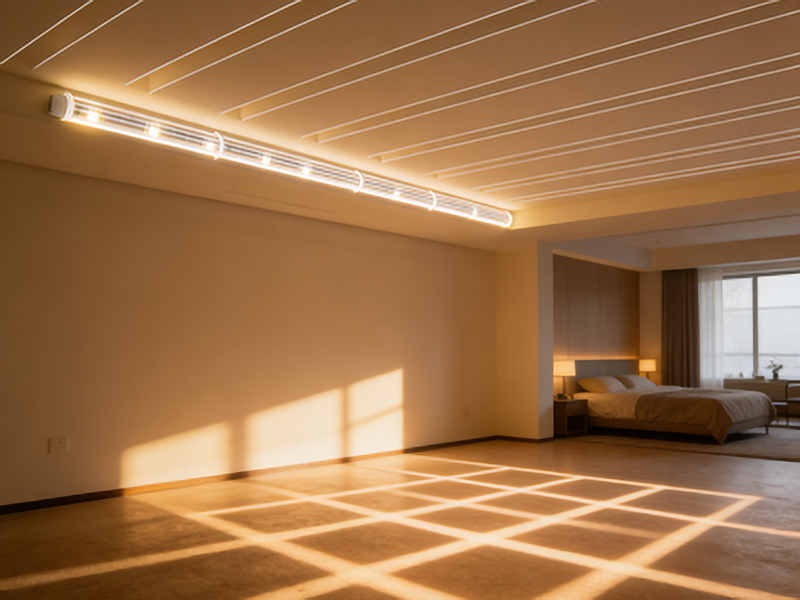
The Art of Illuminating Spaces with Light-Guiding POF
Plastic Optical Fibers (POF) have emerged as a game-changer in the world of decorative lighting, offering unparalleled flexibility and aesthetic appeal. These fibers, known for their ability to guide light efficiently, are revolutionizing how we illuminate our spaces.
What Are Light-Guiding POF?
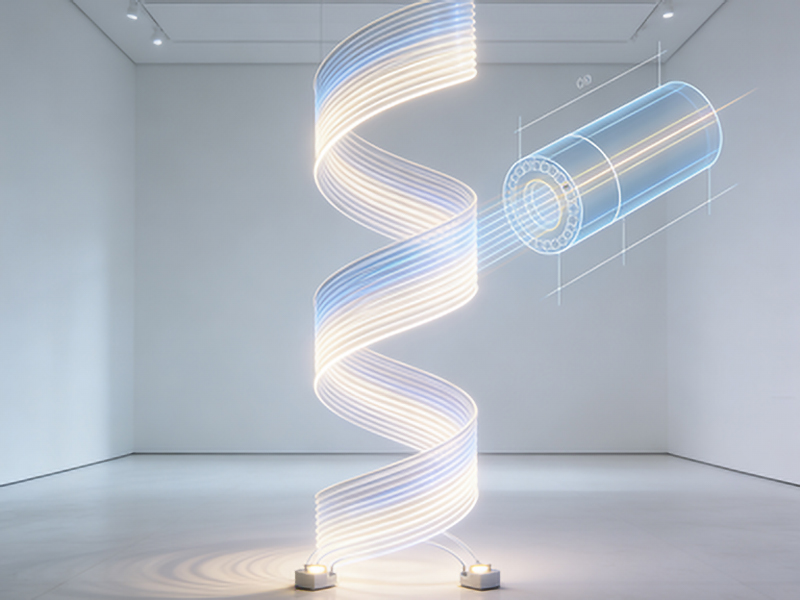
Light-guiding POF, or Plastic Optical Fibers, are thin strands of plastic that transmit light from a source to a desired location. Unlike traditional lighting methods, POFs allow for precise control over the direction and intensity of light, making them ideal for decorative applications.
Technical Specifications of Light-Guiding POF
– Core Diameter: Typically ranges between 0.5mm to 2mm, determining the brightness and flexibility of the fiber.
– Cladding: Usually made from a lower refractive index material than the core, ensuring total internal reflection and efficient light transmission.
– Transmission Loss: Varies with wavelength and fiber length; shorter fibers and specific wavelengths (like red or orange) offer better efficiency.
– Flexibility: High flexibility allows for intricate designs without compromising light integrity.
Applications in Interior Design
1. Wall Lighting: Create elegant, glowing patterns on walls using POF embedded within the wall structure or as surface-mounted strips.
2. Ceiling Installations: Use POF to design starry skies or dynamic lighting effects that can be controlled via smart systems.
3. Furniture Integration: Incorporate POF into furniture to provide subtle, ambient lighting that enhances both functionality and aesthetics.
4. Artistic Lighting: Artists use POF to create three-dimensional light sculptures, adding a touch of modernity to any space.
5. Architectural Accents: Highlight architectural features like beams, columns, or staircases with POF for a sophisticated look.
Benefits of Using Light-Guiding POF
– Energy Efficiency: By directing light precisely where needed, POF reduces energy waste compared to traditional lighting methods.
– Design Flexibility: The thin and flexible nature of POF allows for creative installations that adapt to any architectural style.
– Longevity: High-quality POFs are durable and have a long lifespan, ensuring sustained performance over time.
– Cost-Effective: Despite initial setup costs, the energy savings and longevity make POF a cost-effective solution in the long run.
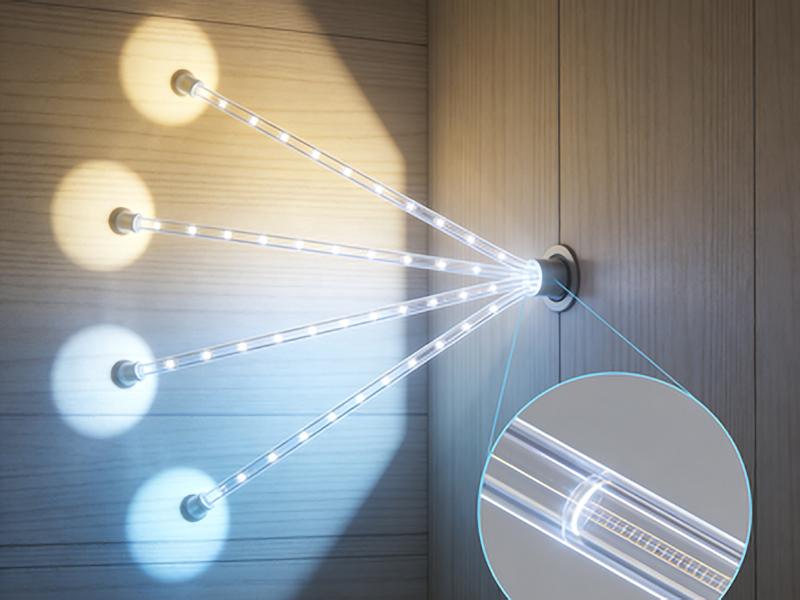
Choosing the Right Light-Guiding POF
When selecting POF for your project, consider:
– Brightness Needs: Determine the required light intensity based on the application.
– Color Options: Choose from a variety of colors or opt for clear fibers to customize the lighting effect.
– Durability Requirements: Select POF that can withstand environmental factors like temperature and humidity.
Installation Tips
1. Plan the Layout: Sketch out the design to ensure optimal light distribution and aesthetic appeal.
2. Use Quality Connectors: Invest in connectors that minimize light loss and maintain fiber integrity.
3. Test Before Finalizing: Conduct a test run to check for any defects or areas needing adjustment.
Maintenance and Care
– Regularly inspect the fibers for any signs of damage or discoloration.
– Clean using soft cloths to avoid scratching the surface, which can degrade light transmission over time.
The Future of Light-Guiding POF
As technology advances, we can expect even more innovative applications of POF in lighting design. Integration with smart home systems and advancements in fiber technology promise to make POF an indispensable tool for modern interior designers.
Conclusion
Light-guiding POF is not just a lighting solution; it’s a medium for artistic expression and functional illumination. By understanding its technical aspects and creative possibilities, you can transform any space into a luminous masterpiece.