Introduction
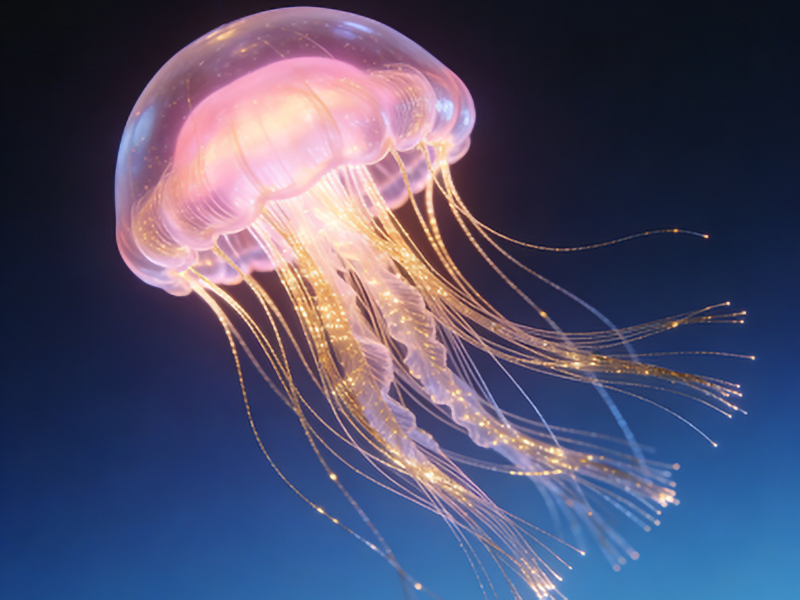
The world of fiber optics has seen remarkable advancements in recent years, with one of the most fascinating being the development of jellyfish shape fiber optic light. This innovative approach draws inspiration from the natural beauty and functionality of jellyfish, integrating their unique characteristics into cutting-edge lighting solutions. In this article, we will delve into the science behind jellyfish shape fiber optic lights, explore their applications, and discuss their technical specifications.
The Science Behind Jellyfish Shape Fiber Optic Lights
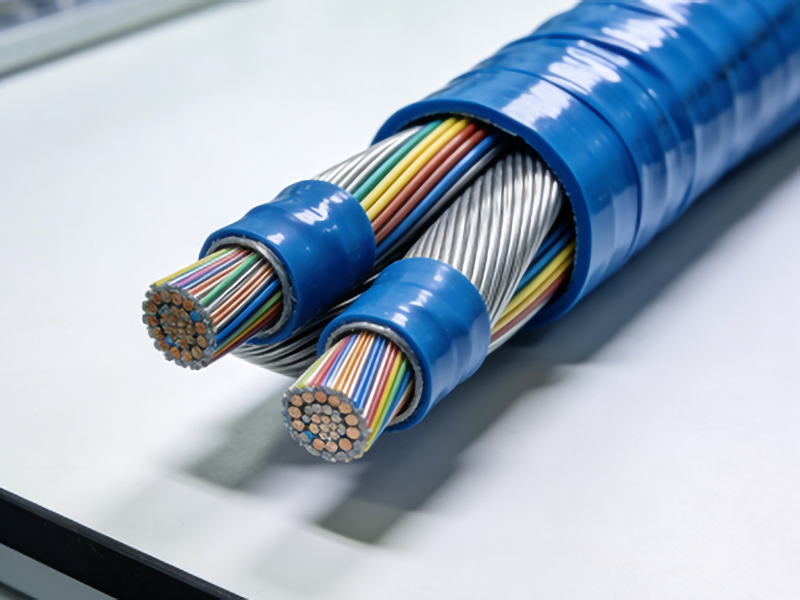
Fiber optics operate on the principle of total internal reflection, where light is transmitted through a glass or plastic fiber. Traditional fiber optic cables are cylindrical in shape, but jellyfish-inspired designs introduce a new dimension to this technology. The jellyfish’s bell-shaped form and its ability to emit bioluminescent light have been replicated in these fibers to enhance light propagation and aesthetic appeal.
Key Technical Parameters
1. Core Diameter: Typically ranges from 50 µm to several hundred micrometers, depending on the application. A larger core allows for more light to be transmitted but may reduce resolution.
2. Cladding Layer: Usually made of a material with a lower refractive index than the core, ensuring efficient total internal reflection. Common materials include silica and plastic.
3. Bend Radius: Jellyfish-shaped fibers can have varying bend radii, offering flexibility while maintaining signal integrity. This is crucial for applications requiring complex routing.
4. Transmission Loss: Measured in decibels per kilometer (dB/km), modern jellyfish shape fiber optic lights achieve low loss, often below 0.2 dB/km, ensuring minimal signal degradation over long distances.
5. Operating Wavelength: Ranges from visible light to near-infrared, making them versatile for different lighting and communication applications.
Applications of Jellyfish Shape Fiber Optic Lights
The jellyfish shape fiber optic light finds application in a variety of fields due to its unique properties:
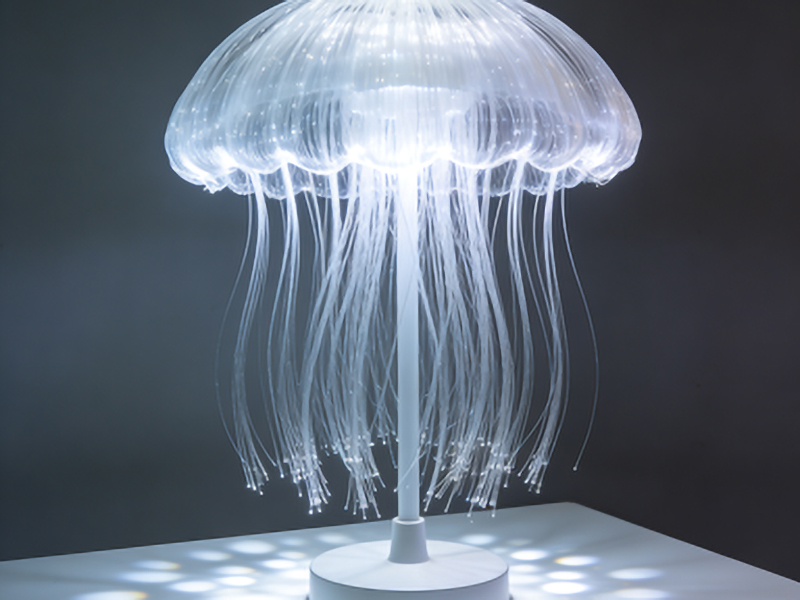
1. Aesthetic Lighting: Used in interior design, architecture, and decorative installations for their ethereal glow reminiscent of bioluminescent jellyfish.
2. Medical Applications: Employed in endoscopic devices for enhanced illumination, providing clearer images with minimal invasiveness.
3. Underwater Exploration: Mimicking the jellyfish’s natural habitat, these fibers are ideal for underwater lighting systems in marine research and exploration.
4. Fiber Optic Sensors: Leveraging their flexibility and light-transmitting capabilities, they serve as effective sensors in various environments.
5. Decorative Accessories: Popular in jewelry and wearable technology, offering a unique blend of functionality and style.
Advantages Over Traditional Fiber Optics
– Enhanced Aesthetic Appeal: The jellyfish shape adds a decorative element that traditional fibers lack.
– Improved Flexibility: Designed to bend more easily without signal loss, making them suitable for complex installations.
– Unique Light Diffusion: Mimics the soft, glowing light of jellyfish, providing a more natural and pleasant lighting experience.
– Biomimetic Design: By emulating nature, these fibers offer solutions that are both efficient and sustainable.
Challenges and Future Directions
While jellyfish shape fiber optic lights present numerous advantages, they also face challenges such as higher production costs due to complex manufacturing processes. Additionally, there is a need for standardized testing protocols to ensure consistent performance across different applications.
Looking ahead, advancements in nanotechnology could further enhance the efficiency and durability of these fibers. Integration with smart technologies like IoT (Internet of Things) opens possibilities for adaptive lighting systems that respond to environmental changes.
Conclusion
Jellyfish shape fiber optic lights represent a groundbreaking fusion of nature-inspired design and advanced optical technology. Their versatility, aesthetic appeal, and technical advantages make them a valuable addition to various industries. As research continues, we can expect even more innovative applications of this biomimetic wonder in the future.