Introduction
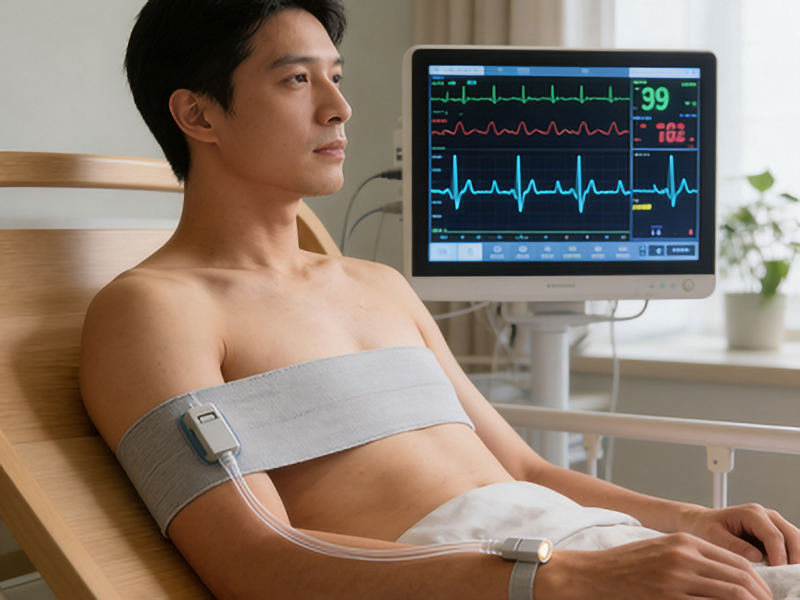
Portable Oxygen Generators (POGs), also known as Portable Oxygen Concentrators (POCs), have become indispensable in modern healthcare. These devices leverage Pressure Swing Adsorption (PSA) or Membrane Separation technologies to deliver oxygen-rich air, providing a lifeline for patients with respiratory conditions. This article explores the transformative impact of POF technology across various medical applications.
Key Features and Technical Specifications
POF devices typically operate at pressures between 0 and 5 psi, delivering up to 96% pure oxygen. They are lightweight, with models ranging from 2 to 7 pounds, making them ideal for on-the-go use. The flow rate varies between 1 and 10 liters per minute, catering to different patient needs.
Technical Parameters:
– Oxygen Concentration: 85%–96%
– Power Consumption: 10W–30W
– Battery Life: Up to 12 hours on a single charge
– Noise Level: Less than 45 dB
– Weight: 2 lb – 7 lb
– Dimensions: Compact design, suitable for easy portability
Applications in Medical Settings
1. Respiratory Support
POFs provide crucial support for patients with chronic obstructive pulmonary disease (COPD), asthma, and other respiratory illnesses. They offer a portable solution, enabling patients to maintain their mobility without compromising on oxygen therapy.
2. Emergency Response
In emergency situations, POFs are used by paramedics and first responders to stabilize patients before they reach the hospital. Their portability ensures that critical care can be administered in remote or hard-to-reach areas.
3. Telemedicine Integration
POFs are integral to telemedicine platforms, allowing remote monitoring of oxygen levels and providing immediate support during virtual consultations. This integration enhances the effectiveness of remote healthcare services.
4. Post-Surgical Care
Patients recovering from surgery benefit from POFs as they aid in faster recovery by ensuring adequate oxygen supply. The devices are particularly useful for patients who require mobility during their recovery period.
Benefits and Advantages
– Portability: Enables users to move freely without being tethered to stationary equipment.
– Durability: Built with high-quality materials, POFs withstand rigorous use in various environments.
– Ease of Use: Intuitive interfaces make these devices accessible even for those with minimal technical skills.
– Cost-Effective: Reduces reliance on bulky and expensive hospital-grade oxygen concentrators.
Challenges and Considerations
While POF technology offers numerous benefits, there are challenges to consider:
– Battery Life: Extended use may require frequent recharging or additional battery packs.
– Regulatory Compliance: Ensuring devices meet international safety and efficacy standards is crucial.
– Maintenance: Regular servicing is necessary to maintain optimal performance and longevity of the device.
Future Trends and Innovations
The future of POF technology in healthcare looks promising. Innovations such as:
– Improved Battery Efficiency: Longer-lasting batteries will enhance portability and usability.
– Smart Integration: Integration with IoT devices for real-time monitoring and data analysis.
– Miniaturization: Development of even smaller, more efficient units without compromising performance.
These advancements will further solidify the role of POFs in modern medical care.
Conclusion
Portable Oxygen Generators are transforming healthcare by offering reliable, portable oxygen solutions. Their versatility and ease of use make them an essential tool for both patients and healthcare providers. As technology continues to evolve, POFs will play an even more critical role in improving patient outcomes worldwide.