
Introduction
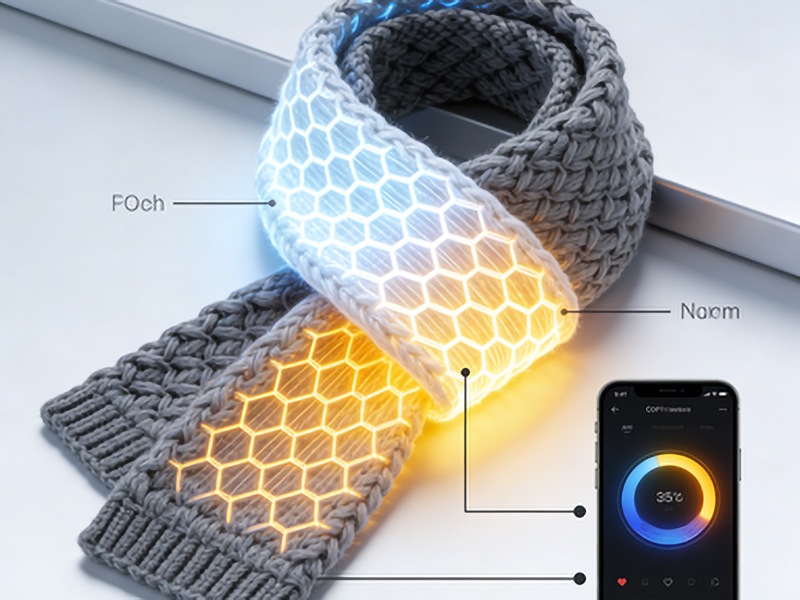
Optical Fiber (POF) technology has emerged as a game-changer in the realm of smart wearables, offering unparalleled capabilities in data transmission and sensing. This article delves into the intricacies of POF components and their pivotal role in advancing wearable technology.
What are Smart Wearable POF Components?
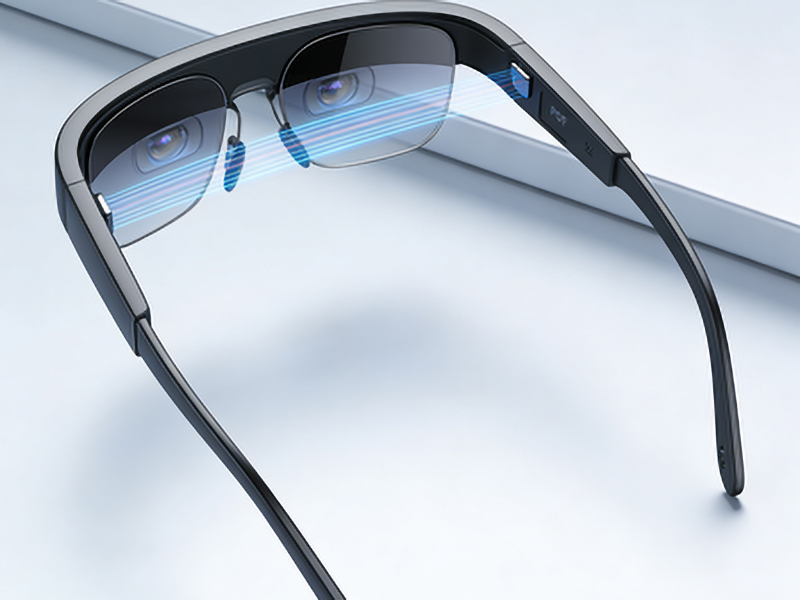
Smart wearable POF components integrate optical fiber technology into wearable devices to enable real-time data transmission and sensing with high precision and efficiency. These components include:
– Optical Fiber Cables: Designed for flexibility and durability, these cables ensure reliable signal transmission even in the most challenging conditions.
– Fiber Optic Sensors: Equipped with advanced sensors, they detect changes in light intensity to monitor vital health metrics such as heart rate and temperature.
– Light-Emitting Diodes (LEDs): Used for both data transmission and illumination, LEDs play a crucial role in the functionality of POF systems.
Technical Parameters and Performance Metrics
When evaluating smart wearable POF components, several key technical parameters must be considered:
– Bandwidth: The range of frequencies that can be transmitted through the optical fiber. Higher bandwidth supports faster data transfer rates.
– Attenuation: Measured in decibels per kilometer (dB/km), attenuation indicates the reduction of light intensity as it travels along the fiber. Lower values are preferable for maintaining signal integrity over longer distances.
– Fiber Core Diameter: Typically ranging from 50 to 200 micrometers, the core diameter affects the fiber’s ability to capture and transmit light efficiently.
– Operating Temperature Range: Essential for ensuring reliability in diverse environmental conditions. Most POF components are designed to operate between -40°C and +85°C.
Applications of Smart Wearable POF Components
The integration of POF technology into wearables opens up a myriad of applications:
Health Monitoring
– Vital Signs Tracking: Continuous monitoring of heart rate, blood oxygen levels, and body temperature with high accuracy.
– Disease Early Detection: By detecting subtle physiological changes, POF-based sensors can aid in the early detection of diseases such as diabetes or cardiovascular conditions.
Fitness and Wellness
– Activity Tracking: Accurate measurement of steps, distance, and calories burned through advanced motion sensors integrated with POF components.
– Performance Analysis: Athletes can benefit from real-time performance metrics, enabling them to optimize their training routines.
Connectivity and Communication
– Wireless Data Transmission: POF components enable seamless communication between wearable devices and external systems, facilitating remote monitoring and data sharing.
– Smart Homes Integration: Wearables with POF technology can interact with smart home ecosystems, offering enhanced convenience and automation.
Challenges and Future Directions
Despite their potential, smart wearable POF components face several challenges:
– Miniaturization: Reducing the size of POF components without compromising performance is a significant hurdle in advancing wearable technology.
– Power Efficiency: Ensuring low power consumption is crucial for extending battery life, especially in compact devices like smartwatches and fitness trackers.
– Cost Optimization: High manufacturing costs currently limit widespread adoption. Innovations in production techniques are essential to make POF components more accessible.
Looking ahead, advancements in nanotechnology and materials science promise to overcome these challenges, paving the way for even more sophisticated applications of POF technology in wearables.
Conclusion
Smart wearable POF components represent a transformative step forward in the development of connected devices. By leveraging the unique advantages of optical fiber technology, these components are driving innovation across health monitoring, fitness, and connectivity sectors. As research continues to push the boundaries, we can expect smarter, more efficient, and user-friendly wearables that enhance our daily lives and contribute to better healthcare outcomes.