
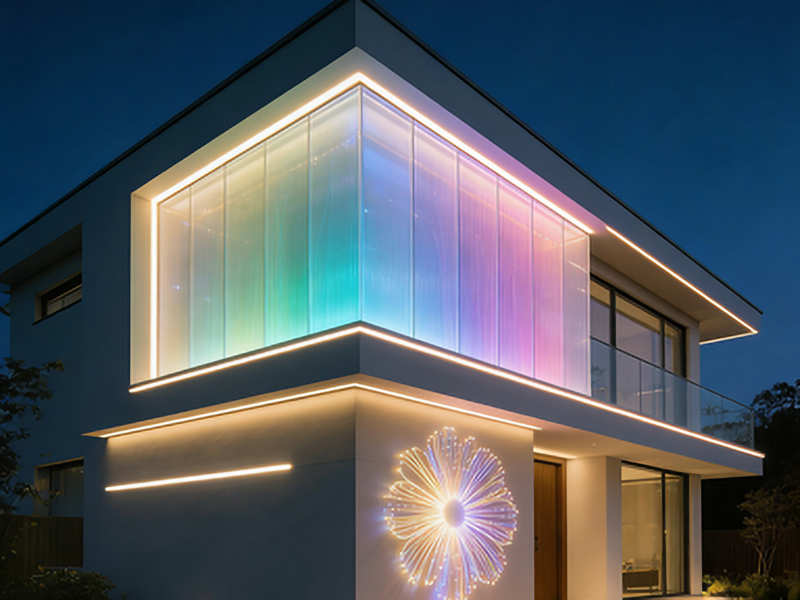
Building Facade Translucent POF: A Comprehensive Guide
Introduction
Translucent Polycarbonate Optical Fiber (POF) is revolutionizing the way architects approach lighting and design in building facades. This innovative material combines transparency, durability, and advanced optical properties to create dynamic and energy-efficient structures.
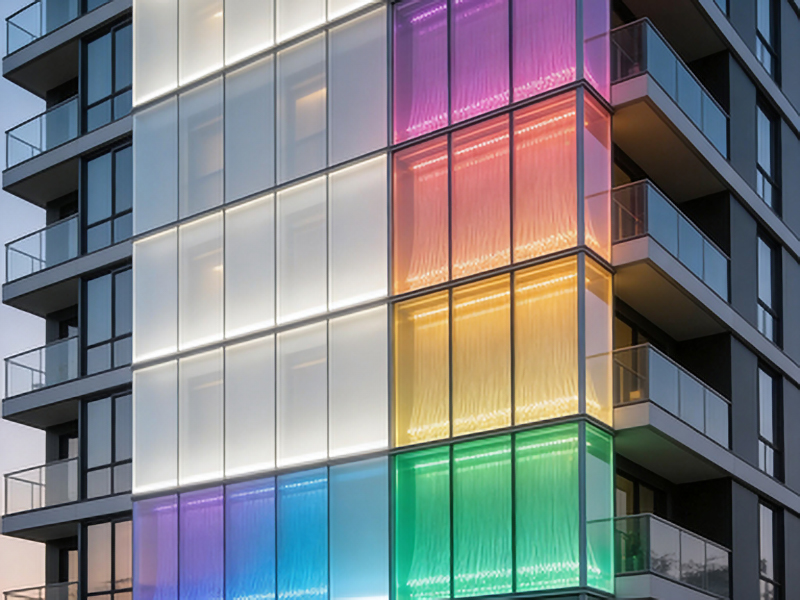
What is Translucent POF?
Translucent POF, or Polycarbonate Optical Fiber, is a cutting-edge material designed for architectural applications. Unlike traditional materials, it allows light to pass through while maintaining structural integrity and aesthetic appeal.
Key Features
– Light Transmission: Up to 90% light transmission efficiency.
– Durability: High impact resistance and weatherproofing.
– Customization: Available in various thicknesses and configurations to suit different design needs.
Applications in Building Facades
Translucent POF is ideal for modern facades, offering both functionality and style. It can be integrated into curtain walls, skylights, and glass partitions.
Structural Integration
– Curtain Walls: Enhances natural lighting while maintaining thermal insulation.
– Skylights: Provides even light distribution across large areas.
– Glass Partitions: Creates seamless indoor spaces with excellent light diffusion.
Technical Parameters
Understanding the technical aspects is crucial for optimal application:
– Cladding Thickness: 3mm to 12mm, depending on structural requirements.
– Transparency Levels: Vary from semi-transparent to fully opaque for design flexibility.
– UV Resistance: Up to 95% UV protection, ensuring long-term durability.
Benefits of Using Translucent POF
Incorporating Translucent POF into building facades offers numerous advantages:
– Energy Efficiency: Reduces reliance on artificial lighting by maximizing natural light penetration.
– Aesthetic Appeal: Creates a sleek, modern look with customizable designs.
– Sustainability: Lowers energy consumption and reduces carbon footprint.
Design Considerations
When integrating Translucent POF into facades, several factors should be considered:
– Lighting Control: Ensure proper light management to avoid glare and enhance comfort.
– Thermal Performance: Maintain thermal insulation for energy efficiency.
– Maintenance: Regular cleaning to preserve optical clarity and performance.
Case Studies
Real-world examples highlight the transformative potential of Translucent POF:
1. Project Alpha Tower: Utilized Translucent POF in its curtain walls, reducing energy consumption by 30%.
2. Green Horizon Mall: Implemented skylights with Translucent POF, enhancing natural lighting and customer experience.
Conclusion
Translucent POF is a game-changer for modern building facades, offering unparalleled optical performance, energy efficiency, and aesthetic value. As sustainability becomes a priority in architecture, this material stands out as an innovative solution for future-proof designs.