Introduction
Office interior design plays a crucial role in creating productive work environments. Fiber decoration has emerged as a popular choice for enhancing aesthetics while maintaining functionality. This article explores the various aspects of fiber decoration in offices.
Types of Fiber Decorations
1. Textile Panels
Textile panels are versatile and can be customized to match office themes. They provide sound absorption, improving acoustics without compromising on style.
– Material: High-quality polyester or wool blends.
– Acoustic Rating: NRC (Noise Reduction Coefficient) of 0.5 to 0.8.
2. Fiber Art Installations
Fiber art adds a unique touch, blending creativity with functionality. These installations can serve as focal points in open spaces.
– Common Materials: Recycled fibers, synthetic yarns, and natural fabrics.
– Durability: Rated for high-traffic areas (up to 5 years without significant wear).
3. Pom-Pom Decorations
Pom-poms add a playful element, perfect for modern or casual office designs. They are easy to install and replace.
– Sizes: Ranges from small (2cm) to large (10cm) diameter.
– Customization: Available in various colors and materials like acrylic or wool.
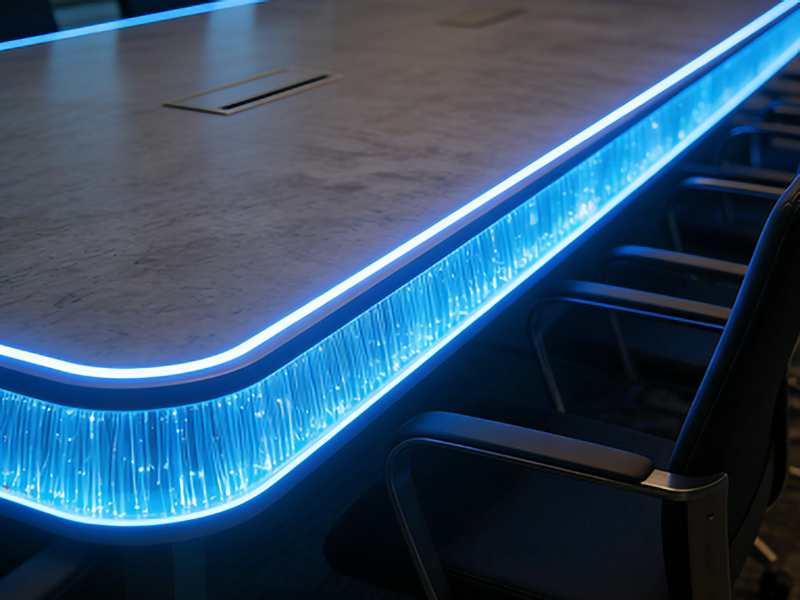
4. Fiber Optic Lighting
Integrating fiber optics with lighting creates dynamic, energy-efficient illumination.
– Brightness: Up to 800 lumens per meter.
– Energy Efficiency: Uses LED technology, consuming up to 70% less power than traditional bulbs.
Applications in Office Design
1. Walls and Partitions
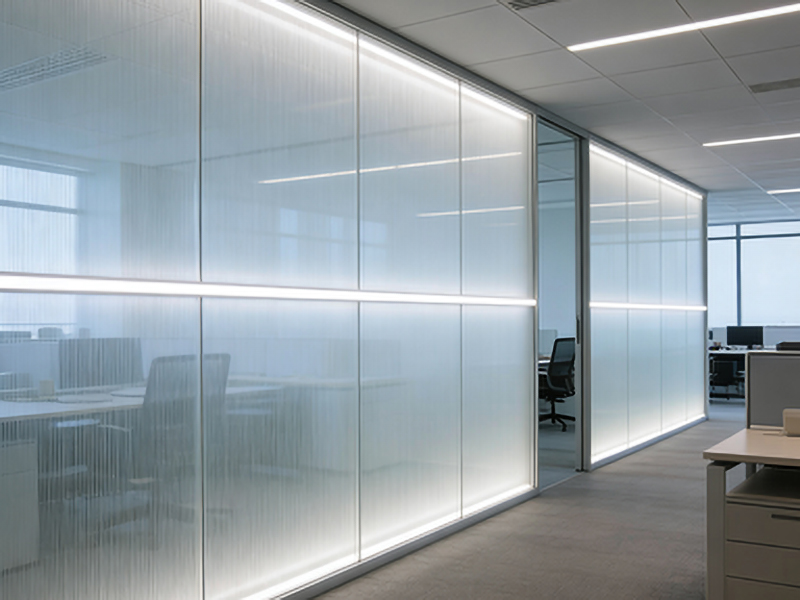
Fiber panels can be used as decorative wall coverings or partitions, offering both visual appeal and acoustic benefits.
– Application Tips: Combine with LED lighting for a modern glow effect.
2. Ceiling Installations
Suspension fiber art installations add depth to high ceilings, making spaces feel more intimate without sacrificing openness.
– Weight Capacity: Up to 10kg per square meter, ensuring safety in public areas.
3. Furniture Integration
Incorporate fibers into seating and other furniture pieces for a cohesive design theme.
– Comfort Metrics: Textile-covered chairs can reduce noise by up to 25% compared to untreated surfaces.
Best Practices
1. Color Coordination
Choose colors that align with the office branding or desired ambiance. Neutral tones promote calmness, while vibrant hues stimulate creativity.
2. Lighting Integration
Pair fiber decorations with appropriate lighting to enhance their visual impact. Avoid harsh glare and ensure even illumination.
3. Maintenance and Cleaning
Regularly clean fiber installations to maintain their appearance and hygiene. Use vacuum cleaners or gentle detergents for woven materials.
4. Safety Considerations
Ensure all installations meet fire safety standards, especially in public areas. Opt for flame-retardant materials where required.
Conclusion
Fiber decorations offer a versatile and stylish solution for modern office interiors. By carefully selecting the right types and applications, businesses can create functional, aesthetically pleasing spaces that foster productivity and creativity.