Introduction
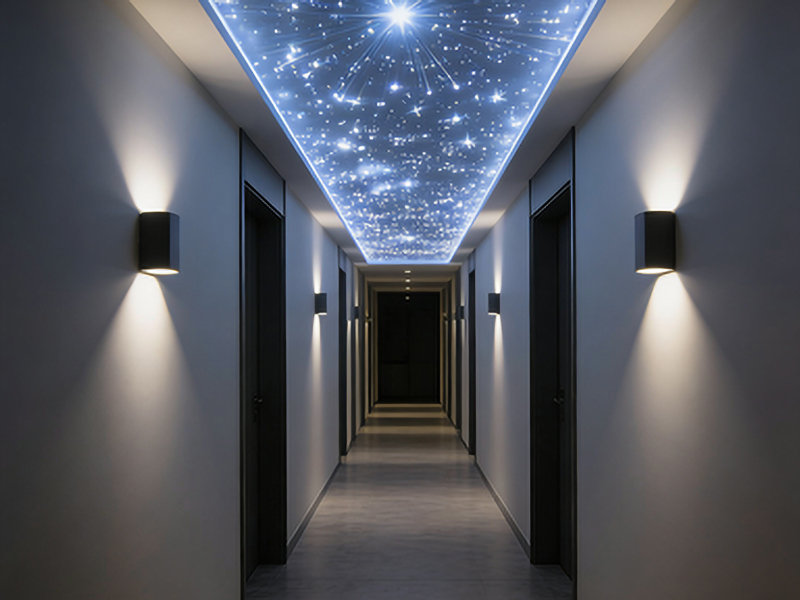
Corridor lighting is a critical component of any building’s infrastructure, ensuring safety, functionality, and aesthetic appeal. With the advent of modern lighting technologies, Plastique Optic Fiber (POF) has emerged as an innovative solution for corridor lighting systems. This comprehensive guide explores POF technology, its benefits, design considerations, and practical implementation in corridor lighting applications.
What is POF Lighting?
Plastic Optical Fiber (POF) is a type of optical fiber made from plastic rather than glass. Unlike traditional glass fibers used in telecommunications, POF is designed for shorter-distance applications such as lighting systems. It offers several advantages over conventional lighting solutions:
– High Light Transmission: POF efficiently transmits light over short distances with minimal loss.
– Flexibility: The plastic material allows easy bending and shaping, making it ideal for various design configurations.
– Durability: Resistant to breakage compared to glass fibers, POF is more suitable for environments where flexibility and safety are paramount.
Benefits of Using POF in Corridor Lighting
1. Energy Efficiency
POF lighting systems are highly energy-efficient. By utilizing light-emitting diodes (LEDs) as the primary light source, these systems consume less power while delivering high luminous flux. This makes POF an eco-friendly and cost-effective choice for corridor lighting.
2. Aesthetic Appeal
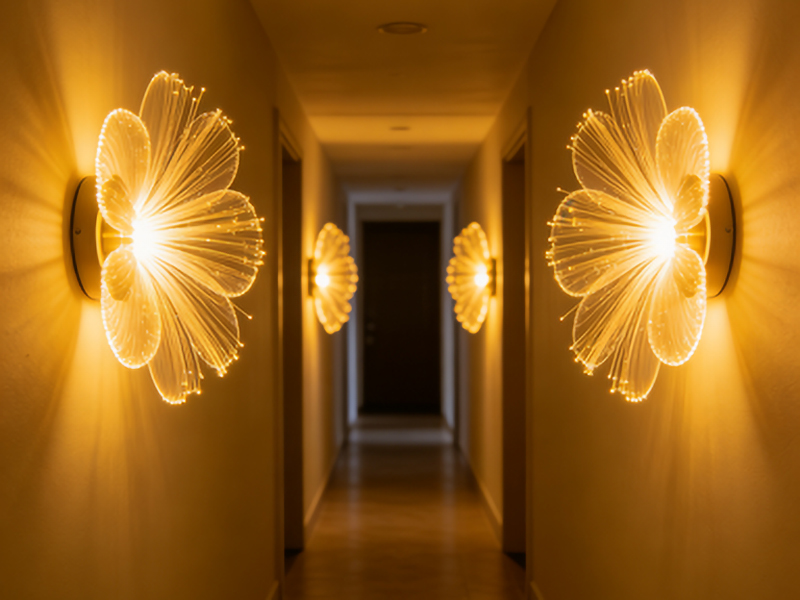
The flexibility of POF allows for creative and elegant designs in corridors. Whether it’s a sleek modern look or a more ornate design, POF can be shaped to meet aesthetic requirements without compromising on functionality.
3. Safety and Reliability
POF systems are inherently safer due to their lower voltage requirements compared to traditional lighting solutions. Additionally, the durability of POF ensures long-lasting performance even in high-traffic areas.
Technical Parameters for Corridor Lighting with POF
When designing a corridor lighting system using POF, several technical parameters must be considered:
1. Fiber Diameter
The diameter of the POF plays a significant role in light transmission. Common diameters include 0.5mm, 1mm, and 2mm. Thicker fibers generally provide higher light output but may be less flexible.
2. LED Specifications
The choice of LEDs is crucial for optimal performance:
– Luminous Flux: Measured in lumens (lm), it indicates the total amount of visible light emitted.
– Color Temperature: Expressed in Kelvin (K), it determines the color of the light (e.g., 2700K for warm white, 5000K for cool white).
– Lifespan: LEDs with a longer lifespan reduce maintenance costs and ensure consistent lighting over time.
3. Fiber Length
The maximum length of POF determines how far the light can travel before significant attenuation occurs. Typically, POF systems are effective up to 50 meters, depending on the fiber quality and LED power.
4. Connector Types
Compatible connectors ensure seamless integration of POF into existing lighting infrastructure. Common types include push-fit connectors and screw-type connectors for ease of installation and maintenance.
Design Considerations
1. Lighting Layout
The layout should consider the corridor’s dimensions, traffic flow, and specific requirements such as emergency lighting or decorative accents. A well-planned layout minimizes glare while ensuring uniform illumination.
2. Emergency Backup Systems
Incorporating POF into emergency backup systems ensures continuous lighting during power outages, enhancing safety in critical situations.
3. Integration with Smart Lighting Systems
POF can be integrated with smart lighting controls, enabling remote monitoring and adjustment of lighting levels based on real-time conditions like occupancy or natural light availability.
Installation Best Practices
1. Proper Splicing: Ensure precise splicing to maintain optimal light transmission without signal loss.
2. Secure Fixation: Use appropriate clamps and brackets to secure POF in place, preventing damage from vibrations or movement.
3. Electrical Safety: Adhere to local electrical codes and safety standards when installing LED drivers and connectors.
4. Testing and Commissioning: Conduct thorough testing to verify system performance and ensure all components function as intended before final installation.
Maintenance and Troubleshooting
Regular maintenance is essential for the longevity of POF lighting systems:
– Cleaning: Periodically clean fiber ends to prevent dust buildup, which can reduce light transmission efficiency.
– Inspect Connections: Check connectors for wear or damage that could affect performance.
– Replace Components: If LEDs or other components show signs of failure, replace them promptly to maintain consistent lighting output.
Common issues include:
– Dimming Lights: May indicate a need for cleaning or replacing the LED source.
– Fiber Breaks: Inspect and splice or replace broken fibers to restore full functionality.
– Connector Problems: Loose or damaged connectors can lead to signal loss; ensure they are secure and in good condition.
Conclusion
Corridor lighting with POF technology offers a modern, energy-efficient, and aesthetically pleasing solution for illuminating indoor spaces. By understanding the technical parameters, design considerations, and best practices for installation and maintenance, professionals can effectively implement POF-based systems to enhance safety, functionality, and visual appeal in corridors.
Further Reading
– [Understanding POF Technology](#)
– [Energy Efficiency in Lighting Systems](#)
– [Smart Lighting Solutions](#)