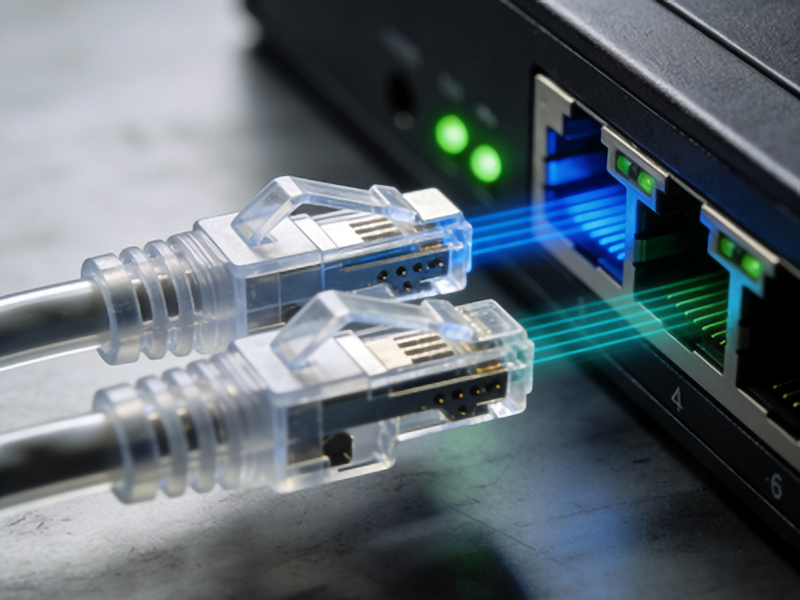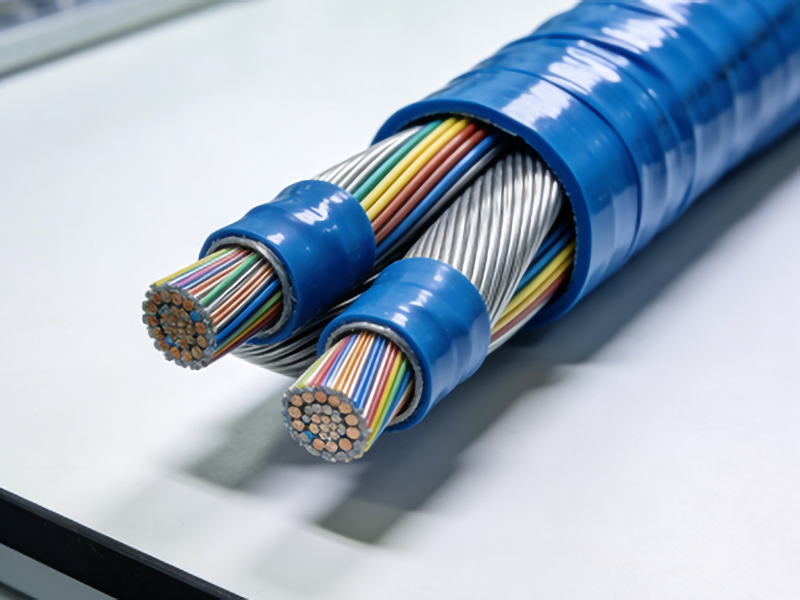
In the realm of optical communication, Terminal Plastic Optical Fiber (TPOF) has emerged as a versatile and cost-effective solution, revolutionizing connectivity across various industries. Unlike traditional glass optical fibers, TPOF is engineered with plastic materials for its core and cladding, making it lightweight, flexible, and easier to handle. This comprehensive guide delves into the fundamental aspects of TPOF, including its composition, key characteristics, advantages, applications, installation best practices, maintenance tips, and future prospects. Whether you are an industry professional, a student, or someone exploring optical communication technologies, this guide will provide you with a thorough understanding of TPOF and its role in modern connectivity.
1. What is Terminal Plastic Optical Fiber (TPOF)?
Terminal Plastic Optical Fiber refers to a type of optical fiber specifically designed for terminal-level communication applications, where short to medium transmission distances are required. At its core, TPOF consists of two main components: the core and the cladding, both made from plastic polymers. The core is the central part through which light signals propagate, while the cladding has a lower refractive index than the core, ensuring that light is confined within the core via total internal reflection—an essential principle for optical signal transmission.
Unlike glass optical fibers, which use silica (SiO₂) as the primary material, TPOF typically employs materials such as polymethyl methacrylate (PMMA) for the core and fluorinated polymers for the cladding. This plastic composition gives TPOF distinct physical and optical properties that make it ideal for specific use cases, particularly in consumer electronics, automotive systems, and industrial control applications. The “terminal” in its name emphasizes its focus on end-point connectivity, bridging the gap between main communication networks and individual devices or subsystems.
2. Key Characteristics of TPOF
TPOF boasts a set of unique characteristics that set it apart from glass optical fibers and other communication media. Understanding these properties is crucial for selecting the right TPOF solution for a given application:
2.1 Physical Properties
-
Lightweight and Flexible: Plastic polymers are significantly lighter than silica glass, making TPOF easy to transport, install, and integrate into compact devices. Its high flexibility allows it to bend around corners and fit into tight spaces without breaking, a feature that glass fibers (which are brittle) lack.
-
Durable and Impact-Resistant: TPOF is more resistant to mechanical impacts and vibrations compared to glass fibers. It can withstand minor bumps and handling during installation and operation, reducing the risk of damage and downtime.
-
Easy to Terminate: Terminating TPOF (i.e., attaching connectors to the fiber ends) is simpler and more cost-effective than terminating glass fibers. No specialized equipment (such as fusion splicers) is required; basic tools can be used to cut and polish TPOF ends, making on-site installation more efficient.
2.2 Optical Properties
-
Transmission Wavelength: TPOF primarily operates at visible light wavelengths (typically 650 nm or 850 nm), which are compatible with low-cost light-emitting diodes (LEDs) and photodiodes. This compatibility contributes to the overall cost-effectiveness of TPOF systems.
-
Bandwidth and Transmission Distance: TPOF has a lower bandwidth compared to glass optical fibers. It is well-suited for short to medium transmission distances (usually up to 100 meters) and low to medium data rates (up to several Gbps). This makes it ideal for terminal applications where long-distance, high-bandwidth transmission is not required.
-
Low Attenuation (for Short Distances): While TPOF has higher attenuation (signal loss) than glass fibers, its attenuation is sufficiently low for short-distance applications. For example, PMMA-based TPOF has an attenuation of around 100 dB/km at 650 nm, which is acceptable for distances up to 50-100 meters.
3. Advantages of TPOF Over Other Communication Media
TPOF offers several significant advantages over traditional communication media such as copper cables and glass optical fibers, making it a preferred choice for many terminal applications:
3.1 Cost-Effectiveness
The production cost of TPOF is much lower than that of glass optical fibers, as plastic polymers are cheaper and easier to process. Additionally, TPOF systems use low-cost LEDs and photodiodes instead of expensive laser diodes required for high-speed glass fiber systems. The simplicity of termination and installation also reduces labor costs, making TPOF an economical solution for large-scale deployments.
3.2 Immunity to Electromagnetic Interference (EMI)
Like all optical fibers, TPOF transmits light signals instead of electrical signals, making it immune to electromagnetic interference (EMI) and radio frequency interference (RFI). This is a critical advantage in environments with high EMI, such as industrial facilities, automotive engines, and data centers, where copper cables are prone to signal degradation. TPOF also does not generate EMI, ensuring that it does not interfere with other electronic devices.
3.3 Safety
TPOF is non-conductive, which eliminates the risk of electric shock during installation and operation. This makes it safe to use in wet environments or applications where electrical safety is a concern, such as medical equipment and underwater sensors. Additionally, TPOF does not contain toxic materials, making it environmentally friendly and easy to dispose of.
3.4 Ease of Installation and Maintenance
As mentioned earlier, TPOF is lightweight, flexible, and easy to terminate. It can be installed without specialized training or equipment, reducing installation time and costs. Maintenance is also simple, as TPOF is less prone to damage and requires minimal inspection compared to glass fibers.
4. Applications of TPOF
Due to its unique advantages, TPOF has found widespread applications across various industries, focusing primarily on terminal-level connectivity. Some of the key application areas include:
4.1 Consumer Electronics
TPOF is widely used in consumer electronics for short-distance data transmission. Examples include:
-
Home entertainment systems: Connecting TVs, Blu-ray players, soundbars, and game consoles for high-definition audio and video transmission. TPOF ensures clear, interference-free signal transmission, enhancing the viewing and listening experience.
-
Computer peripherals: Connecting printers, scanners, and external storage devices to computers. TPOF’s high-speed data transmission (up to several Gbps) makes it suitable for transferring large files quickly.
-
Smart home devices: Integrating smart thermostats, security cameras, and lighting systems into home automation networks. TPOF’s immunity to EMI ensures reliable communication in homes with multiple electronic devices.
4.2 Automotive Industry
The automotive industry is one of the largest users of TPOF, as it meets the strict requirements for in-vehicle communication. Applications include:
-
In-vehicle infotainment systems: Transmitting audio, video, and navigation data between the head unit, displays, and speakers. TPOF’s flexibility allows it to be routed through the vehicle’s interior without taking up much space.
-
Advanced Driver Assistance Systems (ADAS): Connecting sensors (such as cameras, radar, and lidar) to the vehicle’s control unit. TPOF’s immunity to EMI is critical in ADAS, as it ensures accurate and reliable data transmission for safety features like lane departure warning and automatic emergency braking.
-
Vehicle networking: Enabling communication between different electronic control units (ECUs) in the vehicle. TPOF’s cost-effectiveness and ease of installation make it ideal for large-scale deployment in modern vehicles.
4.3 Industrial Control Systems
TPOF is widely used in industrial environments for terminal-level communication between sensors, actuators, and control systems. Key applications include:
-
Factory automation: Connecting robots, conveyor belts, and other production equipment to the central control system. TPOF’s immunity to EMI and RFI ensures reliable communication in industrial environments with high levels of electrical noise.
-
Process control: Transmitting data from sensors (such as temperature, pressure, and flow sensors) to the control unit. TPOF’s durability and resistance to mechanical impacts make it suitable for harsh industrial conditions.
-
Industrial Internet of Things (IIoT): Integrating IoT devices into industrial networks for real-time monitoring and control. TPOF’s low cost and easy installation make it a viable solution for IIoT deployments.
4.4 Medical Equipment
TPOF is used in medical equipment due to its safety, non-conductivity, and immunity to EMI. Applications include:
-
Medical imaging systems: Transmitting image data from devices such as MRI, CT, and ultrasound scanners to display and storage systems. TPOF’s non-conductive nature ensures patient safety, as it eliminates the risk of electric shock.
-
Patient monitoring systems: Connecting sensors (such as heart rate monitors, blood pressure monitors, and glucose meters) to the central monitoring unit. TPOF’s reliable communication ensures accurate and real-time patient data transmission.
5. Installation Best Practices for TPOF
Proper installation is crucial for ensuring the optimal performance and reliability of TPOF systems. Below are some key best practices to follow during installation:
5.1 Fiber Handling
-
Avoid excessive bending: While TPOF is flexible, it has a minimum bending radius (typically 10-20 times the fiber diameter). Exceeding this radius can cause signal loss or permanent damage to the fiber.
-
Protect from physical damage: Handle TPOF with care to avoid scratches, cuts, or crushing. Use protective sleeves or conduits when routing the fiber through areas with sharp edges or heavy traffic.
5.2 Termination
-
Use the correct tools: Use a sharp fiber cutter to make a clean, perpendicular cut at the fiber end. Avoid using scissors or other blunt tools, as they can cause fraying or uneven cuts.
-
Polish the fiber end: After cutting, polish the fiber end using a polishing pad to ensure a smooth surface. This reduces signal loss at the connector interface.
-
Choose the right connectors: Select connectors that are compatible with TPOF (such as ST, SC, or LC connectors). Ensure that the connectors are properly seated and secured to avoid signal leakage.
5.3 Routing and Cabling
-
Avoid EMI sources: While TPOF is immune to EMI, route the fiber away from high-voltage cables and other EMI sources to prevent physical damage or interference with other systems.
-
Use proper supports: Use cable ties, clips, or trays to support the fiber and prevent it from hanging loosely. This reduces the risk of damage and ensures a neat installation.
5.4 Testing and Verification
-
Test signal strength: Use an optical power meter to measure the signal strength at both ends of the fiber. Ensure that the signal loss is within the acceptable range (typically less than 1 dB for short distances).
-
Check for continuity: Use an optical continuity tester to verify that the fiber is not broken or disconnected.
6. Maintenance Tips for TPOF Systems
Regular maintenance is essential for ensuring the long-term performance and reliability of TPOF systems. Below are some key maintenance tips:
-
Inspect connectors regularly: Check the connectors for dirt, dust, or damage. Clean the connectors using a lint-free cloth and optical fiber cleaner to remove any debris that may cause signal loss.
-
Monitor signal performance: Periodically measure the signal strength and loss using an optical power meter. If the signal loss increases significantly, investigate the cause (such as a damaged fiber or dirty connector) and take corrective action.
-
Protect from environmental factors: Keep TPOF away from extreme temperatures, humidity, and direct sunlight. Use protective enclosures for connectors and fiber ends in harsh environments.
-
Replace damaged fibers: If a fiber is damaged (e.g., cut, crushed, or bent beyond the minimum radius), replace it immediately to avoid signal degradation or system failure.
7. Future Prospects of TPOF
The future of TPOF looks promising, with several technological advancements and emerging applications driving its growth. Some of the key trends and developments to watch out for include:
7.1 Improved Bandwidth and Transmission Distance
Research and development efforts are focused on improving the bandwidth and transmission distance of TPOF. New plastic materials and fiber designs (such as graded-index TPOF) are being developed to reduce attenuation and increase bandwidth, making TPOF suitable for longer distances and higher data rates.
7.2 Emerging Applications in 5G and IoT
With the rollout of 5G networks and the growing adoption of IoT, TPOF is expected to play a key role in terminal-level connectivity. TPOF can be used to connect IoT devices to 5G base stations and edge computing nodes, providing reliable and cost-effective communication for smart cities, smart homes, and industrial IoT applications.
7.3 Environmental Sustainability
As the demand for environmentally friendly technologies increases, TPOF is gaining traction due to its non-toxic and recyclable properties. Manufacturers are developing biodegradable plastic materials for TPOF, further enhancing its environmental sustainability.
7.4 Integration with Other Technologies
TPOF is being integrated with other technologies such as optical sensors, photovoltaics, and microelectronics to create innovative solutions. For example, TPOF-based optical sensors are being used for environmental monitoring and medical diagnostics, while TPOF-integrated photovoltaics are being developed for energy-efficient communication systems.
8. Conclusion
Terminal Plastic Optical Fiber (TPOF) is a versatile and cost-effective optical communication solution that has revolutionized terminal-level connectivity across various industries. Its unique characteristics—such as lightweight, flexibility, immunity to EMI, and ease of installation—make it ideal for applications in consumer electronics, automotive systems, industrial control, and medical equipment. By following proper installation and maintenance best practices, users can ensure the optimal performance and reliability of TPOF systems.
With ongoing technological advancements, TPOF is poised to play an even more significant role in the future of communication, particularly in emerging areas such as 5G and IoT. As the demand for reliable, cost-effective, and environmentally friendly connectivity solutions continues to grow, TPOF will remain a key player in the optical communication landscape.