Introduction
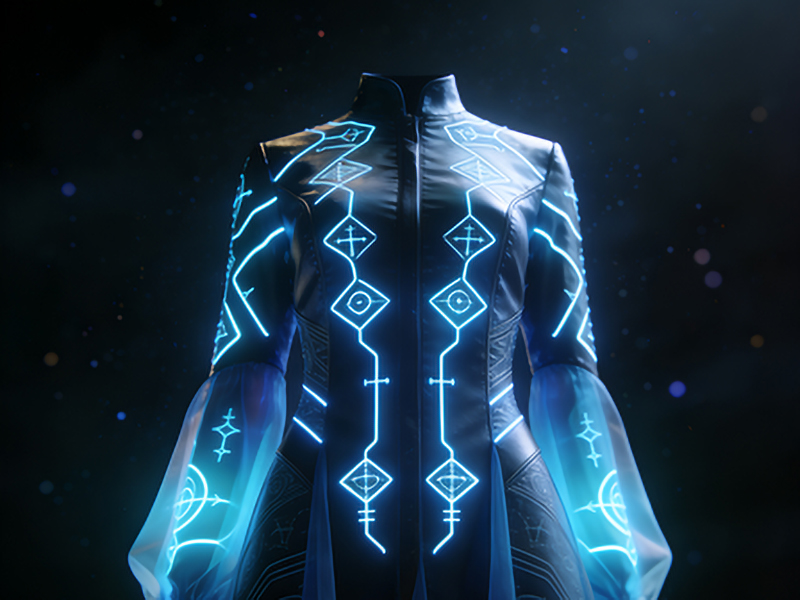
Plastic Optical Fiber (POF) has emerged as a groundbreaking material in the realm of wearable technology, particularly in the creation of light-up clothing. This innovative application combines aesthetics with practicality, offering designers new possibilities to create dynamic, interactive apparel. POF’s unique properties make it an ideal choice for integrating LED lighting into fabrics, enabling garments that not only look stunning but also serve functional purposes.
What is Plastic Optical Fiber?
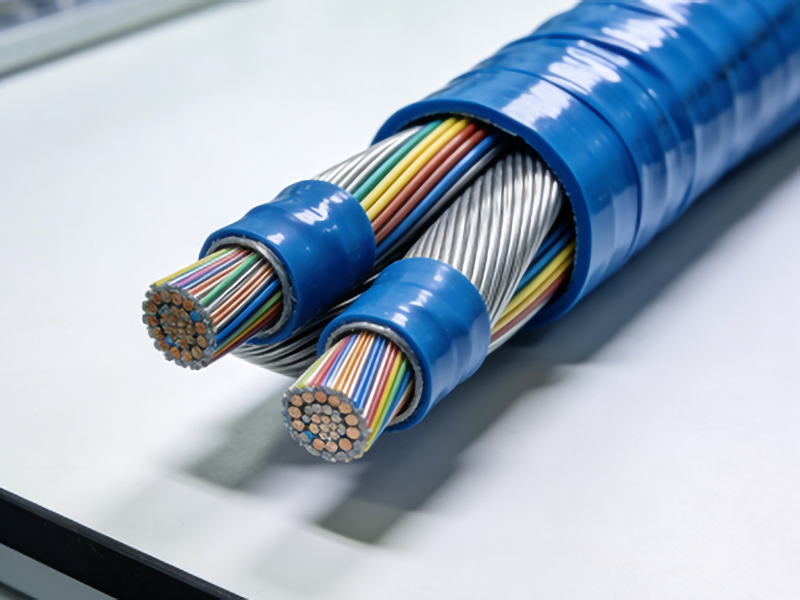
Plastic Optical Fiber (POF) is a type of optical fiber made from plastic materials, primarily polymethyl methacrylate (PMMA). Unlike traditional glass optical fibers used in telecommunications, POF is flexible, lightweight, and cost-effective. These characteristics make it an attractive option for applications beyond data transmission, such as lighting systems in textiles.
Key Properties of Plastic Optical Fiber:
– Flexibility: POF can be bent without breaking, allowing seamless integration into fabric designs.
– Transparency: The material effectively transmits light, ensuring vibrant illumination patterns.
– Durability: Despite its flexibility, POF is robust enough to withstand the rigors of everyday wear.
Applications in Light-Up Clothing
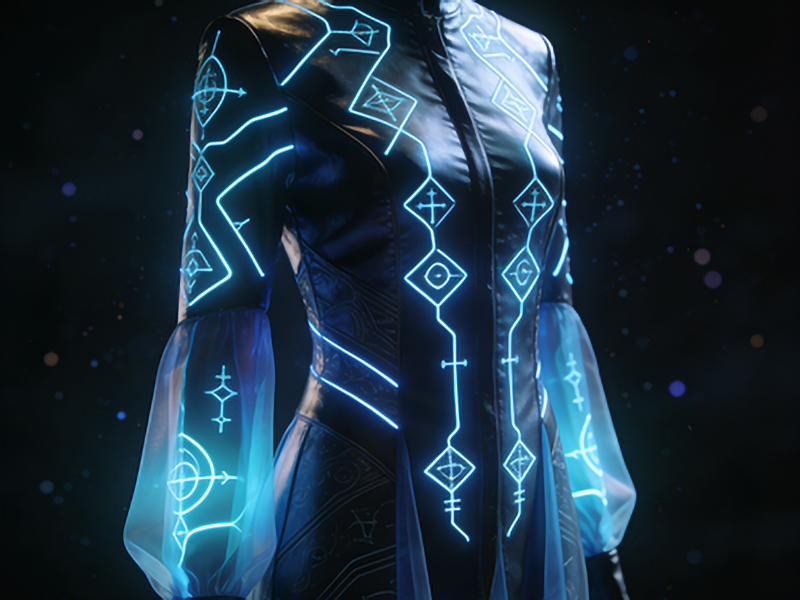
Light-up clothing has evolved from simple LED decorations to sophisticated wearable technology. POF plays a pivotal role in this transformation by enabling intricate lighting designs that are both visually appealing and durable.
Design Considerations
When integrating POF into clothing, several factors must be considered:
– Fabric Compatibility: The chosen fabric should complement the flexibility of POF without causing strain or damage.
– Lighting Patterns: Designers can create complex light patterns by strategically placing LED sources along the fiber strands.
– Power Management: Efficient power supply systems are essential to ensure prolonged battery life and safe operation.
Technical Parameters
To optimize performance, specific technical parameters must be adhered to:
– Fiber Diameter: Typically ranges from 0.5mm to 2mm, balancing flexibility and light intensity.
– LED Specifications: LEDs should match the fiber’s light transmission capabilities, with wavelengths optimized for vibrant colors.
– Power Supply: A reliable power source is crucial; options include built-in batteries or external power adapters.
Advantages of Using Plastic Optical Fiber
The use of POF in light-up clothing offers several advantages over traditional methods:
1. Enhanced Flexibility and Durability
POF’s flexibility allows it to bend with the fabric without breaking, ensuring longevity even after multiple wears and washes. This durability is a significant improvement over rigid LED strips that can degrade or crack over time.
2. Improved Aesthetic Appeal
The ability to create intricate lighting patterns using POF enhances the visual impact of garments. Designers can experiment with dynamic color changes, gradients, and even animated effects, making each piece truly unique.
3. Cost-Effective Solution
Compared to other lighting technologies, POF is more affordable, making it accessible for a broader range of applications. This cost-effectiveness extends to both production and maintenance, reducing overall expenses.
Challenges and Considerations
While POF offers numerous benefits, there are challenges that designers must address:
– Heat Management: LEDs generate heat, which can affect the integrity of the fiber over time if not properly managed.
– Water Resistance: Ensuring that garments are water-resistant is crucial to prevent damage from moisture or sweat.
– Battery Life: Prolonging battery life remains a key focus, especially for garments intended for extended use.
Future Trends and Innovations
The integration of POF in light-up clothing is still in its infancy, with vast potential for growth. Future trends may include:
– Smart Integration: Combining POF with sensors to create interactive garments that respond to environmental changes or user inputs.
– Sustainability Efforts: Developing eco-friendly production methods and recyclable materials to reduce the environmental impact of POF-based clothing.
– Customization Options: Allowing users to customize lighting patterns through mobile apps, enhancing personalization.
Conclusion
Plastic Optical Fiber is revolutionizing the way we think about light-up clothing, offering a blend of style, functionality, and sustainability. As technology advances, we can expect even more innovative applications that push the boundaries of wearable tech. Designers who embrace this technology are not only creating stunning garments but also paving the way for a future where fashion and technology seamlessly converge.