Understanding Avago Optical Fiber Jumpers: A Comprehensive Guide
Introduction
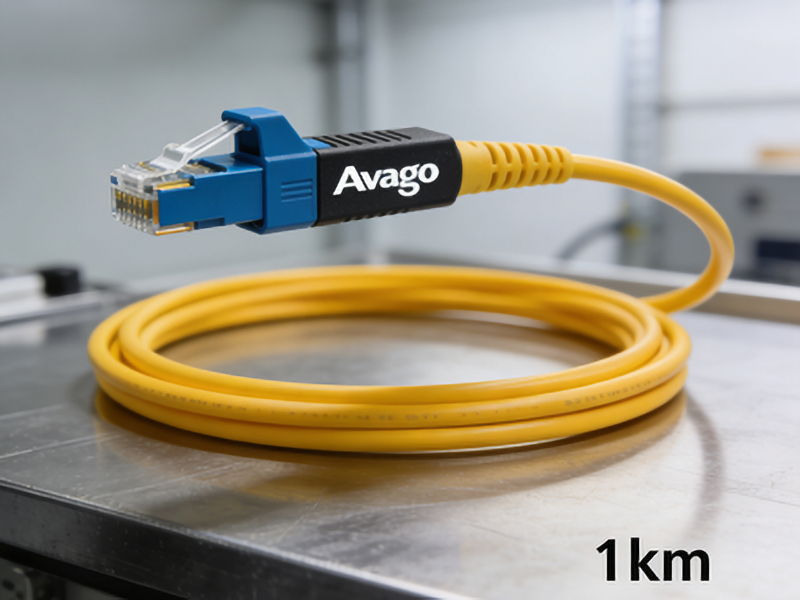
Avago Technologies is a renowned leader in fiber optics and high-performance connectivity solutions. Their optical fiber jumpers are critical components in modern telecommunications and data center infrastructure, ensuring seamless connectivity and optimal signal transmission.
What Are Optical Fiber Jumpers?
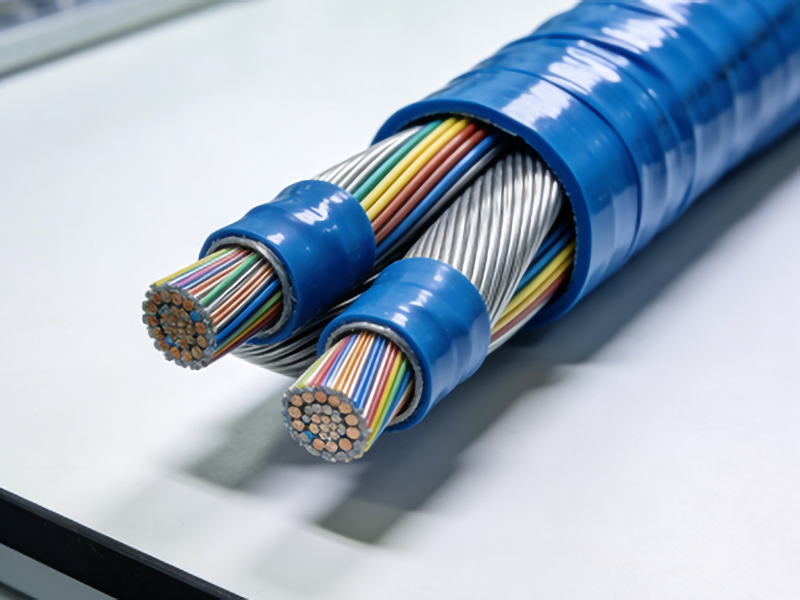
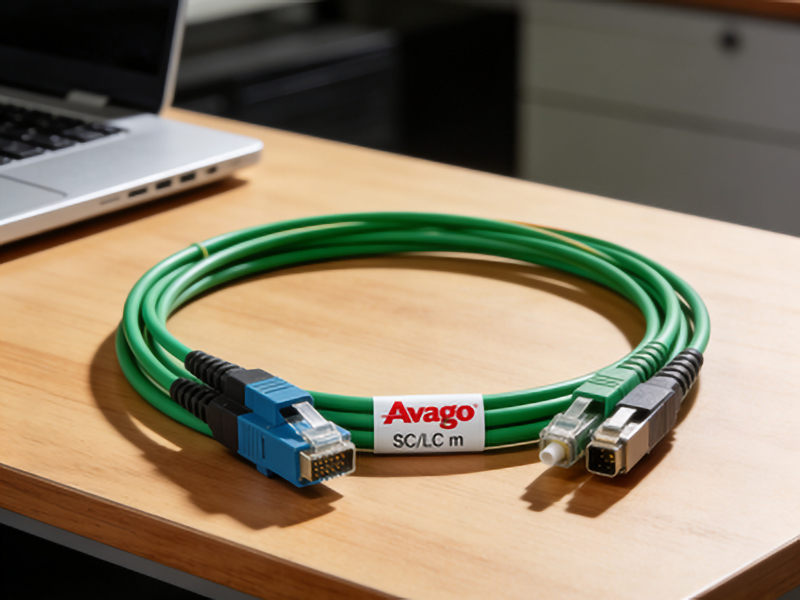
Optical fiber jumpers, also known as patch cords or fiber optic jumpers, are flexible cables used to connect different parts of a fiber optic network. These jumpers enable the connection between optical transceivers, switches, routers, and other networking equipment, facilitating efficient data transfer.
Key Features of Avago Optical Fiber Jumpers
1. High-Quality Materials: Constructed using premium materials like OM4 or OM5 multi-mode fibers, Avago jumpers ensure minimal signal loss and superior performance.
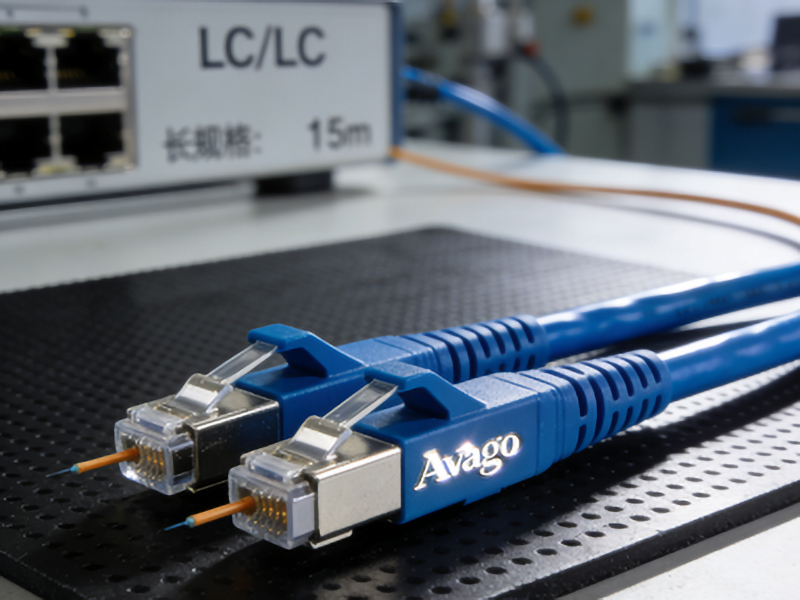
2. Connector Types: Available in various connector types such as LC, SC, FC, ST, and MTRJ, these jumpers offer compatibility with a wide range of networking equipment.
3. Durability: Designed for harsh environments, Avago fiber jumpers are built to withstand temperature fluctuations, humidity, and mechanical stress without compromising performance.
4. Low Insertion Loss: With minimal insertion loss (typically less than 0.2 dB), these jumpers maintain high signal integrity across long distances.
5. Compliance with Standards: Adherence to international standards such as TIA/EIA-568 ensures reliability and compatibility in diverse network setups.
Technical Specifications
Here are some key technical parameters of Avago optical fiber jumpers:
– Fiber Type: OM4, OM5, or single-mode (OS2)
– Connector Types: LC UPC/PC, SC UPC/PC, FC APC/UPC, ST UPC, MTRJ UPC
– Length Range: 0.5m to 100m
– Insertion Loss: <0.2 dB – Return Loss: >40 dB (for APC connectors)
– Operating Temperature: -40°C to +85°C
– Bend Radius: Minimum of 30mm for optimal performance
Applications
Avago optical fiber jumpers find extensive use in:
1. Telecommunication Networks: Supporting high-speed data transmission over long distances.
2. Data Centers: Enabling efficient connectivity between servers, switches, and storage devices.
3. Enterprise Networks: Facilitating reliable communication within office environments.
4. Industrial Applications: Withstanding harsh conditions in manufacturing and automation systems.
5. Fiber Optic Testing: Used for network maintenance and troubleshooting.
Choosing the Right Avago Optical Fiber Jumper
When selecting an Avago optical fiber jumper, consider:
– Network Requirements: Determine if you need single-mode or multi-mode fibers based on distance and data rate needs.
– Connector Compatibility: Ensure that the connector types match your existing infrastructure.
– Length and Bend Radius: Choose appropriate lengths to minimize signal loss and ensure ease of installation.
– Environmental Conditions: Select jumpers with suitable ratings for temperature, humidity, and mechanical stress based on deployment environment.
Maintenance and Care
To ensure optimal performance and longevity:
1. Handle with Care: Avoid bending or pulling the jumper beyond its minimum bend radius to prevent fiber damage.
2. Clean Connectors Regularly: Use lint-free wipes or cleaning solutions to maintain connector cleanliness and minimize signal attenuation.
3. Store Properly: Keep jumpers in protective sleeves when not in use to prevent dust accumulation and physical damage.
Conclusion
Avago optical fiber jumpers are indispensable components in modern networking infrastructure, offering high performance, reliability, and versatility. By understanding their features, applications, and proper usage, organizations can ensure efficient data transmission and maintain robust connectivity in their telecom and data center networks.