
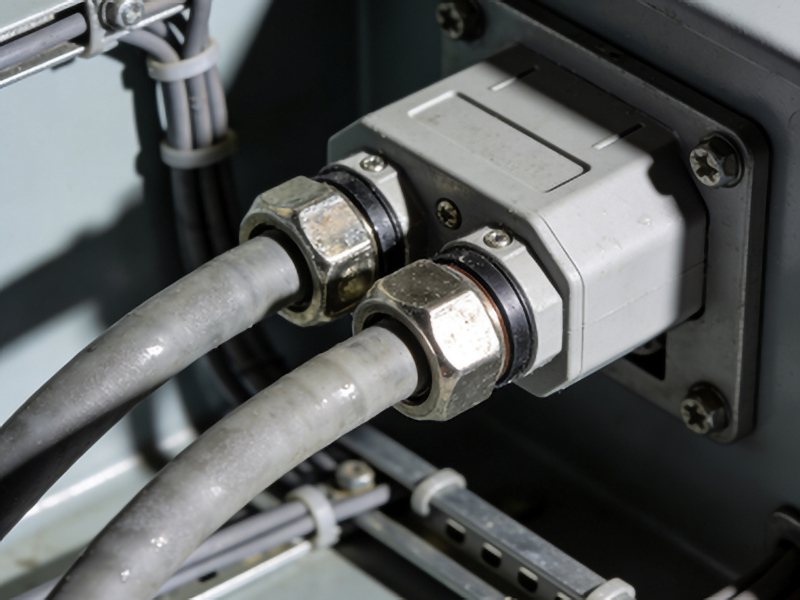
What is a Fault Indicator Jumper?
A fault indicator jumper is an essential tool used in electrical maintenance to identify and locate faults within power distribution systems. It serves as a diagnostic aid, enabling technicians to pinpoint issues such as open circuits, short circuits, or grounding problems efficiently.
Working Principle
The fault indicator jumper operates by temporarily bypassing a section of the circuit under test. By creating a parallel path, it allows current to flow through the jumper while the main circuit is isolated. This process helps in determining whether the fault lies within that specific segment or elsewhere in the system.
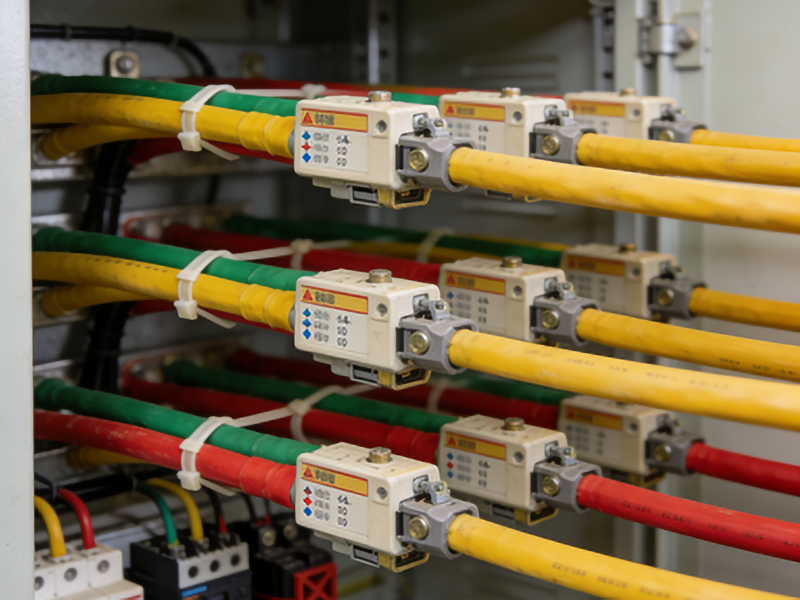
Types of Fault Indicator Jumpers
1. High Voltage Fault Indicators:
– Designed for use on high-voltage systems (typically above 1000V).
– Equipped with insulated handles and protective covers to ensure safety.
– Suitable for detecting faults in transmission lines, substations, and industrial settings.
2. Low Voltage Fault Indicators:
– Ideal for low-voltage applications (up to 500V).
– Commonly used in residential, commercial, and light industrial environments.
– More compact and user-friendly compared to high-voltage models.
3. Digital Fault Indicators:
– Incorporate digital displays for precise measurements of current flow.
– Provide real-time data on voltage levels, continuity, and resistance.
– Often include features like auto-ranging and overload protection.
4. LED-Based Fault Indicators:
– Utilize LED lights to indicate the presence or absence of a fault.
– Offer quick visual confirmation without requiring complex interpretation.
– Available in both high-voltage and low-voltage variants.
Technical Specifications
When selecting a fault indicator jumper, consider the following parameters:
– Voltage Rating: Ensure compatibility with the system voltage to prevent damage or safety hazards.
– Current Capacity: The maximum current the jumper can handle without overheating or malfunctioning.
– Insulation Type: Insulation quality is crucial for safety, especially in high-voltage applications.
– Durability and Build Quality: Look for robust materials that can withstand harsh environmental conditions.
How to Use a Fault Indicator Jumper
1. Preparation:
– Turn off the power supply to the circuit being tested.
– Wear appropriate personal protective equipment (PPE), including insulated gloves and safety glasses.
2. Installation:
– Carefully attach one end of the jumper to the suspected faulty point.
– Connect the other end to a known good reference point in the circuit.
3. Testing:
– Use a multimeter or other testing device to measure voltage, current, and resistance across the jumper.
– Observe any changes in readings that indicate the presence of a fault.
4. Analysis:
– If the readings confirm a fault, further investigate the specific section of the circuit.
– Repeat the process if necessary to isolate the exact location of the issue.
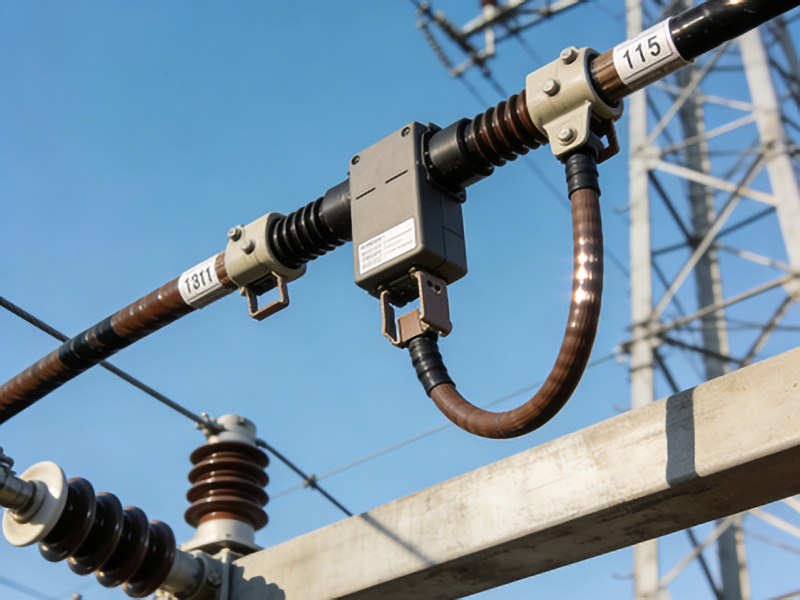
Safety Precautions
– Always ensure the circuit is de-energized before using a fault indicator jumper.
– Follow proper lockout/tagout procedures to prevent accidental re-energization.
– Avoid overloading the jumper beyond its current capacity, which can lead to overheating and failure.
– Store jumpers in dry, clean environments to maintain their integrity and performance.
Applications
Fault indicator jumpers are indispensable in various electrical maintenance tasks, including:
– Troubleshooting Power Distribution Systems: Quickly identifying faults in complex networks.
– Testing Circuit Continuity: Verifying the integrity of wiring connections.
– Post-Maintenance Verification: Ensuring systems return to optimal performance after repairs.
Conclusion
A fault indicator jumper is a vital tool for electrical professionals, offering an efficient and reliable method for diagnosing system faults. By understanding its types, proper usage, and safety considerations, technicians can enhance the efficiency of their maintenance operations and ensure safer working environments. Always choose the right type of jumper for your application to maximize effectiveness and minimize risks.
—
*This article provides a comprehensive overview of fault indicator jumpers, emphasizing practical applications and technical insights.*