Introduction
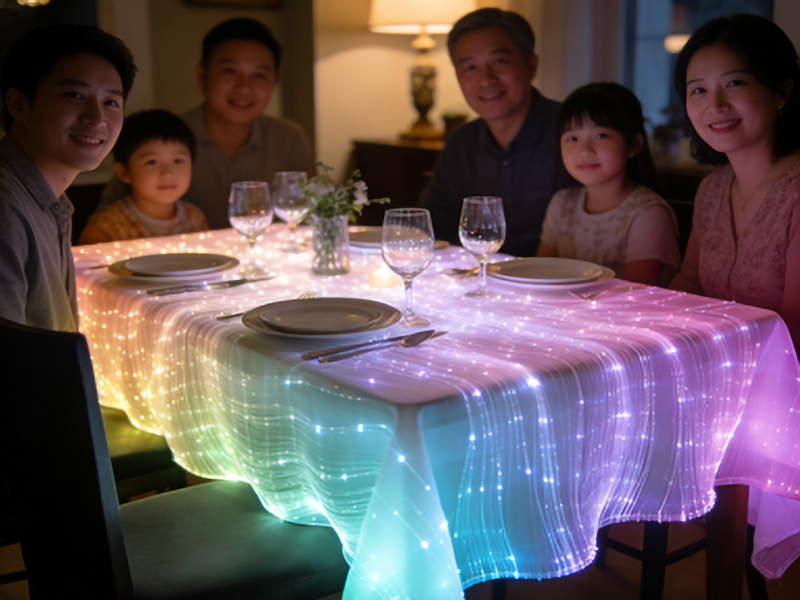
Plastic Optical Fiber (POF) is revolutionizing the way we illuminate everyday objects, turning ordinary items like tablecloths into dazzling displays of light. This article explores how POF technology enhances tablecloth lighting systems, providing insights into its technical aspects and practical applications.
What is Plastic Optical Fiber?
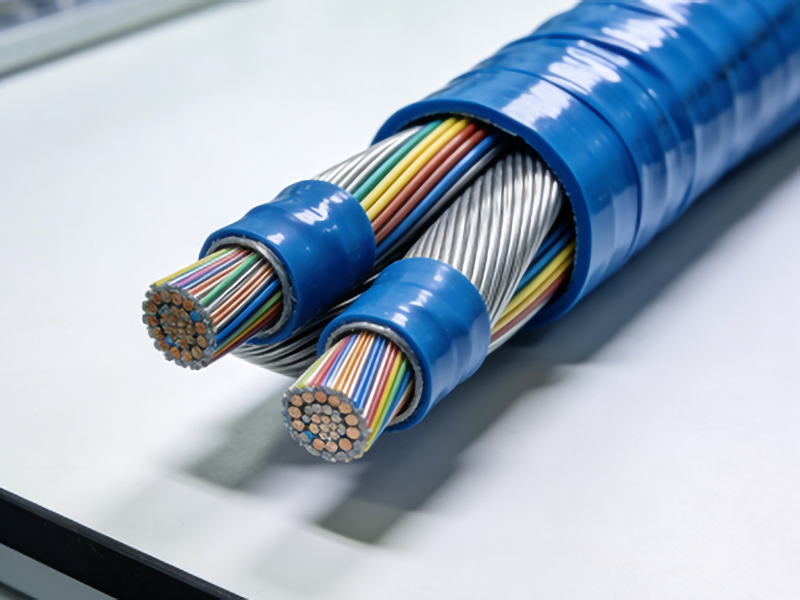
Plastic Optical Fiber, or POF, is a type of fiber optic cable made from plastic materials, primarily acrylic or polystyrene. Unlike traditional glass optical fibers used in telecommunications, POF is designed for shorter-distance light transmission and is more cost-effective, making it ideal for decorative applications such as illuminated tablecloths.
Key Technical Parameters
– Core Diameter: Typically 0.5mm to 1.0mm
– Cladding Diameter: Usually 0.8mm to 1.2mm
– Attenuation: Low, around 3 dB/km at visible wavelengths
– Temperature Range: Suitable for -40°C to +80°C
– Flexibility: Highly flexible, allowing easy bending and shaping
How Does POF Work in Tablecloths?
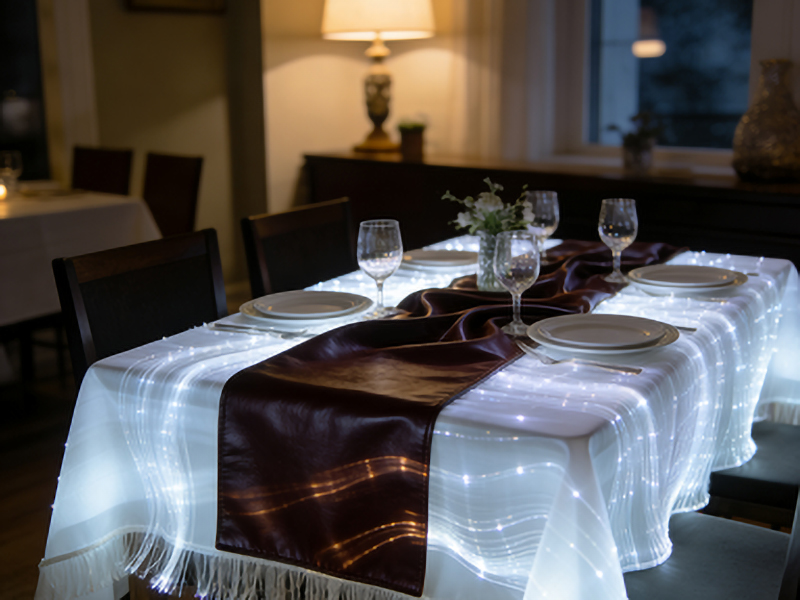
POF works by transmitting light from an LED source through the fiber strands embedded within the tablecloth. When the LEDs are activated, they emit light that travels along the POF strands due to total internal reflection. The light is then diffused across the fabric, creating a soft, even glow.
Lighting System Components
1. LED Drivers: Power the LED lights, ensuring consistent brightness and color accuracy.
2. Fiber Optic Strands: Transmit light from the source to various points on the tablecloth.
3. Diffusion Layers: Spread the light evenly across the fabric for a seamless illumination effect.
4. Control Systems: Allow users to adjust brightness, color, and timing of the lights.
Benefits of Using POF in Tablecloths
1. Aesthetic Appeal
POF allows tablecloths to be transformed into dynamic lighting displays, enhancing the ambiance of any setting—whether it’s a wedding, party, or everyday dining experience.
2. Energy Efficiency
LEDs used with POF are highly energy-efficient, consuming less power while providing bright and vibrant illumination.
3. Durability
POF is resistant to wear and tear, making it suitable for frequent use in tablecloths that undergo regular washing and handling.
4. Customization Options
Users can choose from a variety of colors and lighting patterns, offering endless customization possibilities to match different themes or occasions.
Technical Considerations
Fiber Optic Strand Count
The number of POF strands used in a tablecloth directly impacts the brightness and evenness of the light distribution. A higher strand count ensures more uniform illumination across the entire surface.
LED Quality
High-quality LEDs with precise color reproduction and consistent brightness are essential for optimal performance. Look for LEDs with a wide viewing angle to ensure that the light is spread effectively over the fabric.
Power Supply
A reliable power supply system is critical to maintain consistent lighting performance. Ensure that the power supply can handle the total wattage of all LEDs and POF strands in use.
Maintenance and Care
Cleaning
– Hand Washing: Gently hand wash the tablecloth with mild soap and cold water.
– Machine Washing: If using a washing machine, place the tablecloth in a mesh bag to protect the fibers.
– Drying: Air dry away from direct heat sources to prevent damage to the POF strands.
Storage
Store the tablecloth in a cool, dry place. Avoid folding it tightly as this can cause creases and potential damage to the embedded fibers.
Conclusion
Plastic Optical Fiber is a game-changer for illuminated tablecloths, offering a blend of aesthetic appeal, energy efficiency, and durability. By understanding its technical parameters and practical applications, you can make informed decisions when selecting or designing light-up tablecloth systems. With POF technology, your table setting can become the centerpiece of any event, creating unforgettable experiences for guests.