Introduction
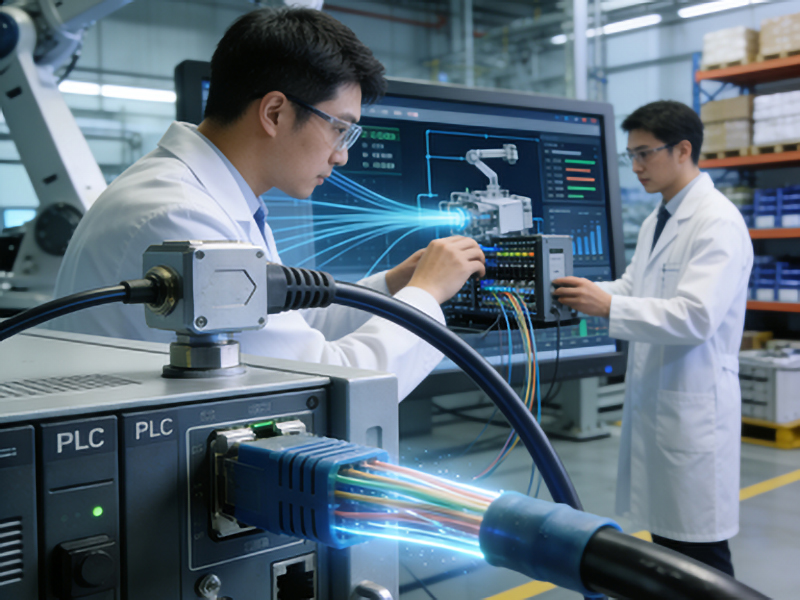
Optical fibers have become an essential component in modern industrial control systems, offering unparalleled performance in data transmission. This article delves into the role of optical fiber in industrial automation, highlighting its advantages, applications, and key considerations for implementation.

The Role of Optical Fiber in Industrial Control
In industrial settings, reliable communication is critical for maintaining operational efficiency and safety. Optical fibers provide a robust solution by transmitting data via light signals, minimizing interference and ensuring high-speed communication over long distances.
Key Advantages of Optical Fiber
1. High-Speed Data Transmission: Optical fibers support gigabit speeds, enabling real-time data transfer essential for industrial automation.
2. Immunity to Electromagnetic Interference (EMI): Unlike copper cables, optical fibers are not affected by EMI, making them ideal for environments with heavy machinery and electrical noise.
3. Long-Distance Communication: With the ability to transmit data over kilometers without signal degradation, optical fibers are perfect for large industrial facilities.
4. Lightweight and Flexible: Optical fibers are lightweight and flexible, reducing installation complexity and costs.
5. Security: Data transmitted via optical fiber is highly secure due to the difficulty of tapping into fiber lines compared to copper cables.
Applications in Industrial Control
Optical fibers find extensive use in various industrial control applications:
– SCADA Systems: Supervisory Control and Data Acquisition systems rely on optical fibers for reliable data transmission across vast networks.
– Robotics and Automation: High-speed communication is crucial for coordinating robotic operations, which optical fibers efficiently provide.
– Process Monitoring and Control: Real-time monitoring of industrial processes benefits from the low latency and high bandwidth offered by optical fibers.
– Industrial IoT (IIoT): The integration of IIoT devices in industrial settings requires robust connectivity, which optical fibers deliver effectively.
Technical Parameters and Considerations
When implementing optical fiber solutions in industrial control systems, several technical parameters must be considered:
1. Fiber Type
– Single-Mode Fiber (SMF): Ideal for long-distance communication due to its ability to transmit signals over thousands of kilometers without significant loss.
– Multi-Mode Fiber (MMF): Suitable for short-distance applications within industrial facilities, offering higher bandwidth capabilities.
2. Connector Types
Common connectors include ST, SC, FC, and LC types, each with specific advantages in terms of durability and ease of use.
3.光缆安装注意事项
在工业环境下,光纤的安装需要考虑温度、湿度和机械应力等因素。选择合适的护套材料可以提高光纤的耐用性和可靠性。
4. 光纤放大器与中继器
为了延长传输距离并增强信号强度,可以使用光纤放大器(如EDFA)或中继器来补偿信号衰减。
Challenges and Solutions
Despite their advantages, optical fibers present certain challenges in industrial settings:
– High Initial Cost: While the long-term benefits justify the investment, the upfront costs can be a barrier for some industries.
– Installation Complexity: Proper installation requires skilled technicians to ensure optimal performance and minimize signal loss.
– Susceptibility to Physical Damage: Optical fibers are more delicate than copper cables and require careful handling during installation and maintenance.
Mitigation Strategies
– Invest in Training: Providing training for technical staff can enhance their skills in installing and maintaining optical fiber systems.
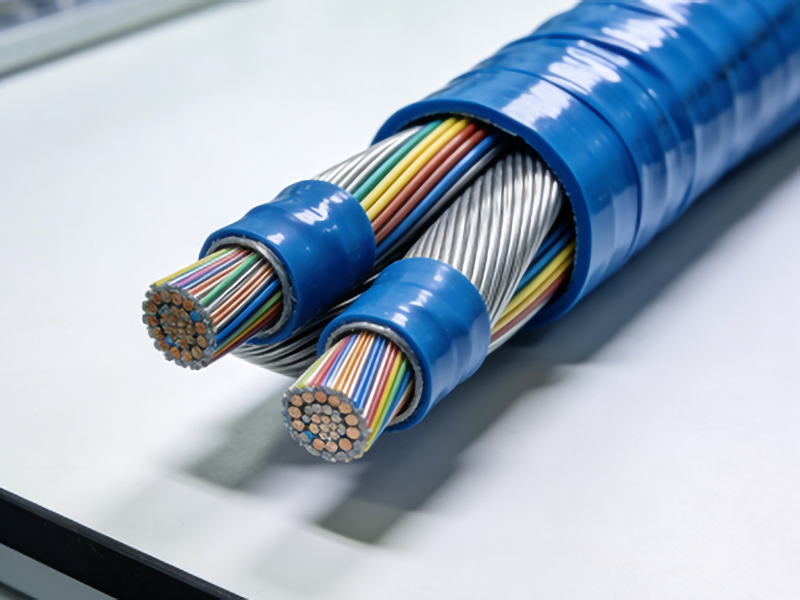
– Use of Protective Cabling: Employing armored or reinforced cabling can safeguard against physical damage.
– Regular Maintenance: Implementing a routine maintenance schedule helps identify and address potential issues before they escalate.
Conclusion
Optical fibers are revolutionizing industrial control systems by providing reliable, high-speed communication with minimal interference. Despite some challenges, their benefits far outweigh the drawbacks, making them an indispensable component in modern industrial automation. As technology continues to advance, optical fibers will play an even more pivotal role in shaping the future of industry.