Introduction
Plastic Optical Fiber (POF) has emerged as a revolutionary material in the field of automotive lighting. With its unique properties and versatility, POF is increasingly being adopted for ambient lighting systems in vehicles. This article delves into the specifics of how POF contributes to modern automotive lighting solutions.
What is Plastic Optical Fiber?
Plastic Optical Fiber (POF) is a type of optical fiber made from plastic materials, primarily polymethyl methacrylate (PMMA). Unlike traditional glass fibers, POF is more flexible, easier to install, and cost-effective. These characteristics make it an ideal choice for various applications, including automotive lighting.
Benefits of POF in Automotive Ambient Lighting
1. Flexibility and Ease of Installation
POF’s flexibility allows it to be easily shaped and routed within the vehicle’s interior. This makes installation simpler compared to traditional wiring systems, reducing production time and costs.
2. Aesthetic Enhancements
Automotive ambient lighting aims to create a premium and modern cabin experience. POF can transmit light uniformly, providing even illumination without harsh spots, enhancing the overall aesthetic appeal of the vehicle’s interior.
3. Energy Efficiency
POF offers low attenuation properties, ensuring minimal loss of light over long distances. This efficiency translates to lower energy consumption, aligning with modern automotive trends towards sustainability and energy conservation.
Technical Parameters of POF in Automotive Lighting
When integrating POF into automotive systems, several technical parameters must be considered:
– Cladding Diameter: Typically ranges from 0.5mm to 1mm, affecting light transmission efficiency.
– Core Diameter: Varies between 0.3mm and 0.8mm, impacting brightness and flexibility.
– Attenuation Coefficient: Generally low, around 0.2 dB/m at visible wavelengths, ensuring efficient light propagation.
– Operating Temperature Range: Designed to withstand temperatures from -40°C to +125°C, suitable for various automotive environments.
Applications of POF in Automotive Lighting
1. Door Illumination
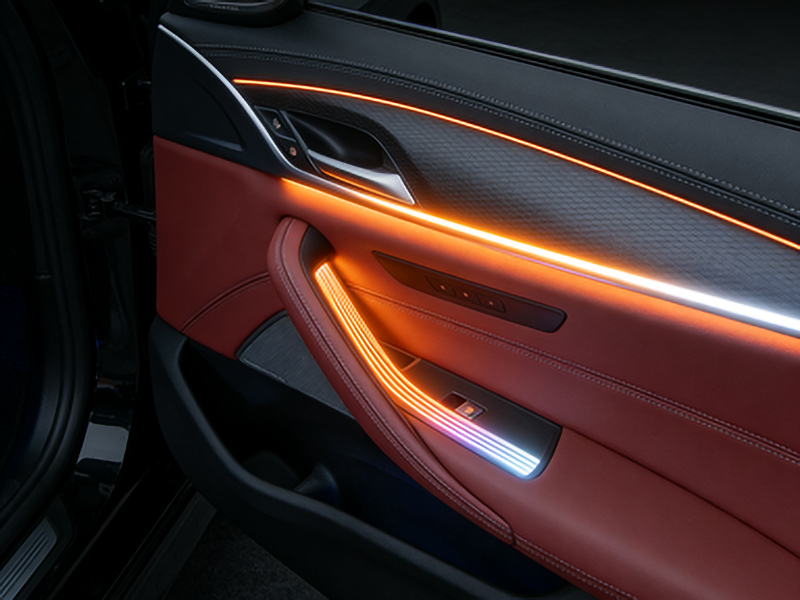
POF is used to illuminate door handles and entry lights, providing a seamless and stylish lighting experience.
2. Instrument Panel Lighting
Integrated into instrument panels, POF enhances the visibility of gauges and controls while maintaining a sleek design.
3. Center Console Lighting
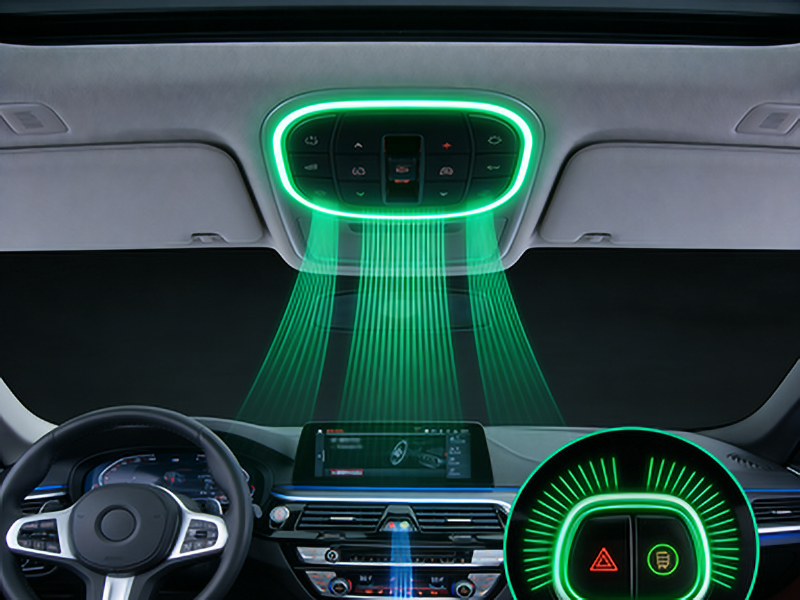
Used in center consoles for ambient lighting, creating a cohesive and elegant interior ambiance.
Challenges and Considerations
While POF offers numerous advantages, there are challenges to consider:
– Light Source Compatibility: Ensuring compatibility with LED drivers is crucial for optimal performance.
– Durability: POF must withstand vibrations and environmental factors common in automotive settings.
– Cost Efficiency: While initial costs may be higher than traditional wiring, long-term benefits often justify the investment.
Conclusion
Plastic Optical Fiber is revolutionizing automotive ambient lighting by offering flexibility, aesthetic enhancements, and energy efficiency. As technology advances, POF is expected to play an even more significant role in creating innovative and sustainable lighting solutions for vehicles. Understanding its technical parameters and applications is key to leveraging its full potential in the automotive industry.