Plastic Optical Fiber (POF) has emerged as a game-changer in the world of decorative lighting, providing innovative solutions that blend aesthetic appeal with technical precision. This article delves into the features, applications, and benefits of POF in enhancing lighting designs across various settings.

What is Plastic Optical Fiber?
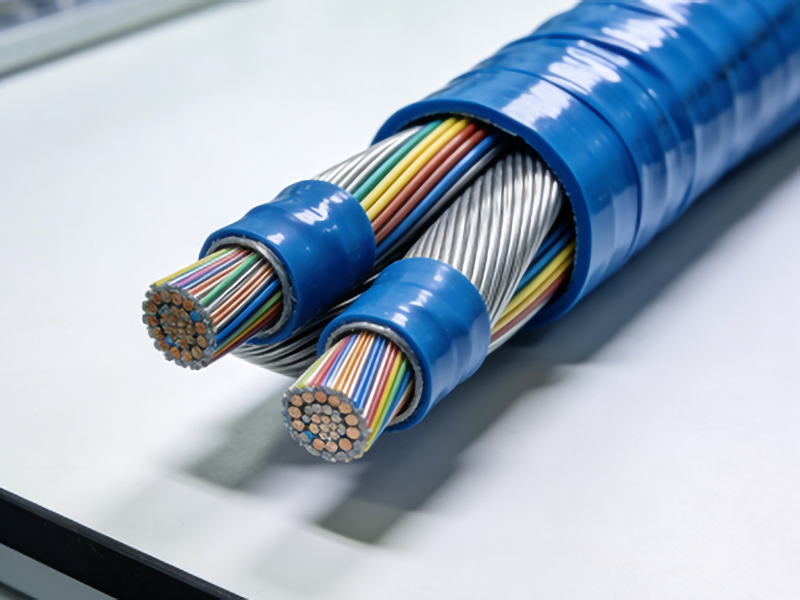
Plastic Optical Fiber (POF) is a type of optical fiber made from high-quality plastic materials, typically polymethyl methacrylate (PMMA). Unlike traditional glass fibers, POF is more flexible, durable, and cost-effective, making it an ideal choice for decorative lighting applications. Its core and cladding structure allows efficient light transmission, enabling vibrant and dynamic lighting effects.
Technical Specifications of Plastic Optical Fiber
To fully understand the capabilities of POF, let’s examine its key technical parameters:
– Core Diameter: Typically ranges from 0.5mm to 1mm, ensuring optimal light propagation.
– Cladding Thickness: Varies depending on the application, usually between 0.25mm and 0.75mm, enhancing flexibility without compromising performance.
– Attenuation: Low attenuation rates (approximately 0.3 dB/m) ensure minimal loss of light over short distances, making POF suitable for lighting within confined spaces.
– Flexibility: Excellent bend radius allows intricate designs without affecting light transmission efficiency.
Applications in Decorative Lighting
POF finds extensive use in various decorative lighting setups due to its unique properties:
1. Lighting Strands and Strings
POF is widely used to create lighting strands and strings for events, holidays, or permanent installations. These strands can be easily shaped into different patterns, offering unparalleled design flexibility.
2. Architectural Lighting
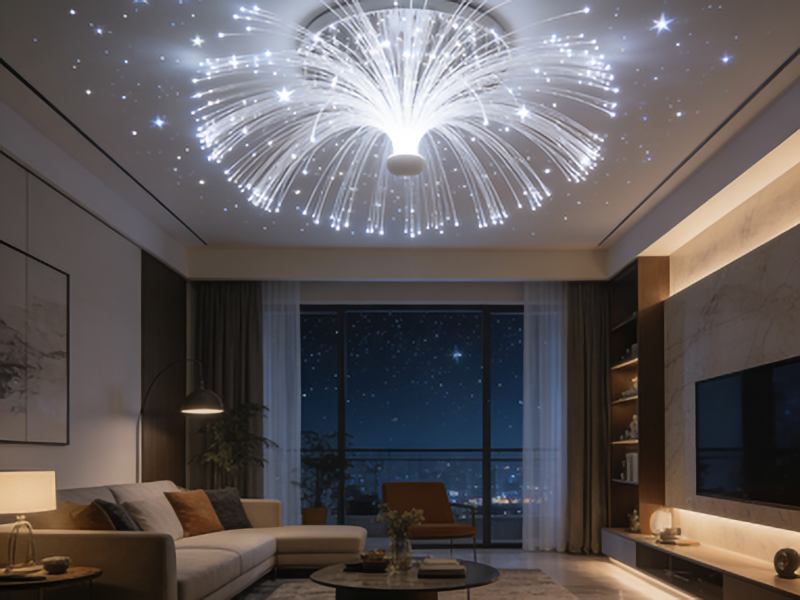
In architectural applications, POF enables the creation of sleek, modern lighting fixtures that integrate seamlessly with interior designs. The fibers’ ability to bend and curve allows for innovative lighting solutions in offices, homes, and public spaces.
3. Artistic Installations
Artists and designers utilize POF to craft mesmerizing light art installations. By controlling the intensity and color of the transmitted light, they can create dynamic and interactive displays that captivate audiences.
Benefits of Using Plastic Optical Fiber
1. Enhanced Aesthetics
POF allows for a wide range of colors and lighting effects, providing designers with the tools to create visually stunning lighting solutions.
2. Cost-Effective Solution
Compared to glass fibers, POF is more affordable, making it accessible for both small-scale projects and large installations.
3. Ease of Installation
The flexibility and lightweight nature of POF simplify installation processes, reducing labor costs and time required for setup.
4. Durability and Safety
POF is less prone to breakage compared to glass fibers, making it a safer option, especially in environments with high foot traffic or frequent handling.
Technical Considerations for Optimal Performance
While POF offers numerous advantages, certain technical aspects must be considered to maximize its performance:
– Light Source Compatibility: Ensure that the light source used is compatible with the fiber’s specifications to achieve optimal brightness and color accuracy.
– Fiber Length Management: Longer fibers may experience increased attenuation; therefore, it’s crucial to balance length with desired lighting intensity.
– Connector and Coupling Efficiency: Proper connectors and coupling techniques are essential to minimize light loss at connection points.
Maintenance and Care
To maintain the integrity and performance of POF installations:
– Regularly inspect fibers for signs of wear or damage.
– Clean connectors and surfaces with appropriate cleaning agents to prevent dust buildup, which can affect light transmission.
– Store unused fibers in protective sleeves to avoid environmental damage.
Conclusion
Plastic Optical Fiber has revolutionized the decorative lighting industry by offering a versatile, cost-effective, and visually appealing solution. Its technical advantages make it an excellent choice for architects, designers, and artists seeking innovative ways to illuminate spaces. As technology continues to advance, POF is expected to play an even more significant role in shaping the future of lighting design.