
Introduction
Plastic optical fiber (POF) has emerged as a transformative technology in the field of urban lighting. Unlike traditional metal wires, POF uses light to transmit data and power efficiently. This article delves into the technical aspects, benefits, applications, and future potential of POF in urban lighting solutions.
Technical Overview of Plastic Optical Fiber
Plastic optical fiber (POF) consists of a core made from plastic polymer materials surrounded by a cladding layer with a lower refractive index. The most common type is step-index POF, which allows total internal reflection for effective light transmission.

Key Parameters
– Core Diameter: Typically ranges between 0.5mm to 1mm, enabling efficient light propagation.
– Attenuation: Lower attenuation compared to glass fibers, making POF ideal for short-distance applications.
– Flexibility: Highly flexible and easy to install, reducing labor costs in urban setups.
Advantages of POF in Urban Lighting
1. Enhanced Energy Efficiency
POF systems are known for their low power consumption and high efficiency in light transmission, leading to significant energy savings.
2. Cost-Effective Installation
The lightweight and flexibility of POF reduce installation costs and simplify maintenance compared to traditional wiring.
3. Aesthetic Appeal
Urban lighting solutions using POF offer sleek designs that blend seamlessly with modern cityscapes, enhancing the overall aesthetic appeal.
Applications in Urban Lighting
1. Street Lighting: POF is used to power LED streetlights efficiently, ensuring consistent brightness and minimal energy loss.
2. Public Transportation Systems: Integration into bus stops and train stations for reliable lighting solutions.
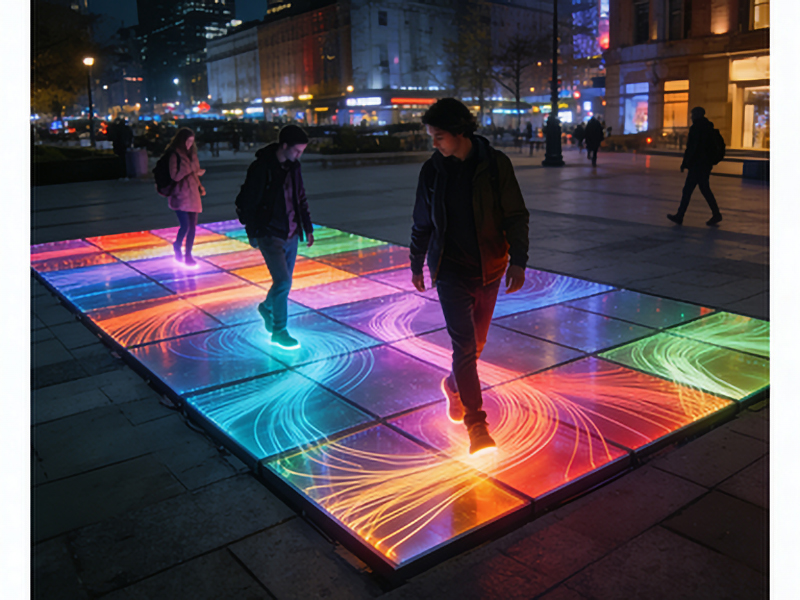
3. Architectural Illumination: Utilized in illuminating buildings and monuments with dynamic lighting effects.
Technical Considerations
When implementing POF in urban lighting, factors such as fiber length, bend radius, and environmental conditions must be considered to ensure optimal performance.
Future Trends
The integration of smart technologies with POF is expected to enhance urban lighting systems further. Future advancements may include adaptive lighting based on real-time data and increased energy efficiency through improved materials.
Conclusion
Plastic optical fiber is paving the way for smarter, more efficient urban lighting solutions. Its unique advantages make it an ideal choice for cities looking to modernize their infrastructure while reducing environmental impact.