Introduction
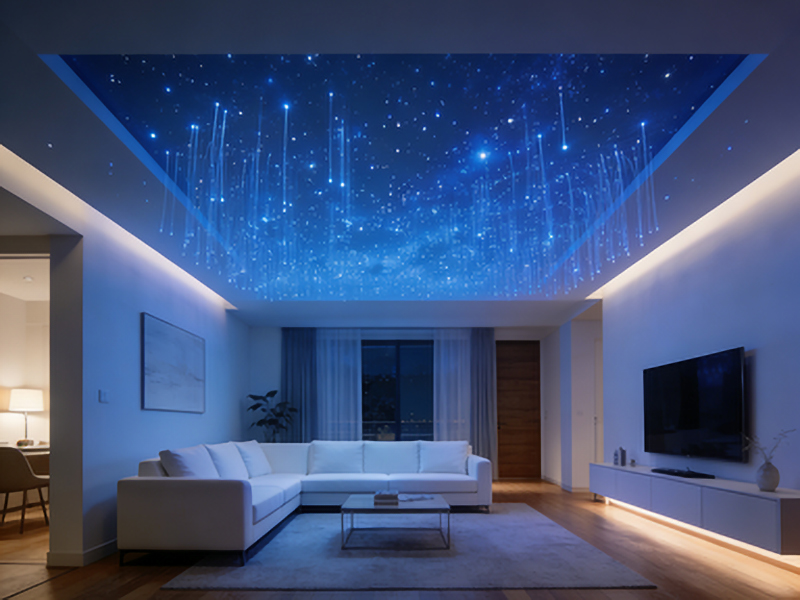
Optical fiber decoration has emerged as a cutting-edge solution for modern interior design, offering both aesthetic appeal and functional benefits. This article explores the technical aspects, applications, and considerations when integrating optical fibers into indoor spaces.
Technical Overview of Optical Fibers
What Are Optical Fibers?
Optical fibers are slender strands of glass or plastic, typically measuring about 125 micrometers in diameter—thinner than a human hair. They transmit light signals over long distances with minimal loss, thanks to their core-cladding structure:
– Core: The central part where light travels.
– Cladding: A surrounding layer with a lower refractive index, causing total internal reflection to keep light within the core.
Key Parameters of Optical Fibers
Understanding technical parameters is crucial for selecting the right optical fibers for decoration:
1. Numerical Aperture (NA): Indicates how much light can enter the fiber. A higher NA means a broader acceptance angle but lower resolution, ideal for diffuse lighting effects.
2. Attenuation: Measured in decibels per kilometer (dB/km), it represents signal loss over distance. Lower attenuation is better for maintaining brightness.
3. Flexibility: Fibers with high flexibility are easier to bend and shape into decorative elements without breaking or degrading performance.
Applications in Interior Design
Lighting Effects
Optical fibers can create stunning lighting effects such as:
– Fiber Optic Trees: Mimicking natural light filtering through leaves, creating a serene ambiance.
– Wall Installations: Embedding fibers into walls for dynamic, customizable backlit designs.
– Chandeliers and Pendant Lights: Adding a touch of modern elegance with glowing fiber optics.
Customization Options
The versatility of optical fibers allows for extensive customization:
– Color Options: Fibers can be colored or combined with RGB LED lights for vibrant effects.
– Shape and Layout: Fibers can be arranged in patterns, curves, or intricate designs to match the room’s aesthetic.
– Brightness Control: Adjusting light intensity through dimmers or remote controls enhances flexibility.
Installation Considerations
Choosing the Right Fiber Type
– Glass vs. Plastic: Glass fibers offer higher clarity and brightness but are more fragile. Plastic fibers are more durable and cost-effective, ideal for high-traffic areas.
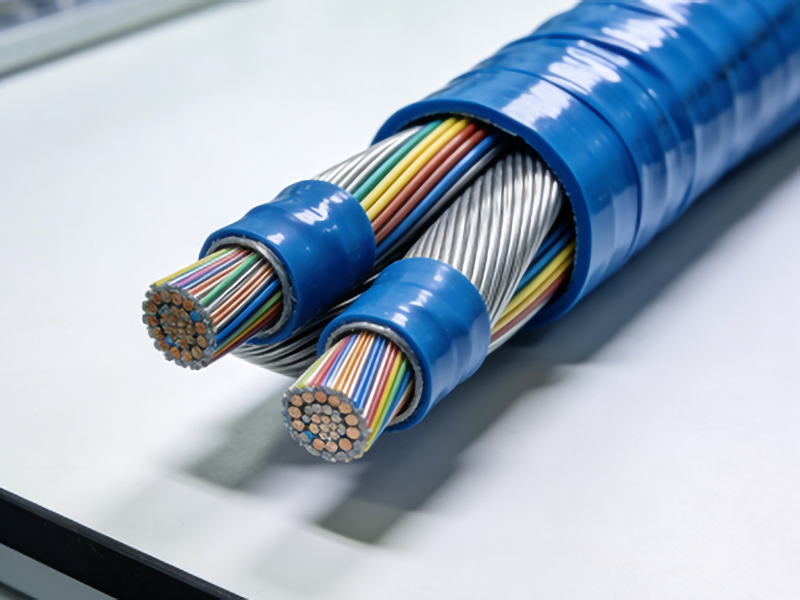
– Multi-fiber Cables: Bundling multiple fibers together allows for more complex lighting patterns while simplifying installation.
Lighting Source Selection
Selecting the appropriate light source is critical:
– LED Lights: High efficiency, long lifespan, and color variety make LEDs the preferred choice.
– Laser Modules: For applications requiring intense, focused light beams, such as fiber optic trees or wall art.
Safety and Maintenance
– Proper Fixation: Securely fasten fibers to prevent tangling or damage from vibrations.
– Regular Cleaning: Dust accumulation can reduce light transmission; use soft brushes or lint-free cloths for maintenance.
Conclusion
Optical fiber decoration offers a unique blend of technology and artistry, transforming interiors into spaces that are both functional and visually striking. By understanding the technical aspects and application possibilities, you can create innovative lighting solutions tailored to your design vision.