What is Plastic Optical Fiber (POF)?
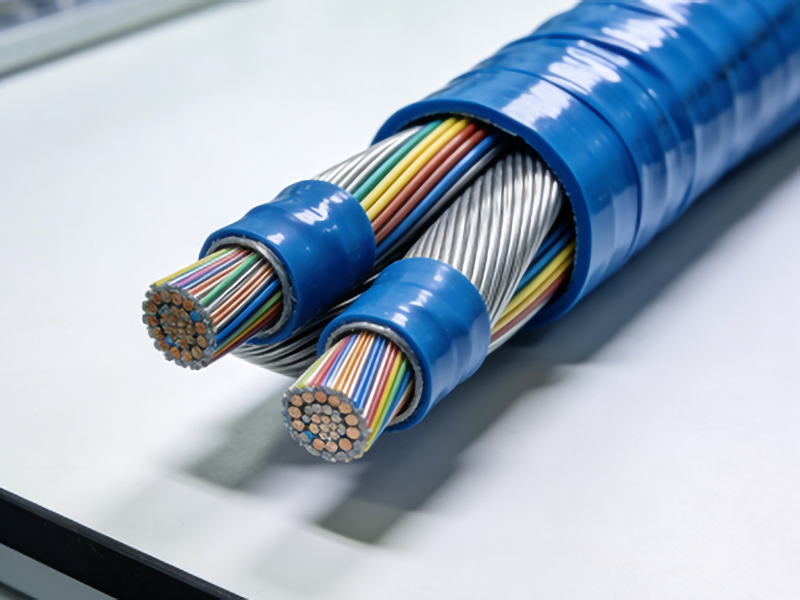
Plastic Optical Fiber (POF) is a type of fiber optic cable that uses plastic as the core material instead of glass. This makes it more flexible, durable, and cost-effective compared to traditional glass-based optical fibers. POF is widely used in various applications, including streamer data cables, where high-speed data transmission with minimal loss is crucial.
Key Features of Plastic Optical Fiber
1. High Flexibility: The plastic material allows POF to bend easily without breaking, making it ideal for complex network setups.
2. Cost-Effective: Lower production costs compared to glass fibers make POF an economical choice for data transmission needs.
3. Excellent Signal Integrity: Despite being made of plastic, POF maintains high signal quality over short to medium distances.
4. Ease of Installation: The lightweight and flexible nature of POF simplifies installation processes, reducing time and labor costs.
5. Resistance to Interference: Unlike copper cables, POF is immune to electromagnetic interference (EMI), ensuring reliable data transmission in noisy environments.
Technical Specifications of Plastic Optical Fiber
When selecting a plastic optical fiber for streamer data cables, consider the following technical parameters:
– Core Diameter: Typically ranges from 50 μm to 1 mm. A larger core diameter allows more light to pass through, increasing transmission capacity.
– Cladding Diameter: Usually around 62.5 μm or 1 mm, providing optimal protection and maintaining signal integrity.
– Attenuation: POF has higher attenuation compared to glass fibers, typically ranging from 10 dB/km to 30 dB/km. This means shorter transmission distances are more suitable for POF applications.
– Bandwidth: The bandwidth of POF is generally lower than that of glass fibers, around 50 MHz·km to several GHz·km, making it suitable for high-speed data transmission up to a few gigabits per second.
– Operating Temperature Range: Most POF cables can operate between -40°C and +80°C, ensuring reliability in various environmental conditions.
Applications of Plastic Optical Fiber
Plastic optical fiber finds extensive use in different industries:
1. Streamer Data Cables: Used for high-speed data transmission in streaming applications, ensuring smooth video and audio delivery.
2. Industrial Automation: Employed in industrial settings to connect sensors, actuators, and control systems, providing reliable communication despite harsh conditions.
3. Medical Equipment: Utilized in medical devices for transmitting data with low latency and minimal interference, crucial for accurate diagnostics and treatment.
4. Automotive Industry: Integrated into vehicles for data transmission between different components, enhancing performance and safety features.
5. Telecommunications: Used as a cost-effective alternative to glass fibers in certain network infrastructure applications.
Advantages of Using Plastic Optical Fiber in Streamer Data Cables
1. High-Speed Transmission: POF supports high-speed data rates, ensuring seamless streaming without buffering or latency issues.
2. Low Latency: Minimal signal delay ensures real-time data transfer, critical for live streaming and interactive applications.
3. Immunity to EMI: Unlike copper cables, POF does not suffer from electromagnetic interference, providing stable connections even in environments with high levels of electrical noise.
4. Lightweight and Flexible: The lightweight nature of POF makes it ideal for portable streamer setups, while flexibility allows easy routing through complex pathways.
5. Cost Efficiency: Lower material and production costs make POF an attractive option for budget-conscious projects without compromising on performance.
Challenges and Limitations of Plastic Optical Fiber
While plastic optical fiber offers numerous advantages, it also has some limitations:
1. Shorter Transmission Distance: Higher attenuation in POF limits its effective transmission distance compared to glass fibers. Typically, POF is suitable for short to medium-range applications (up to a few kilometers).
2. Lower Bandwidth: The bandwidth of POF is generally lower than that of glass fibers, which might restrict its use in high-capacity data transmission scenarios.
3. Temperature Sensitivity: Some types of POF may be sensitive to extreme temperatures, affecting their performance and lifespan.
4. Connectivity Issues: Termination and splicing of POF can be more challenging than traditional glass fibers due to the material’s flexibility and size differences.
Choosing the Right Plastic Optical Fiber for Your Streamer Data Cable
When selecting a plastic optical fiber for your streamer data cable, consider the following factors:
1. Transmission Distance: Determine the required distance for your data transmission. If it exceeds a few kilometers, POF may not be the best choice.
2. Data Rate Requirements: Assess the necessary speed and bandwidth for your application to ensure POF can handle the load effectively.
3. Environmental Conditions: Evaluate the operating environment, including temperature ranges and exposure to harsh conditions, to choose a POF that can withstand these factors.
4. Budget Constraints: Compare the costs of POF with other options like glass fibers or copper cables to find the most economical solution for your project.
5. Installation Complexity: Consider the ease of installation and maintenance, as POF may require specific tools and techniques for optimal performance.
Conclusion
Plastic optical fiber offers a cost-effective and flexible solution for streamer data cables, providing reliable high-speed data transmission with minimal interference. Despite its limitations in longer distances and higher bandwidths, POF remains a popular choice in various industries due to its advantages in flexibility, durability, and ease of use. By understanding the technical specifications and application requirements, you can make an informed decision on whether POF is the right solution for your streamer data cable needs.