Introduction
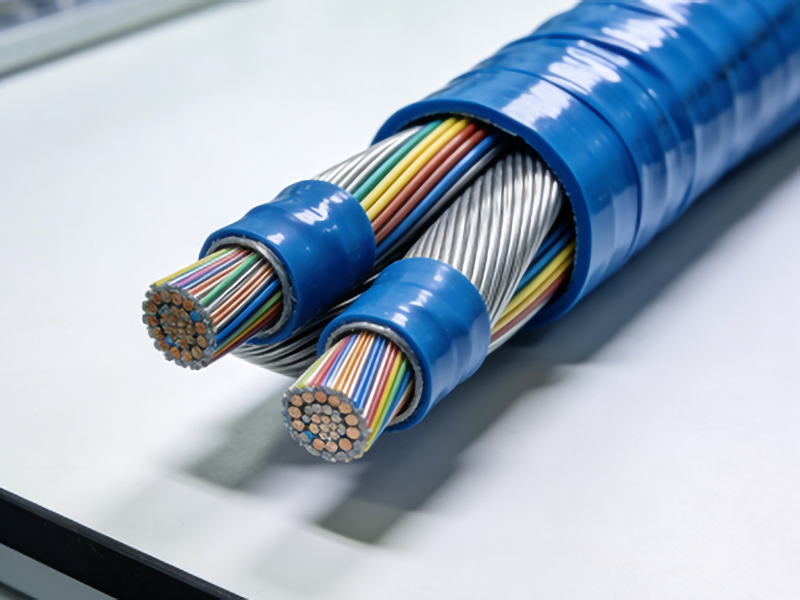
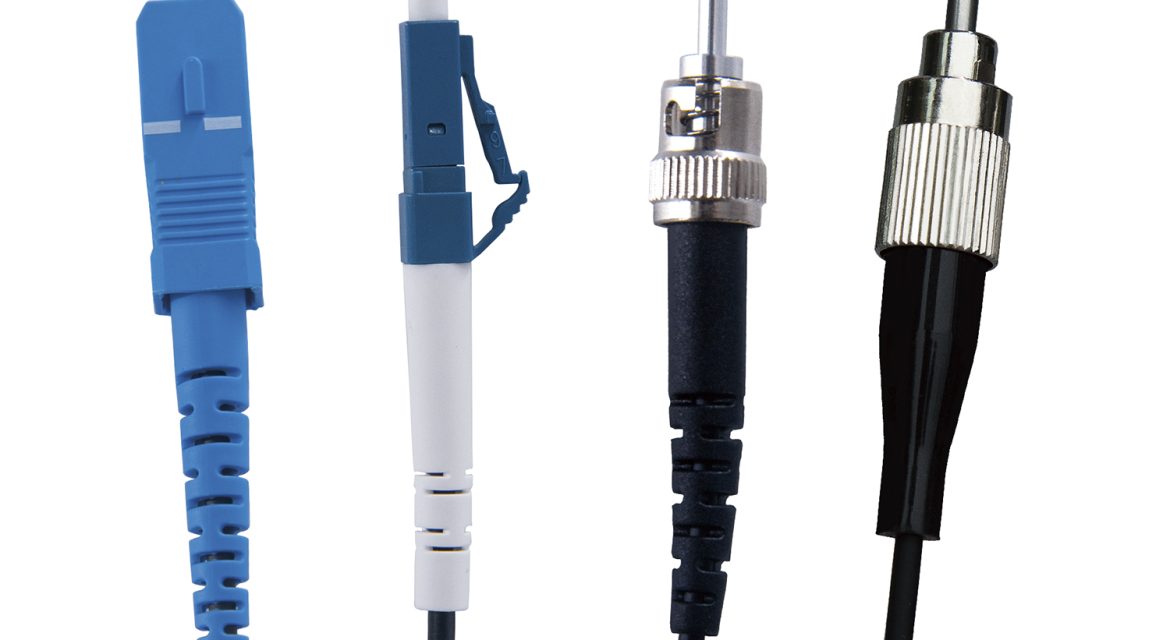
Plastic Optical Fiber (POF) has emerged as a revolutionary solution in the field of audio cabling. Unlike traditional copper cables, POF offers a unique combination of flexibility, durability, and superior performance in transmitting high-fidelity audio signals. This article delves into the technical aspects, advantages, applications, and future potential of plastic optical fiber for audio cables.
What is Plastic Optical Fiber?
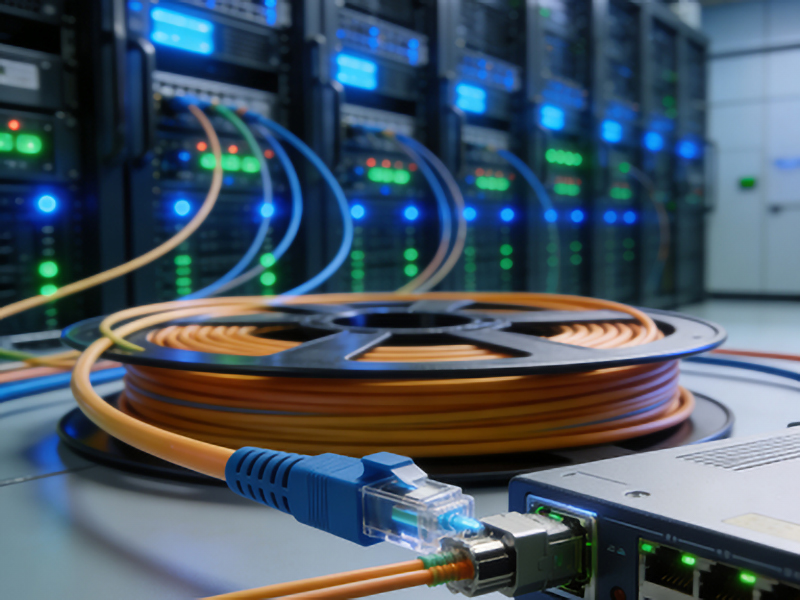
Plastic Optical Fiber (POF) is an innovative material designed to transmit light signals over long distances with minimal loss. It consists of a core made from high-quality polymer materials surrounded by a cladding layer that ensures efficient signal transmission. POF is widely used in various applications, including audio systems, due to its ability to handle both analog and digital signals effectively.
Technical Specifications
Core Diameter
The core diameter of POF typically ranges between 0.5 mm to 1 mm. This size allows for optimal light propagation while maintaining flexibility and ease of handling.
Cladding Thickness
Cladding thickness is usually around 0.2 mm, providing the necessary protection against signal interference and mechanical stress.
Bandwidth
POF offers a bandwidth that can extend up to several gigahertz, making it suitable for high-resolution audio applications. The bandwidth determines how much data can be transmitted over the fiber per second, which is crucial for maintaining signal integrity in complex audio setups.
Loss Characteristics
The attenuation of POF is higher than that of glass optical fibers but significantly lower compared to copper cables. Typical attenuation values range from 50 dB/km to 100 dB/km at visible wavelengths. This makes POF a practical choice for short-distance applications like home theaters or studio setups.
Advantages of Plastic Optical Fiber in Audio Cables
High-Fidelity Signal Transmission
POF ensures minimal signal degradation, preserving the quality and clarity of audio signals even over longer distances. This is particularly beneficial in professional audio environments where maintaining signal integrity is paramount.
Immunity to Electromagnetic Interference (EMI)
One of the standout advantages of POF is its complete immunity to electromagnetic interference. Unlike copper cables that can be susceptible to EMI, POF operates by transmitting light signals, which are unaffected by external electrical fields. This makes it ideal for use in environments with high levels of electromagnetic noise.
Flexibility and Durability
POF is highly flexible and resistant to mechanical stress, making it easy to install and maintain. Its durability ensures long-lasting performance even under challenging conditions, such as frequent bending or exposure to harsh environmental factors.
Cost-Effective Solution
Compared to glass optical fibers, POF is more economical to produce and install. This makes it an attractive option for both consumer-grade and professional audio equipment manufacturers seeking a high-performance yet affordable solution.
Applications of Plastic Optical Fiber in Audio Systems
Home Theater Systems
POF-based audio cables are widely used in home theater setups due to their ability to deliver crisp, clear sound without any signal loss. They provide an excellent alternative to traditional copper cables for connecting speakers, subwoofers, and other audio components.
Professional Studio Equipment
In professional recording studios, POF is utilized for its high bandwidth and immunity to interference. It ensures that the recorded audio remains pristine, free from any distortions or noise caused by external sources.
Car Audio Systems
The automotive industry has also embraced POF for in-car entertainment systems. Its lightweight nature and resistance to vibrations make it an ideal choice for modern vehicles where space and durability are critical factors.
Challenges and Limitations
While POF offers numerous benefits, there are some challenges that need to be considered:
– Higher Attenuation Compared to Glass Fibers: Although POF is more cost-effective, its higher attenuation means it’s not suitable for long-distance applications where signal loss could be problematic.
– Limited Bandwidth in Some Applications: For extremely high-frequency audio signals or large data transfers, the bandwidth of POF may fall short compared to glass optical fibers.
The Future of Plastic Optical Fiber in Audio Technology
As technology continues to evolve, so does the application of plastic optical fiber. Innovations in polymer materials and manufacturing techniques are expected to enhance the performance characteristics of POF further. This includes improvements in bandwidth capacity, reduced attenuation, and increased durability. These advancements will likely make POF an even more appealing option for a wide range of audio applications.
Conclusion
Plastic Optical Fiber represents a significant leap forward in audio cabling technology. Its ability to deliver high-fidelity sound with minimal interference and signal loss makes it a preferred choice for both home and professional audio systems. As the technology matures, POF is poised to become an integral part of modern audio infrastructure, offering unparalleled performance and reliability.