Introduction
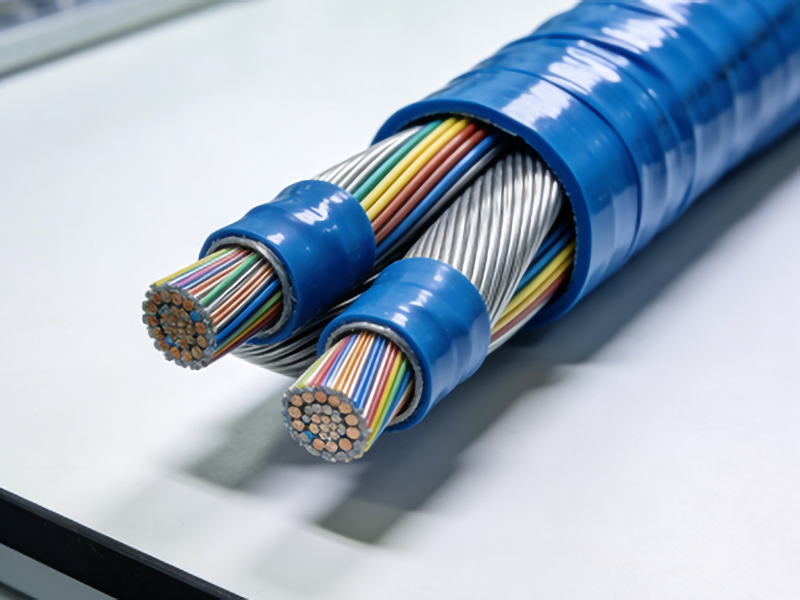
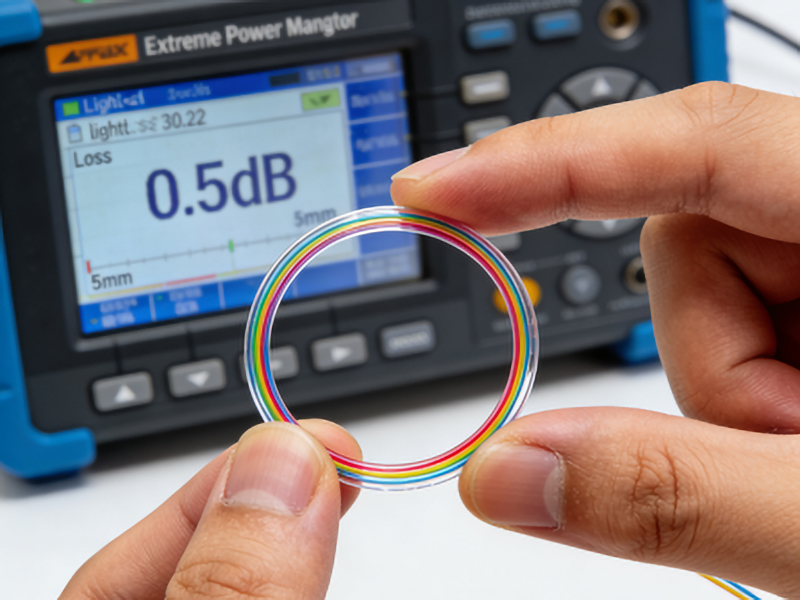
Flexible solid-core plastic optical fiber (FSC-POF) has emerged as a versatile solution in the field of optical communications. This article delves into its structure, technical specifications, advantages, and real-world applications.
What is Flexible Solid-Core Plastic Optical Fiber?
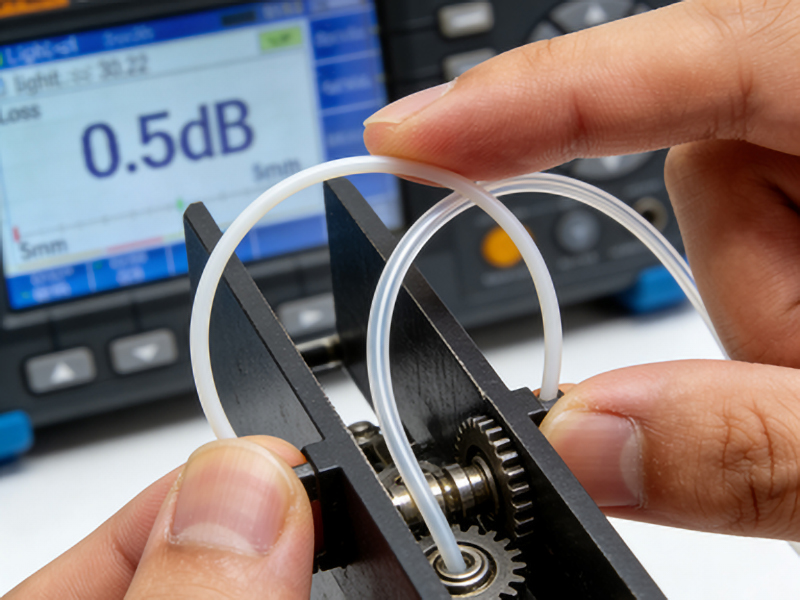
FSC-POF combines the flexibility of traditional plastic optical fibers with a solid core design. Unlike conventional step-index multimode fibers, FSC-POF uses a graded-index core to reduce modal dispersion, enabling higher data rates over longer distances.
Technical Specifications and Parameters
1. Core Diameter: Typically ranges from 50μm to 200μm, optimized for specific applications.
2. Cladding Diameter: Varies between 125μm to 900μm depending on the required flexibility and protection.
3. Numerical Aperture (NA): Usually in the range of 0.4 to 0.6, ensuring efficient light capture and transmission.
4. Attenuation: Low attenuation values, around 5-10 dB/km at 850nm wavelength, making it suitable for short-distance applications.
5. Bandwidth: Supports up to several GHz·km, ideal for high-speed data communication.
6. Temperature Range: Operates effectively from -40°C to +85°C, ensuring reliability in diverse environments.
Advantages of FSC-POF
– Flexibility and Durability: The solid core design offers enhanced mechanical stability without sacrificing flexibility.
– Cost-Effective: Lower production costs compared to glass fibers make it an economical choice for various applications.
– Ease of Use: Simpler handling and termination processes reduce installation time and complexity.
– Wavelength Compatibility: Works efficiently with visible light sources, typically in the 400-850nm range, supporting a wide range of optical components.
Applications of Flexible Solid-Core Plastic Optical Fiber
1. Telecommunications: Used in local area networks (LANs) and fiber-to-the-home (FTTH) solutions for high-speed data transmission.
2. Industrial Automation: Ideal for harsh environments due to its durability and resistance to electromagnetic interference (EMI).
3. Medical Imaging: Employed in endoscopes and imaging devices for their flexibility and high-resolution image transmission.
4. Automotive Systems: Utilized in vehicle networking, providing reliable communication between sensors and control units.
5. Aerospace: Used in aircraft wiring to reduce weight while maintaining high data integrity.
Challenges and Limitations
– Signal Loss Over Distance: Higher attenuation compared to glass fibers limits its use to shorter distances (typically up to a few kilometers).
– Modal Dispersion: Although reduced with graded-index cores, some dispersion still affects signal quality over longer links.
– Temperature Sensitivity: While FSC-POF operates across a wide temperature range, extreme conditions can impact performance.
Conclusion
Flexible solid-core plastic optical fiber offers a balance of flexibility, durability, and high performance, making it an essential component in various industries. Its applications span telecommunications, industrial automation, medical devices, automotive systems, and aerospace, providing cost-effective solutions for short-distance, high-speed data transmission.