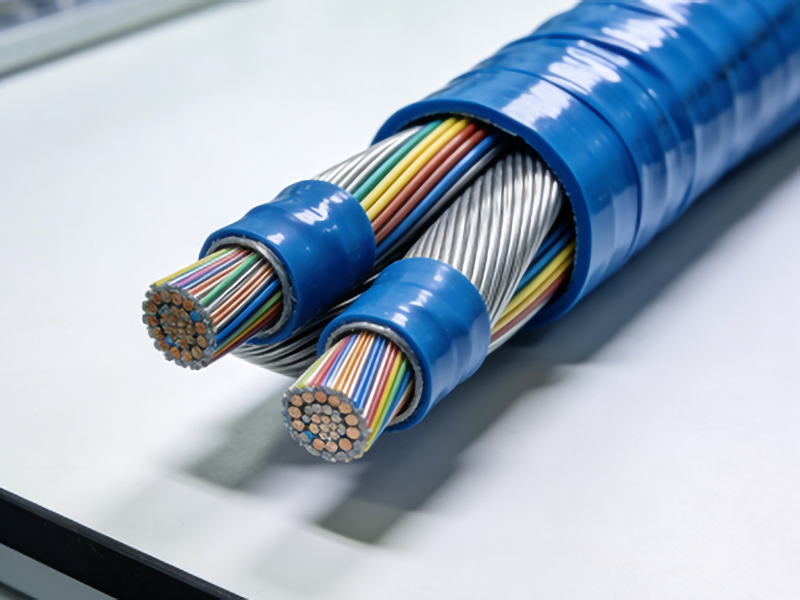

Introduction
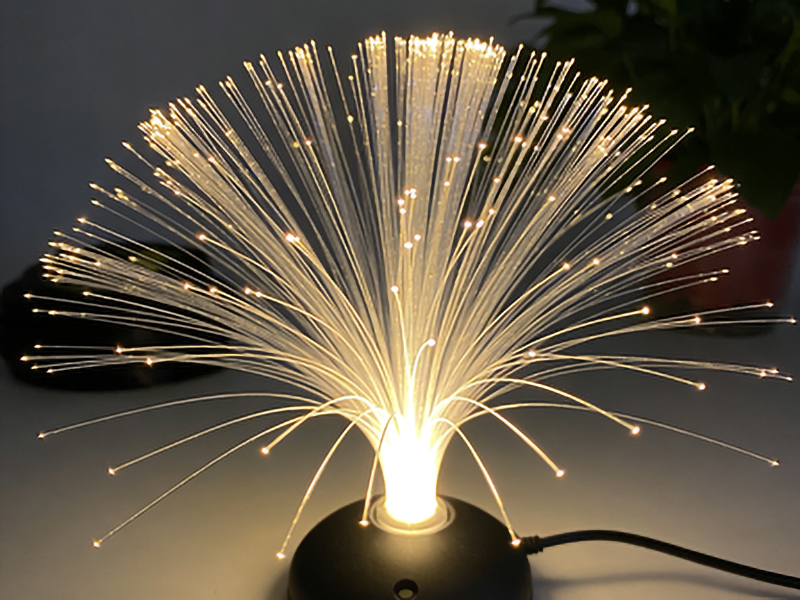
Plastic Optical Fibers (POFs) are revolutionizing the field of optical communication with their unique properties and versatility. Unlike traditional glass-based optical fibers, POFs offer a range of advantages that make them ideal for various applications.
Technical Overview
Structure and Composition
Plastic Optical Fibers are typically composed of an inner core made of high refractive index polymer material and an outer cladding with a lower refractive index. This structure ensures efficient light transmission through total internal reflection.
Key Parameters
– Core Diameter: Ranges from 0.5 mm to several millimeters, affecting bandwidth and attenuation.
– Cladding Thickness: Varies depending on the application, influencing flexibility and durability.
– Refractive Index Difference (Δ): Typically between 1% to 2%, crucial for maintaining signal integrity over distances.
Attenuation Characteristics
Attenuation in POFs is higher than in glass fibers but has improved significantly with advancements in polymer materials. Typical attenuation ranges from 50 dB/km to several hundred dB/km, depending on the wavelength and fiber quality.
Applications of Plastic Optical Fibers
Communication Systems
POFs are widely used in premises cabling for local area networks (LANs), offering high-speed data transmission at a lower cost compared to glass fibers.
Lighting and Decoration
Their ability to transmit light over long distances makes them perfect for decorative lighting applications, such as in architecture, stage lighting, and automotive interiors.
Industrial Sensing
Used in harsh environments for temperature, pressure, and strain sensing due to their high flexibility and chemical resistance.
Advantages of Plastic Optical Fibers
1. Cost-Effective: Lower production costs compared to glass fibers make them an attractive option for mass applications.
2. Flexibility: High bendability allows for easy installation in complex environments.
3. Durability: Resistant to environmental factors such as temperature fluctuations and UV exposure, enhancing longevity.
4. Ease of Use: Simpler termination and handling processes compared to glass fibers reduce the need for specialized equipment and training.
Challenges and Limitations
– Signal Loss: Higher attenuation compared to glass fibers limits their effective transmission distance.
– Bandwidth Constraints: Smaller core sizes can limit bandwidth, affecting high-speed data transmission capabilities.
– Temperature Sensitivity: Some polymer materials may experience degradation under extreme temperatures, impacting performance over time.
Future Trends and Innovations
The development of advanced polymers with lower attenuation and higher refractive index differences is a key focus area. Additionally, integration with emerging technologies like Li-Fi (Light-Fidelity) promises to expand the application scope of POFs in high-speed data communication systems.
Conclusion
Plastic Optical Fibers represent a significant advancement in optical communication technology, offering a balance between cost-effectiveness and performance. As research continues to address their limitations, POFs are poised to play an even greater role in shaping future communication networks.