Introduction
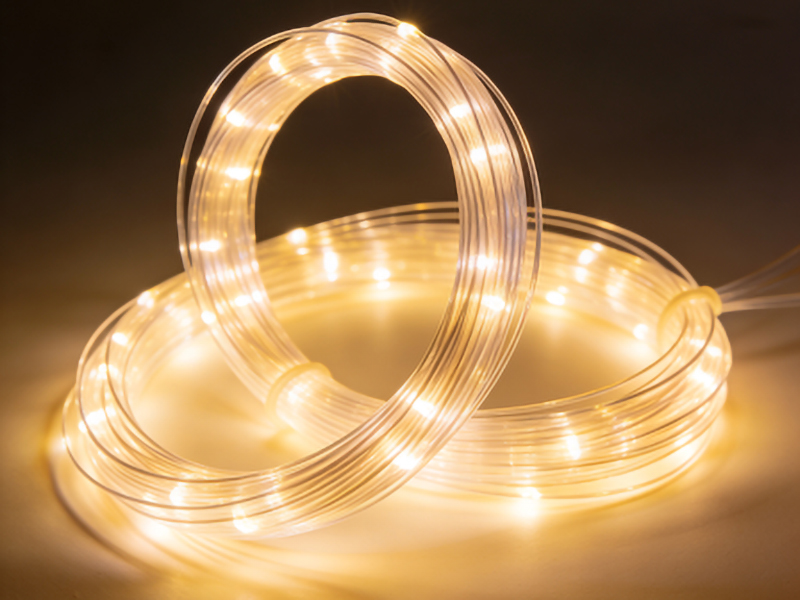
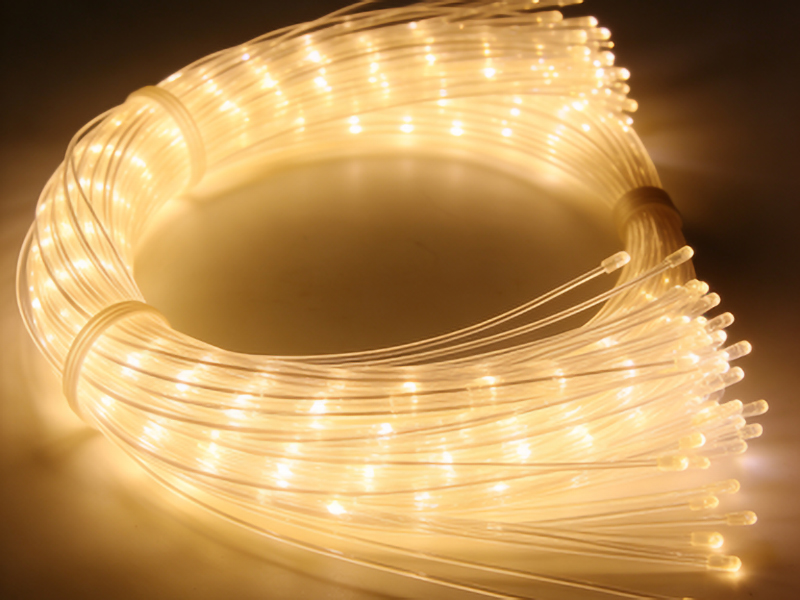
Solid-core full-body light-emitting optical fiber is an advanced technological innovation that has revolutionized the field of fiber optics. This cutting-edge material allows for efficient light transmission with minimal loss, making it ideal for a wide range of applications across multiple industries.
Technical Specifications
Core Material
The solid core is typically made from high-purity silica glass (SiO₂), ensuring optimal light transmission and durability. The core diameter generally ranges between 50 to 200 micrometers, depending on the specific application requirements.
Cladding
Surrounding the core is a cladding layer, usually composed of fluorinated polymer or ultra-pure silica with a lower refractive index than the core. This design ensures that light remains within the core through total internal reflection, minimizing signal loss and enhancing efficiency.
Coating
The fiber is protected by an outer coating of UV-curable acrylate or silicone, providing mechanical strength and protection against environmental factors such as moisture and temperature fluctuations. The coating thickness typically ranges from 250 to 500 micrometers.
Key Features
– High Light Transmission Efficiency: Minimal light loss over long distances due to the advanced core-cladding design.
– Durability: Robust construction ensures longevity even in harsh environmental conditions.
– Versatility: Suitable for various applications including lighting, sensing, and telecommunications.
Applications
Lighting Systems
Solid-core full-body light-emitting optical fibers are extensively used in architectural lighting, stage lighting, and decorative illumination. Their ability to emit light uniformly along their length makes them perfect for creating ambient lighting effects.
Medical Applications
In the medical field, these fibers are employed in endoscopic procedures and laser surgery, providing precise light delivery with minimal invasiveness.
Telecommunications
The high transmission efficiency of solid-core fibers makes them ideal for use in high-speed data communication networks, ensuring reliable and fast data transfer over long distances.
Sensing Applications
Used in fiber optic sensors for temperature, pressure, and strain measurements, these fibers offer enhanced sensitivity and reliability compared to traditional sensing methods.
Advantages Over Traditional Fibers
– Improved Efficiency: Higher light transmission efficiency reduces the need for additional amplifiers, lowering operational costs.
– Reduced Signal Loss: Advanced core-cladding design minimizes signal degradation over long distances.
– Cost-Effective: Despite their advanced features, solid-core fibers offer a cost-effective solution compared to other high-performance optical materials.
Challenges and Limitations
While solid-core full-body light-emitting optical fibers offer numerous advantages, they also present some challenges:
– High Initial Cost: The production process is complex, leading to higher initial investment costs.
– Installation Complexity: Requires skilled personnel for proper installation and maintenance.
– Limited Flexibility: Compared to certain other fiber types, solid-core fibers may have reduced flexibility, limiting their use in specific applications.
Future Trends
The future of solid-core full-body light-emitting optical fibers looks promising with ongoing research focused on improving their performance and expanding their applications. Potential advancements include:
– Enhanced Durability: Development of more resilient coatings to withstand extreme conditions.
– Increased Flexibility: Innovations in manufacturing processes to improve the fiber’s bend resistance without compromising its structural integrity.
– Integration with Smart Systems: Incorporation into Internet of Things (IoT) devices for real-time monitoring and control systems.
Conclusion
Solid-core full-body light-emitting optical fibers represent a significant leap forward in fiber optics technology. With their ability to efficiently transmit light over long distances, they are indispensable in various industries ranging from lighting to telecommunications. As research continues, we can expect even more innovative applications and improvements in their performance, solidifying their position as a key component in modern technological infrastructure.