
Introduction

Short-distance communication mediums are essential for efficiently transmitting data over limited physical ranges. These mediums play a pivotal role in various applications, from personal devices to industrial systems. Understanding the different types of short-distance communication mediums can help optimize connectivity and ensure seamless data transfer.
Types of Short-Distance Communication Mediums
1. Copper Cables
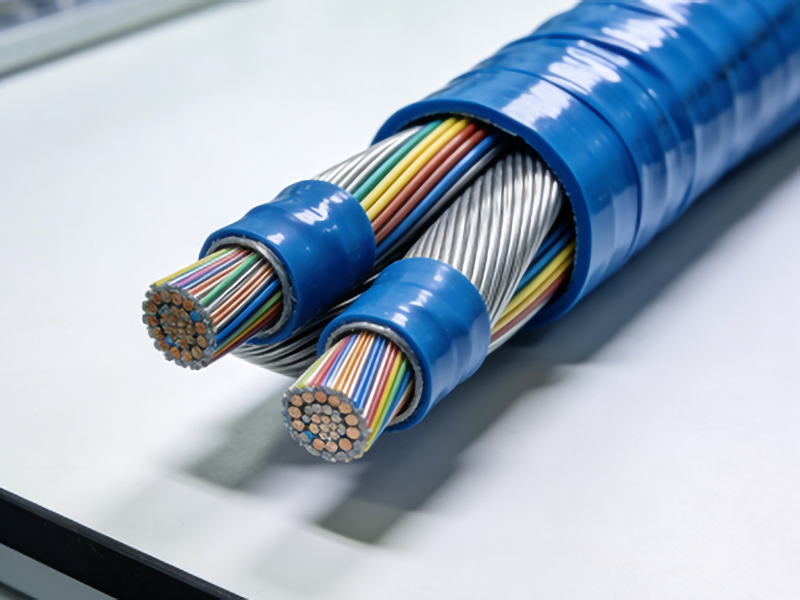
Copper cables are widely used for short-distance communication due to their reliability and low cost. They consist of insulated copper wires, often bundled together in twisted pairs to minimize electromagnetic interference (EMI). Copper cables offer high-speed data transmission with minimal latency and are commonly used in local area networks (LANs) and Ethernet connections.
Technical Parameters:
– Bandwidth: Up to 10 Gbps
– Latency: Low, typically less than 5 ms per km
– Cable Types: Twisted pair (Cat5e, Cat6), coaxial
2. Fiber Optics
Fiber optic cables use light signals for data transmission, making them ideal for short and long distances alike. They offer higher bandwidth and immunity to electromagnetic interference compared to copper cables. Fiber optics are commonly used in high-speed networks, data centers, and telecommunications.
Technical Parameters:
– Bandwidth: Up to 100 Gbps
– Latency: Low, approximately 5 ms per km
– Fiber Types: Single-mode, multi-mode
3. Wireless Communication
Wireless communication mediums include Wi-Fi, Bluetooth, and Zigbee, which allow data transmission without physical cables. These technologies are popular for their convenience and flexibility in short-range applications such as smart homes, IoT devices, and personal area networks (PANs).
Technical Parameters:
– Range: Typically up to 100 meters
– Bandwidth: Varies from a few Mbps to several Gbps depending on the technology
– Frequency Bands: 2.4 GHz, 5 GHz, 915 MHz
4. Radio Frequency (RF) Communication
RF communication uses radio waves for data transmission over short distances. It is commonly used in industrial settings, such as programmable logic controllers (PLCs), and in consumer devices like garage door openers.
Technical Parameters:
– Range: Up to several kilometers depending on the setup
– Bandwidth: Limited, typically up to a few Mbps
– Frequency Bands: VHF, UHF, ISM bands
5. Infrared (IR) Communication
Infrared communication uses light waves in the infrared spectrum for short-range data transmission. It is commonly used in remote controls and older mobile devices.
Technical Parameters:
– Range: Typically up to 1 meter
– Bandwidth: Low, usually less than 1 Mbps
– Limitations: Requires line-of-sight, susceptible to interference from ambient light
Applications of Short-Distance Communication Mediums
1. Local Area Networks (LANs)
Copper cables and fiber optics are the backbone of LANs, providing high-speed connectivity within offices, homes, and educational institutions.
2. Industrial Automation
Short-distance communication mediums like RF and industrial wireless protocols enable efficient data transfer between machines and control systems in factories.
3. Smart Homes and IoT Devices
Wireless technologies such as Wi-Fi, Bluetooth, and Zigbee are integral to connecting smart devices, enabling seamless communication within a home or office environment.
4. Personal Area Networks (PANs)
Bluetooth and IR are commonly used in PANs for short-range data transfer between personal devices like smartphones, tablets, and computers.
Key Considerations for Choosing the Right Medium
When selecting a short-distance communication medium, several factors should be considered:
1. Data Rate Requirements: Higher bandwidth needs may require fiber optics or high-speed wireless solutions.
2. Distance Constraints: Copper cables are suitable for very short distances, while fiber optics can handle longer runs within the same facility.
3. Environmental Factors: Consider EMI, temperature, and physical conditions when choosing between wired and wireless options.
4. Cost: Initial setup costs, maintenance, and scalability should be evaluated against budget constraints.
5. Interference Susceptibility: Wireless solutions may face interference issues, especially in densely populated areas or industrial settings.
Conclusion
Short-distance communication mediums are critical for ensuring reliable and efficient data transmission across various applications. By understanding the different types and their technical specifications, you can make informed decisions to optimize your network performance. Whether it’s copper cables, fiber optics, or wireless technologies, selecting the right medium depends on specific requirements such as bandwidth, latency, distance, and environmental conditions.