Introduction
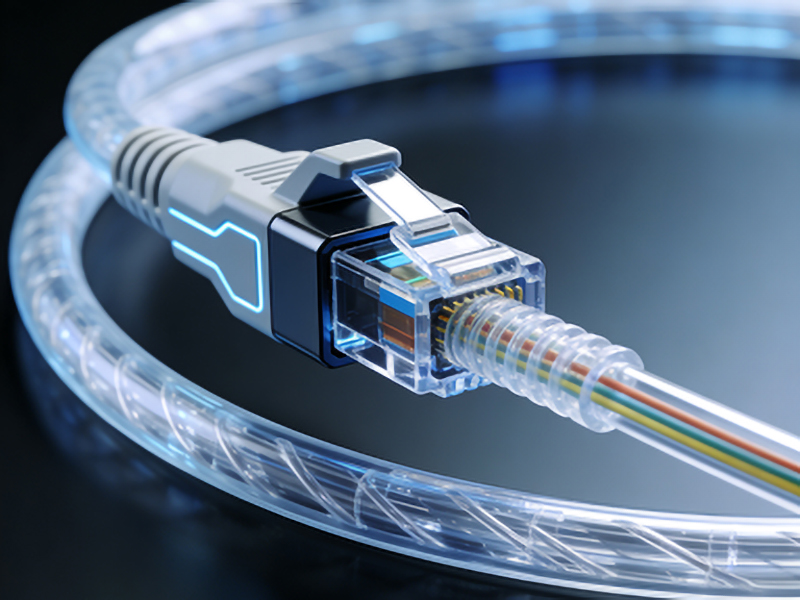
Plastic optical fiber (POF) has emerged as a revolutionary solution in the field of optical communication. Unlike traditional glass-based optical fibers, POF offers unique advantages such as flexibility, cost-effectiveness, and ease of installation. However, one of the most significant challenges in optical communication is minimizing signal interference, which can degrade data integrity and transmission speed. This article delves into interference-proof plastic optical fiber technology, its mechanisms, applications, and future potential.
What is Interference-Proof Plastic Optical Fiber?
Interference-proof plastic optical fiber (IPOF) is a specialized type of POF designed to mitigate external electromagnetic interference (EMI) and crosstalk. Traditional POFs are susceptible to signal degradation due to environmental factors such as temperature fluctuations, physical stress, and external light sources. IPOF addresses these issues through advanced material science and structural design.
Key Features of Interference-Proof Plastic Optical Fiber
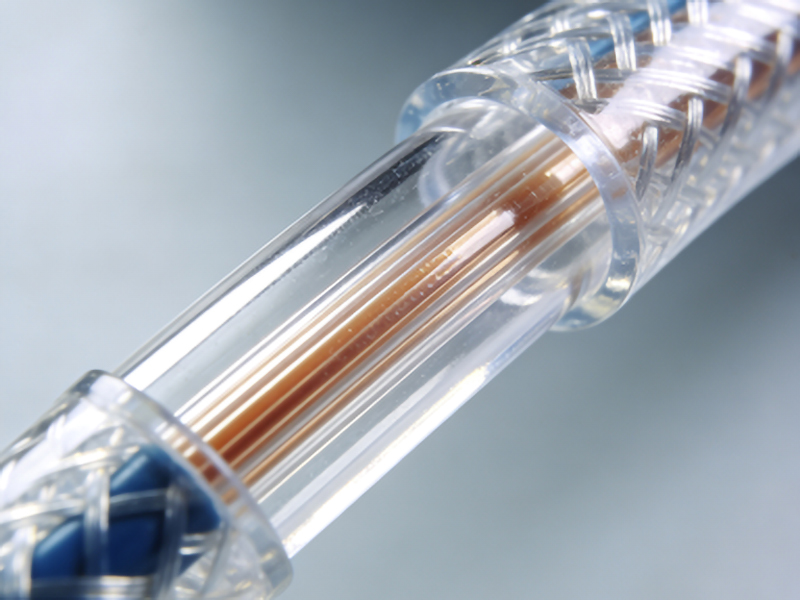
1. High Clarity Core: The core of IPOF is composed of a high-refractive-index polymer that minimizes signal loss and ensures data integrity over long distances.
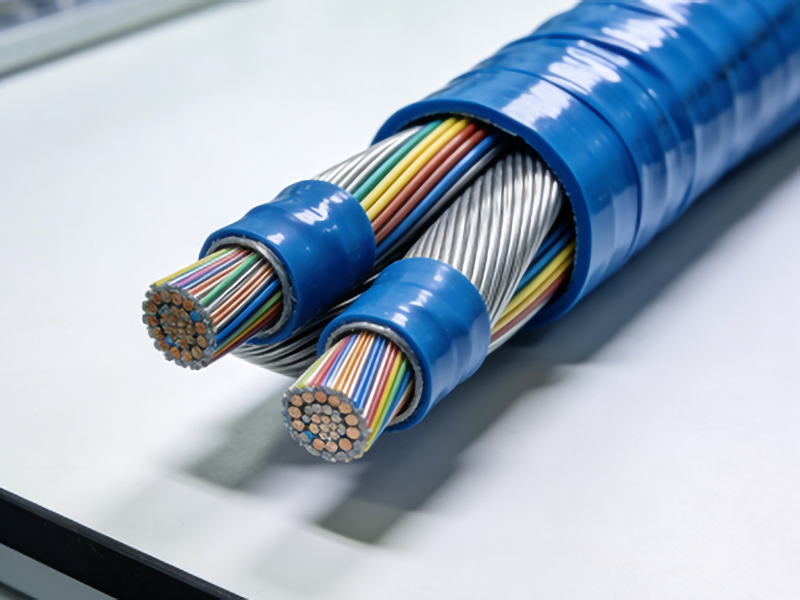
2. Robust Jacketing: Multi-layered jacketing provides mechanical protection against physical stress and environmental factors, enhancing durability.
3. Anti-Interference Shielding: Advanced shielding techniques are integrated to block external EMI and crosstalk, ensuring reliable signal transmission.
4. Temperature Resistance: The material composition of IPOF allows it to operate effectively under a wide range of temperature conditions without performance degradation.
Technical Parameters of Interference-Proof Plastic Optical Fiber
Understanding the technical specifications is crucial for selecting the right IPOF solution for your application. Below are key parameters to consider:
1. Attenuation Coefficient (dB/km)
This measures the reduction in signal strength as light travels through the fiber. A lower attenuation coefficient indicates better signal retention over distance.
– Typical Range: 0.5 dB/km to 2 dB/km
– Impact: Higher attenuation leads to increased signal loss, requiring more repeaters or amplifiers for long-distance communication.
2. Numerical Aperture (NA)
NA determines the fiber’s ability to accept light from a source. A higher NA allows for a wider acceptance angle but may increase modal dispersion.
– Typical Range: 0.4 to 0.5
– Impact: Balance between high NA for better coupling efficiency and low NA for reduced dispersion is critical in design.
3. Core Diameter (μm)
This refers to the diameter of the fiber’s core, which affects signal transmission capabilities.
– Typical Range: 50 μm to 1000 μm
– Impact: Thicker cores allow for higher power handling but may increase modal dispersion, affecting signal quality over distance.
4. Cable Jacket Thickness (mm)
Jacket thickness impacts the fiber’s durability and flexibility.
– Typical Range: 0.5 mm to 1.5 mm
– Impact: Thicker jackets offer better protection against physical damage but may limit bend radius flexibility.
Applications of Interference-Proof Plastic Optical Fiber
IPOF technology finds application in various sectors due to its robustness and interference resistance:
1. Automotive Industry
In modern vehicles, high-speed data communication is crucial for systems like infotainment, advanced driver-assistance systems (ADAS), and vehicle-to-everything (V2X) communication. IPOF ensures reliable signal transmission in environments with high electromagnetic interference.
2. Industrial Automation
Factory floors are often filled with machinery generating significant EMI. IPOF provides a secure medium for data transmission between sensors, actuators, and control systems, ensuring seamless operation and reducing downtime.
3. Medical Equipment
In healthcare settings, reliable communication is vital for medical devices such as patient monitors, imaging equipment, and surgical tools. IPOF’s resistance to interference ensures accurate data transmission without signal corruption.
4. Telecommunications
As the demand for high-speed internet grows, telecom networks require robust infrastructure. IPOF offers a cost-effective solution for last-mile connectivity, providing reliable and fast data transmission in urban environments with high electromagnetic noise.
Challenges and Future Directions
Despite its advantages, interference-proof plastic optical fiber faces some challenges:
– Signal Dispersion: Modal dispersion remains a concern, especially over longer distances. Advanced designs and materials are being explored to mitigate this issue.
– Cost Considerations: While POF is generally cost-effective, the integration of advanced shielding and jacketing can increase production costs.
Looking ahead, research is focused on improving material properties, developing more efficient manufacturing processes, and integrating smart monitoring systems for real-time performance optimization. The future of IPOF looks promising as it continues to evolve in response to the growing demands of modern communication systems.
Conclusion
Interference-proof plastic optical fiber represents a significant advancement in optical communication technology. By addressing challenges such as signal interference and environmental stress, IPOF offers a reliable and efficient solution for various applications across industries. As technology progresses, we can expect even more sophisticated versions of POF that further enhance performance and expand its applicability.