Introduction

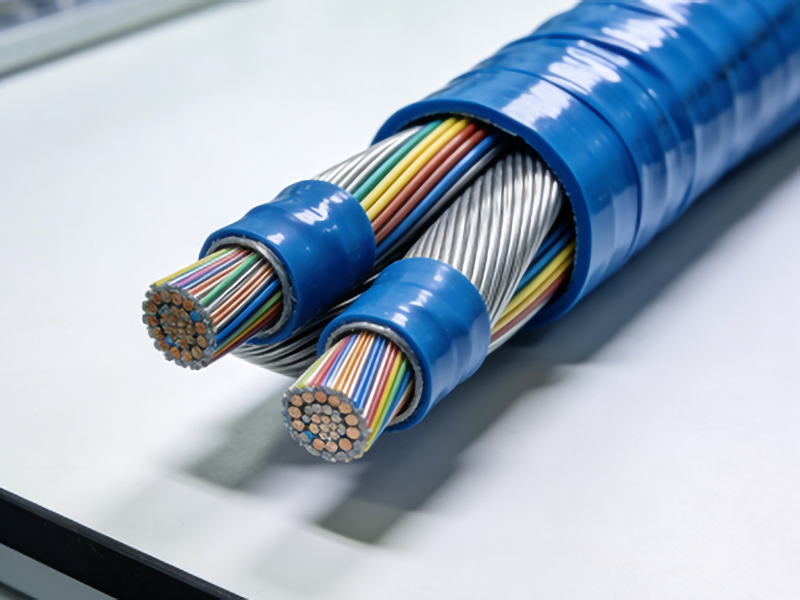
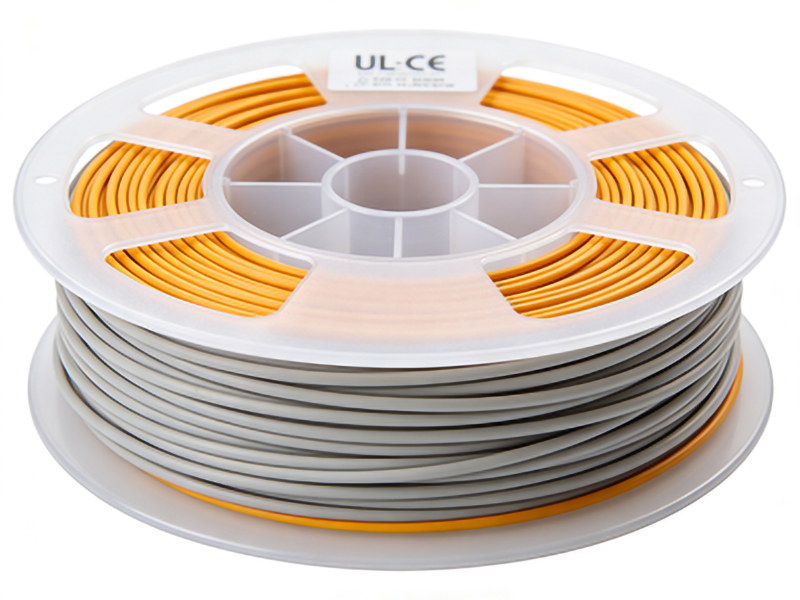
Plastic optical fiber (POF) has emerged as a cost-effective and versatile solution for various communication and sensing applications. This article delves into the specifics of UL/CE certified POF, its technical parameters, applications, and why it’s a preferred choice in many industries.
What is Plastic Optical Fiber?
Plastic optical fiber, or POF, is a type of optical fiber made from plastic materials rather than glass. Unlike traditional glass-based fibers, POF offers several advantages such as ease of installation, flexibility, and lower cost. It is widely used in short-distance communication systems, industrial automation, and consumer electronics.
UL and CE Certification: Ensuring Quality and Safety
UL Certification
Underwriters Laboratories (UL) certification ensures that the product meets stringent safety standards for performance, durability, and reliability. UL-certified POF undergoes rigorous testing to ensure compliance with electrical and mechanical specifications.
CE Marking
The CE marking indicates that the product conforms to EU directives related to health, safety, and environmental protection. This certification is mandatory for products sold in Europe and assures customers of high-quality standards.
Technical Parameters of UL/CE Certified POF
1. Core Diameter: Typically ranges from 50 µm to 2 mm, depending on the application requirements.
2. Cladding Thickness: Usually between 30 µm to 400 µm, providing protection and reducing signal loss.
3. Attenuation: The attenuation of POF is higher than glass fiber but acceptable for short-distance applications (typically 1-5 dB/km at 650 nm).
4. Numerical Aperture (NA): Ranges from 0.4 to 0.6, which affects the acceptance angle of the fiber.
5. Operating Temperature: UL/CE certified POF can operate in a wide temperature range, often from -40°C to +85°C.
Applications of UL/CE Certified Plastic Optical Fiber
1. Industrial Automation: Used for data transmission in harsh industrial environments due to its durability and flexibility.
2. Consumer Electronics: Incorporated into devices like audio systems, game consoles, and home automation systems for reliable communication.
3. Medical Devices: Employed in medical imaging and sensing applications where safety and reliability are paramount.
4. Automotive Industry: Utilized for data transmission within vehicles, enhancing connectivity between different subsystems.
5. Sensing Applications: Applied in temperature, pressure, and strain sensors due to its ability to detect subtle changes in light intensity.
Benefits of UL/CE Certified POF
1. Cost-Effective: Lower production costs compared to glass fibers make POF an economical choice for many applications.
2. Ease of Use: Flexible and easy to install, requiring minimal technical expertise.
3. Durability: Resistant to environmental factors such as moisture and temperature fluctuations.
4. High Data Rate: Capable of supporting high-speed data transmission suitable for modern communication needs.
5. Compliance Assurance: UL/CE certifications guarantee adherence to international safety and quality standards.
Challenges and Considerations
While POF offers numerous advantages, there are some considerations:
1. Higher Attenuation: Compared to glass fibers, POF has higher signal loss over longer distances.
2. Limited Bandwidth: Suitable for short-distance applications due to limited bandwidth capabilities.
3. Temperature Limitations: While UL/CE certified POF can operate in a wide temperature range, extreme conditions may affect performance.
Conclusion
UL/CE certified plastic optical fiber is a robust and reliable solution for various communication and sensing needs. Its cost-effectiveness, ease of use, and compliance with international standards make it an ideal choice across multiple industries. As technology advances, POF continues to play a significant role in the development of next-generation communication systems.