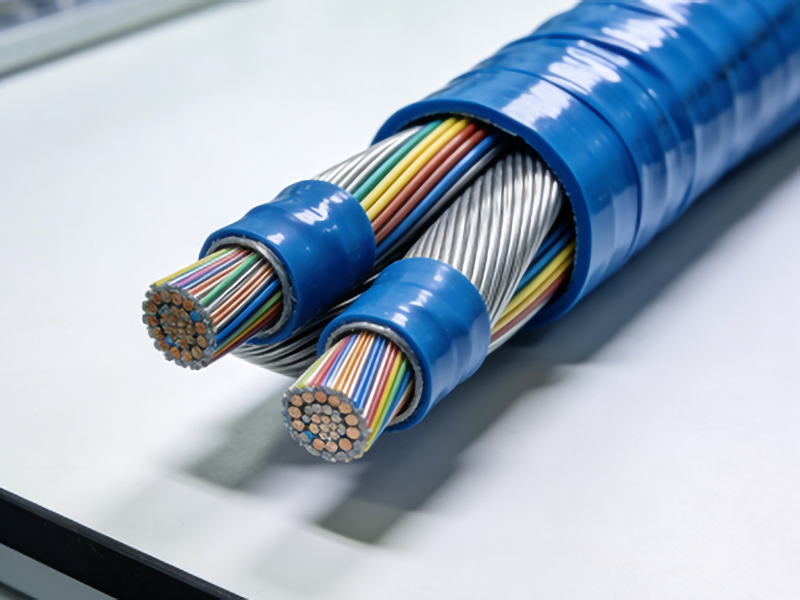

Introduction
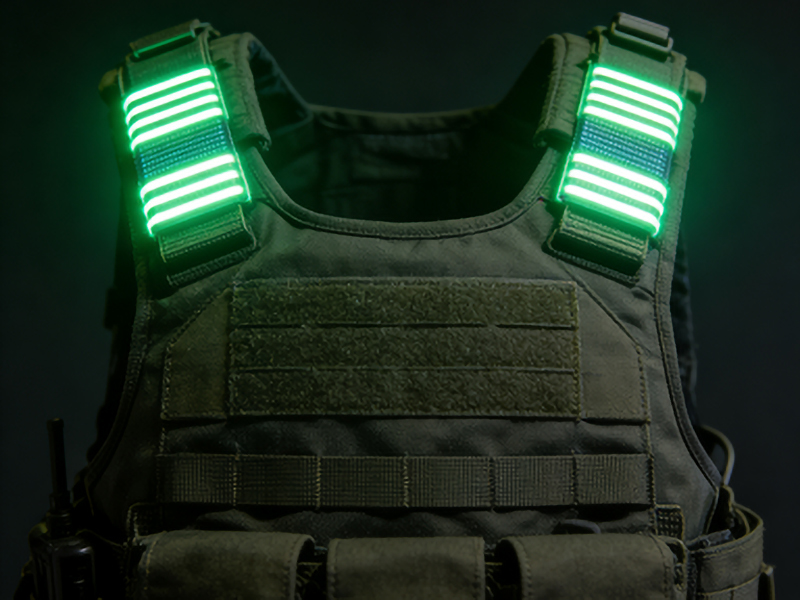
Plastic Optical Fiber (POF) is revolutionizing the way modern militaries handle communication systems. This article delves into the application of POF in military equipment, highlighting its benefits, challenges, and future potential.
What is Plastic Optical Fiber?
Plastic Optical Fiber (POF), also known as Polymer Optical Fiber, uses plastic as the core material for light transmission. Unlike traditional glass fibers, POF offers unique advantages such as flexibility, durability, and ease of use.
Advantages of POF in Military Applications
1. Lightweight and Flexible
POF is significantly lighter than glass fiber, making it ideal for portable military equipment. Its flexibility allows easy installation in rugged environments without the risk of breakage.
2. Cost-Effective Solution
Compared to glass optical fibers, POF is more affordable due to its simpler manufacturing process and lower material costs.
3. Enhanced Connectivity
POF supports high-speed data transmission, crucial for real-time communication in tactical networks. It ensures reliable connectivity even in harsh conditions, such as extreme temperatures or electromagnetic interference (EMI).
Technical Specifications of POF
– Core Diameter: Typically ranges from 1mm to 3mm, enabling efficient light propagation.
– Cladding Layer: Made of a polymer material with a lower refractive index than the core, ensuring total internal reflection for data transmission.
– Transmission Distance: Up to several kilometers, suitable for both short-range and long-range communication needs.
Challenges in Implementing POF
1. Signal Loss Over Distance
Due to higher attenuation compared to glass fibers, signal strength diminishes over longer distances, requiring repeaters or amplifiers.
2. Susceptibility to EMI
POF is more prone to electromagnetic interference, which can degrade signal quality in environments with high EMI levels.
Case Studies and Applications
Tactical Communication Systems
POF has been successfully integrated into tactical communication systems, providing soldiers with secure and reliable data transmission on the battlefield.
Aircraft and Vehicle Integration
In military vehicles and aircraft, POF is used for internal communication networks, reducing weight while maintaining high-speed data transfer capabilities.
Future Trends in Military POF Technology
– Development of High-Speed POF: Research is ongoing to enhance data transmission speeds without significant signal loss.
– Improved EMI Resistance: Innovations are focused on creating POF with better resistance to electromagnetic interference for more robust communication systems.
Conclusion
Plastic Optical Fiber presents a promising solution for modernizing military communication systems. Its lightweight, flexibility, and cost-effectiveness make it an ideal choice for various defense applications. As technology advances, POF will likely play an even greater role in ensuring secure and reliable connectivity in military operations.